
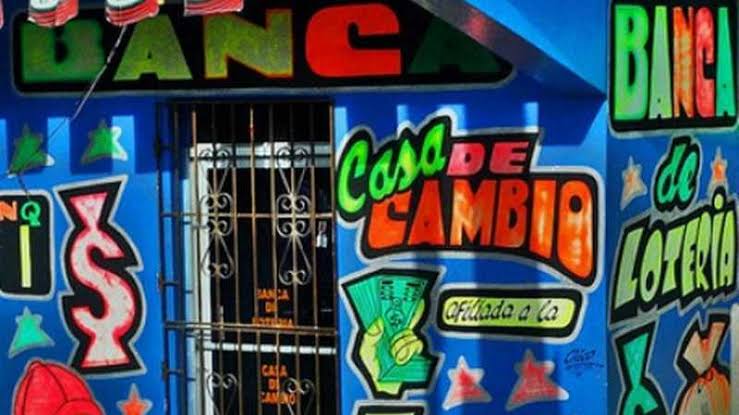
Santo Domingo.– The bill regulating gambling in the Dominican Republic, approved with modifications by the Chamber of Deputies and returned to the Senate for review, toughens the sanction regime against illegal betting operations, establishing penalties of up to 10 years in prison for the most serious offenses.
The initiative, drafted by the Executive Branch, creates a regulatory framework to oversee gambling activity and combat the operation of clandestine betting shops and raffles, a practice that authorities consider a source of tax evasion and unfair competition.
You might be interested in: Fenapadres rejects bill that would relax restrictions for betting shops and horse racing agencies
Among the main provisions is a tiered penalty system for those who operate raffles and gambling games without authorization.
The proposal establishes prison sentences of one to two years for those who operate gambling games without the corresponding license or outside of the places authorized by law. The same penalty would apply to those who market products related to betting pools or lotteries through unregulated channels.

Penalties increase from two to five years in prison for those who engage in the street sale of raffles or market lottery terminals and other games of chance in physical establishments that operate without authorization.
The most severe penalties, ranging from five to ten years in prison, will be imposed on those who alter or manipulate betting results, as well as in cases where front men are used to conceal the true beneficiary of a license for the purpose of defrauding the State.

New regulatory authority
The project also provides for the creation of the General Directorate of Gambling (DGJA), an autonomous and decentralized body attached to the Ministry of Finance, which will be responsible for regulating, supervising, and overseeing all activities linked to the sector.
More Read

The entity will be directed by a Board of Directors headed by the Minister of Finance and composed, among other officials, of the ministers of Tourism, Interior and Police, in addition to the Director General of Internal Taxes.
Operating restrictions
As part of the regulatory measures, the initiative prohibits the installation of gambling establishments within 500 meters of schools, colleges, universities, churches, hospitals, health centers, police stations, and military facilities.
Likewise, it strengthens user protection measures by prohibiting access for those under 18 years of age to physical betting establishments and digital platforms.
The project also contemplates the creation of a self-exclusion registry for people with gambling problems, requires establishments to place visible clocks so that players remain aware of the time elapsed, and restricts advertising aimed at minors or that which links gambling with social benefits.
After being approved with modifications by the Chamber of Deputies, the bill was returned to the Senate of the Republic to review the changes introduced before completing the legislative process.