Nopal and extra virgin olive oil may help support blood sugar control by stimulating the body’s natural production of GLP-1, a hormone released in the intestine in response to nutrients during eating, according to Dr. Gerardo Ochoa Anaya and health coach Karen González-Lamb.
Extra virgin olive oil contains polyphenols, including oleocanthal, as well as oleic acid. The specialists cited in the article associate these compounds with effects on insulin resistance and GLP-1 production. They also emphasize that extra virgin olive oil should be used to preserve its active polyphenols and warn that these foods should not be used as a reason to stop prescribed medications without medical advice.

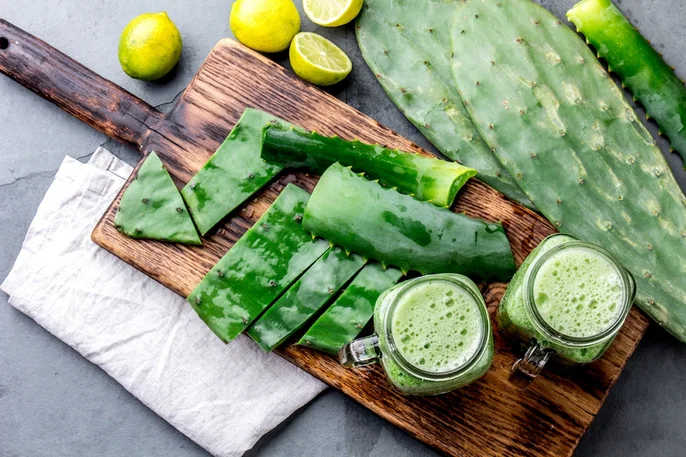
Nopal contains mucilage, a soluble and viscous type of fiber that can form a gel and slow the absorption of glucose. Once fermented by intestinal bacteria, this fiber may also stimulate GLP-1 production. The article cites studies reporting reductions of 20% to 30% in post-meal blood glucose among people with type 2 diabetes who consistently include nopal in their meals.
The studies referenced in the article use between 100 and 150 grams of cooked nopal per day. The article also notes that changes in blood glucose may appear progressively over several weeks, while changes in glycated hemoglobin may take two to three months.