

Santo Domingo.– The decision of the Chamber of Deputies to open a discussion process to evaluate possible modifications to the new Penal Code, before it enters into force, once again brings to the forefront a proposal that the Dominican Liberation Party (PLD) had formulated weeks ago regarding the need to review the provisions that affect freedom of expression and other fundamental rights.
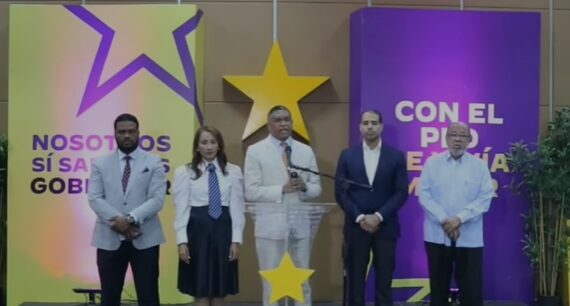
On June 22, during his weekly press conference, the vice president of the PLD, Yván Lorenzo, stated the organization’s official position by warning that several articles of the new legislation needed to be modified to prevent them from being used as mechanisms to restrict freedom of the press, the right to information, and the exercise of citizen criticism.
In that appearance, Lorenzo was accompanied by Zoraima Cuello, vice president of the PLD; José Dantés, head of the Legal Affairs Secretariat and member of the Political Committee; Héctor Olivo, Secretary of Communications; and Joselito Féliz, deputy secretary general, director of Digital Communication and Public Relations.
On that occasion, the PLD leader maintained that it was essential to adapt the Penal Code to constitutional principles and the jurisprudence of the Constitutional Court, ensuring that no provision could become an instrument to limit public liberties.

We recommend reading: PLD presidential hopeful, Manfred Mata, confirms participation in Codessd’s RD Debates
As part of that position, the PLD proposed that the Organic Law on Freedom of Expression and Audiovisual Media bill, which subsequently expired in the Senate of the Republic, be submitted to a broad discussion process within the Economic and Social Council (CES), with the participation of journalists, media outlets, legal experts, academics, and civil society organizations, before being considered again by the National Congress.
Likewise, he proposed that, before the new Penal Code comes into force, a reform of articles 208 to 213 and the provisions related to the so-called “outrage to officials” be promoted, with the purpose of harmonizing them with the Constitution and eliminating any possibility of imposing custodial sentences for expressions protected by the right to free expression.
Within its proposals, the political organization had also requested a review of Law 1-26, which creates the National Intelligence Directorate (DNI), especially regarding aspects related to the protection of journalistic sources, professional secrecy, and the guarantees of fundamental rights.
During that appearance, Lorenzo stated that “one cannot play with the professional secrecy of journalists,” considering that the protection of sources constitutes an indispensable guarantee for the free and independent exercise of journalism.

The PLD maintained then that the Dominican Republic has consolidated important democratic achievements that must be preserved and strengthened, insisting that freedom of expression, freedom of the press, and the right of citizens to oversee public officials are fundamental rights protected by the Constitution and essential pillars of the democratic system.
The organization also reaffirmed its support for responsible journalistic practice, both in traditional media and on digital platforms, as well as the right of citizens to make reports of public interest.
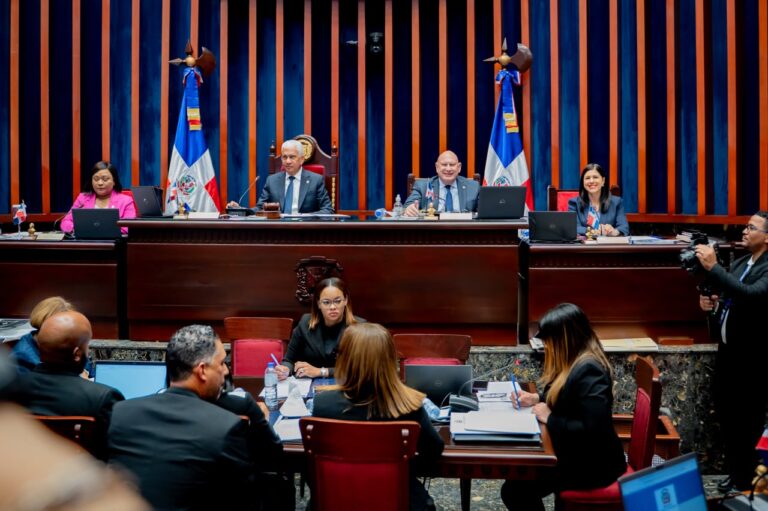
The proposals made by the PLD now take on renewed relevance, after the President of the Chamber of Deputies, Alfredo Pacheco, announced the opening of a process to evaluate modifications to the new Penal Code before its final enactment, particularly regarding aspects linked to freedom of expression and other constitutional guarantees, a discussion that coincides with the observations that the main opposition party had previously presented regarding that legislation.