“n
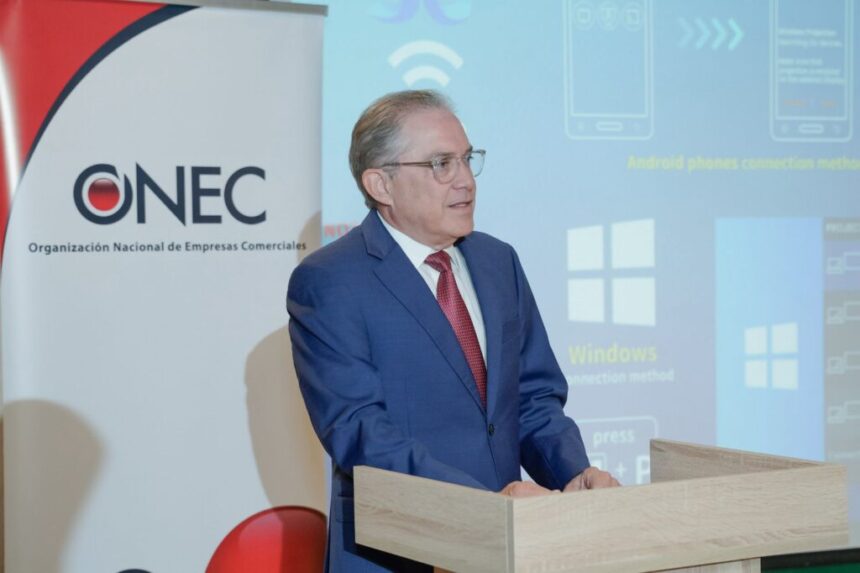
The National Organization of Commercial Enterprises (ONEC) expressed its concern regarding the new amendment introduced to the reform bill of Law No. 225-20, General Law on Integral Management and Co-processing of Solid Waste, approved this Monday by the Senate of the Republic.
n” “nThe contribution regime provided for in Article 36 has been modified again by Congress just months after the enactment of Law 98-25, maintaining a scenario of uncertainty for taxpayers.
n” “nFor the ONEC, beyond the adjustments made to the scale of contributions, there is concern regarding the precedent set by repeatedly modifying a high-economic-impact regulation through emergency procedures and with limited space for technical analysis and the participation of the involved sectors.
n” “n“Trade needs clear, stable, and predictable rules. Financial planning, investments, and regulatory compliance cannot depend on successive changes approved in a matter of days,” the organization pointed out.
More Read


The entity recalled that the reform was approved by the Senate just days before the due date of the first semi-annual payment of the special contribution established for June 30. Subsequently, the Chamber of Deputies introduced new modifications, including changes to the contribution scales, a transitional regime for the 2025 fiscal year, and an exceptional extension of payment deadlines for companies that had not yet made the contribution.
n” “nThe organization reiterated that it supports efforts aimed at strengthening comprehensive solid waste management and recognizes the importance of providing the country with financing mechanisms to address this environmental challenge. However, it insisted that legislative changes must be based on technical analyses, broad consultation processes, and stable rules that provide certainty to both the State and taxpayers.
n” “nLikewise, the ONEC supported the call made by various business associations for reforms of this nature to be discussed through transparent, participatory, and sufficiently deliberated processes, guaranteeing a balance between the environmental objectives of the legislation and the legal certainty necessary for the development of formal economic activity.