


Santo Domingo.– The Directorate of Extra-hospital Emergency Care Services (DAEH) reported that between January and June 2026, it carried out 5,268 inter-hospital transfers of newborns and infants across the country, as part of the actions aimed at strengthening specialized medical care and contributing to the reduction of neonatal and infant mortality.
The director of the institution, Juan Manuel Méndez García, explained that this program seeks to ensure that pediatric patients receive timely and safe care when they need to be transferred from one health center to another.
“Each transfer represents an opportunity to preserve a life. We continue to strengthen our services to offer an efficient and quality response to those who need it most,” the official expressed.
Of the total transfers carried out in the first six months of the year, 1,567 corresponded to neonates up to 28 days old, while 3,701 were children aged between 29 days and 12 years.

The DAEH noted that these transfers represented 12.1% of the total inter-hospital transfers carried out by the institution during that period.
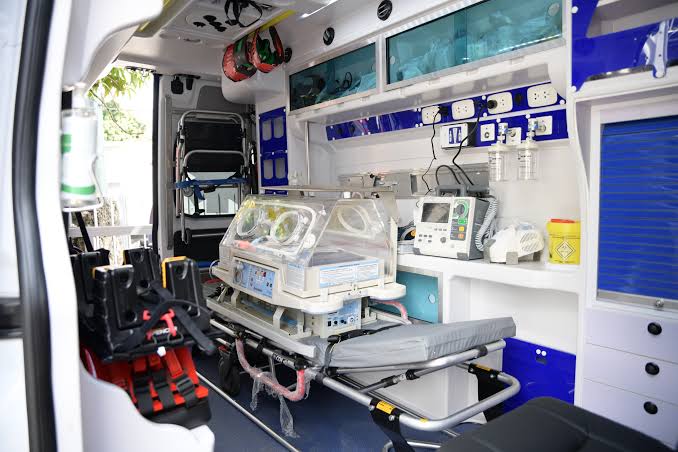
To provide this service, the entity has ambulances equipped with incubators, ventilators, and other specialized equipment, in addition to personnel trained to assist pediatric patients during transport, following care and safety protocols.
We recommend reading:
Méndez García reiterated that the service is offered free of charge in the country’s 31 provinces, with the purpose of ensuring that newborns and infants receive specialized care regardless of the distance or the place where they are located.

Likewise, he highlighted that the Safe Neonatal Transport program continues to consolidate itself as a key tool to improve pediatric emergency care and support national efforts to reduce infant mortality.
The institution reported that during the same period in 2025, 650 neonatal transfers were carried out, so the increase recorded in 2026 reflects the expansion of the service’s coverage and operational capacity.