

Santo Domingo.- A total of 293 people received medical assistance during the XXV Central American and Caribbean Games Santo Domingo 2026, of which 175 had to be transferred to health centers, according to the report from the Directorate of Extra-hospital Emergency Care Services (DAEH) upon concluding the coverage of the event.
The assistance was provided between July 24 and August 8, including the opening and closing ceremonies, as part of the medical response mechanism deployed by the institution at the various venues and sub-venues of the sporting event.
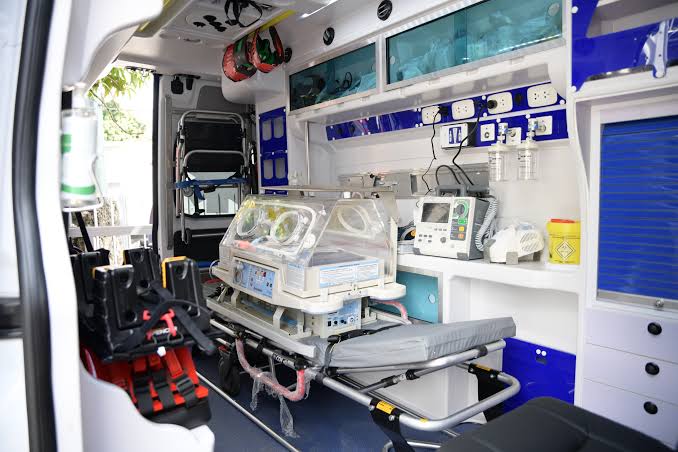
To ensure care during the competitions, the DAEH mobilized 70 ambulances and around 300 collaborators, including medical personnel, medical transport technicians, and technical and operational staff, with teams strategically distributed to reduce response times to any eventuality.
The director of the DAEH, Juan Manuel Méndez García, valued the staff’s performance and highlighted that the planning allowed for maintaining an active out-of-hospital response during the 16 days of sports competitions.

“Beyond the figures, this operation represents the ability of our teams to respond in a coordinated manner to the needs that arise in events of this magnitude. We kept resources available at the venues and acted whenever a situation required attention or transport,” stated Méndez García.
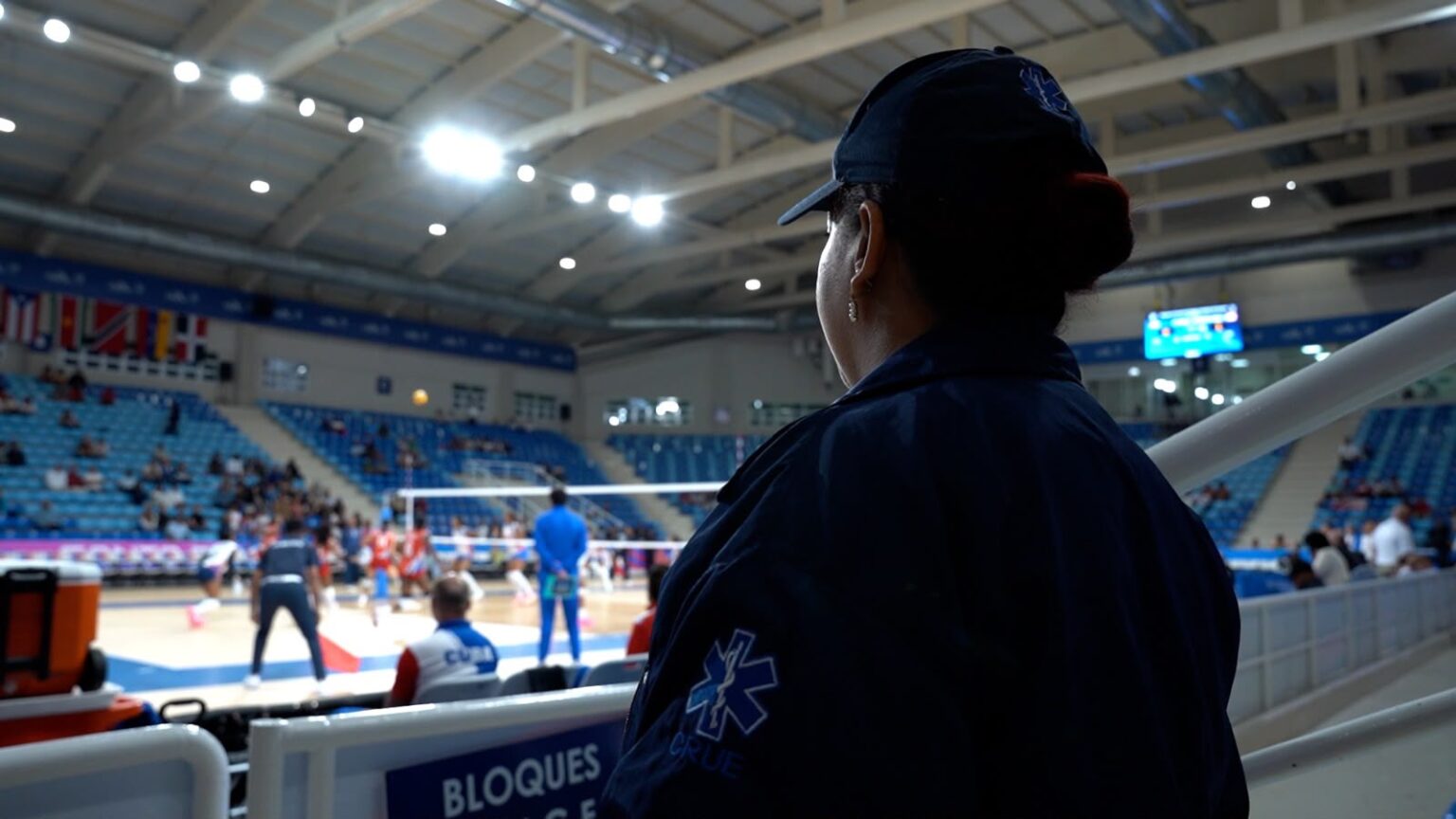
The device included medical emergency care directly at the sports venues, as well as patient stabilization and their transfer to healthcare centers when the clinical condition warranted it.
Among the protocols covered were cardiopulmonary resuscitation (CPR), triage for multiple-casualty incidents, the management of dehydration and heat-related illnesses, as well as the care of glycemic disorders and other emergencies linked to the sports environment.
The head of the DAEH’s Out-of-Hospital Management Department, Dr. Ruddy de Gracia, explained that the diversity of scenarios and the concentration of athletes, delegations, and spectators required maintaining permanent coordination among the deployed teams.

“The experience of these Games allowed us to demonstrate that an effective response does not depend solely on having ambulances available, but on having prepared personnel, defined protocols, and constant coordination to decide when to assist on-site and when to transport the patient,” stated De Gracia.
The coverage involved teams from the different regions of the country. For operational coordination, managers were designated for Santo Domingo and the Eastern Region, the Southern Region, and the Cibao, while the Regulatory Center for Urgencies and Emergencies (CRUE) coordinated the out-of-hospital medical response.
With the closing of the regional competition, the DAEH concluded an operation that maintained medical response capacity at the sports venues for more than two weeks.