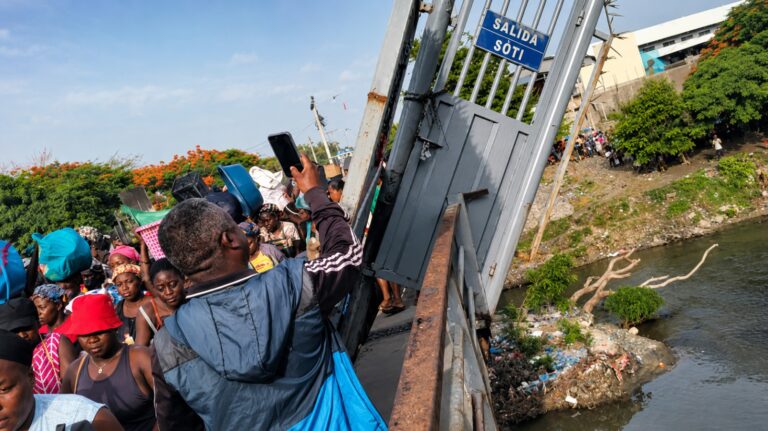

Illegal arms trafficking on the border between Colombia and Venezuela generates regional concern

9:25 am
The border between Colombia and Venezuela, which stretches for more than 2,200 kilometers, continues to be a critical scenario for the illegal arms trade, a dynamic that strengthens armed groups and criminal networks operating on both sides of the binational border.
According to security analyses, the porosity of the border and the historical presence of illegal armed organizations have facilitated the flow of weaponry, ammunition, and other war elements. These networks use unofficial crossings and clandestine routes to supply structures dedicated to drug trafficking, extortion, and other illicit economies.
Groups such as the National Liberation Army (ELN) and armed dissidents have been identified as some of the main beneficiaries of this black market, which contributes to the prolongation of violence in regions such as Catatumbo and Táchira state. The exchange of weapons for drugs and cash remains one of the most used modalities.
You can also read: Edmundo González analyzes with Felipe González the democratic transition in Venezuela
The situation has been aggravated by recent political tensions and military operations in the region, which have generated realignments among armed actors and a greater risk for border communities, affected by clashes, displacement, and threats to security. Faced with this situation, analysts insist on the need to strengthen border controls, improve regional cooperation, and prioritize comprehensive strategies that combine security, state presence, and social care, in order to weaken arms trafficking networks and reduce their impact on regional stability.
Periodista, amante de los deportes.


#Most read
- 1.Armed men attack U.S.-flagged vessel in Haiti’s Port-au-Prince Bay
- 2.Solange Omon, from Cameroon, is chosen as the new Victoria’s Secret angel
- 3.VIDEO: Tourists stranded with suitcases amid violent protests in Paris
- 4.Now in Italy! Riots erupt in Milan as protesters loot stores and clash with police
- 5.5D Cinema in Japan surprises the world with an immersive experience that goes viral
- 6.LATAM plane’s wing catches fire before takeoff at Peru airport
- 7.VIDEO: Witnesses say man prayed and bowed to tiger before fatal zoo attack in England
- 8.VIDEO: iPhones and luxury perfumes float in the Strait of Hormuz after cargo ship sinks
- 9.Iguazú Falls surge forces closure of Devil’s Throat walkway in Brazil
- 10.Leonardo DiCaprio’s “dad bod” sparks discussion about belly fat and health risks

Newsletter
Subscribe to our newsletter to receive our latest articles instantly!