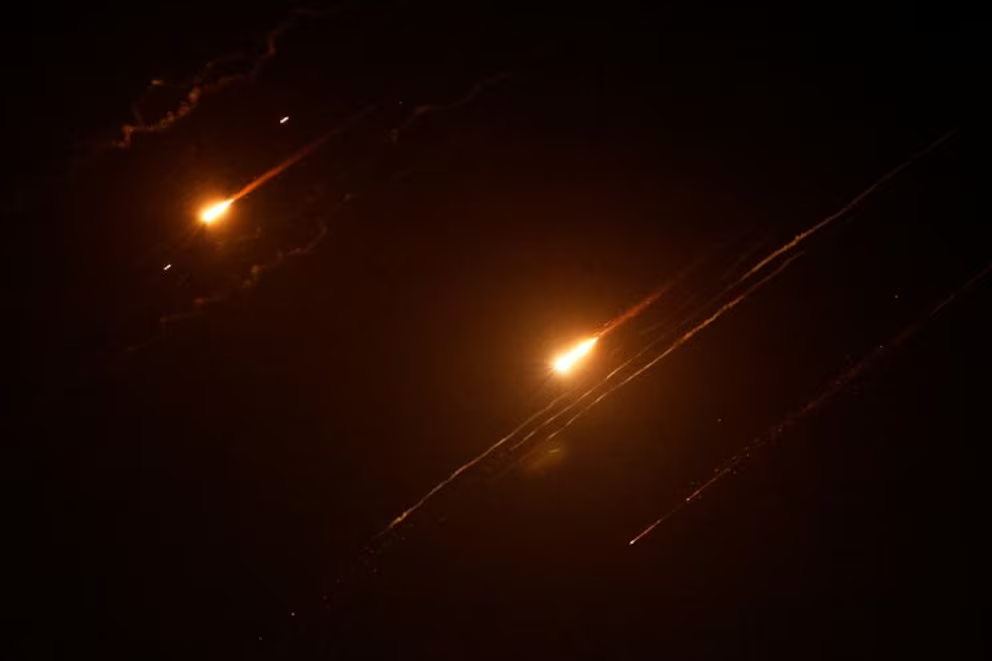


Iran’s Revolutionary Guard declared this Saturday that it attacked “enemy bases” in the Persian Gulf, in response to U.S. bombings on radar sites in Iranian territory. Kuwait and Bahrain sounded their alarms due to the new hostilities from the Islamic republic during the early hours and urged the population to take shelter.
According to the state broadcaster IRIB, the Iranian military body stated that “following the invasion by the US military, responsible for the murder of children and terrorist acts, of the islands of Sirik and Qeshm, enemy bases in the region were attacked with aerial missiles.”
The Kuwaiti Armed Forces intercepted and shot down a new wave of missiles and drones of Iranian origin launched against their territory, according to an official statement from military authorities. The Kuwaiti Army General Staff explained to the public that the “loud explosions” heard in different sectors of the capital and its surroundings were due to the neutralization maneuvers of the attacks.
“Kuwait’s air defenses have shot down enemy missiles and drones this morning. The Army General Staff has reported that if explosions are heard, they are due to air defenses intercepting enemy attacks. The entire population is requested to follow the safety and protection instructions issued by the competent authorities,” the armed forces reported in their statement.

We recommend reading:
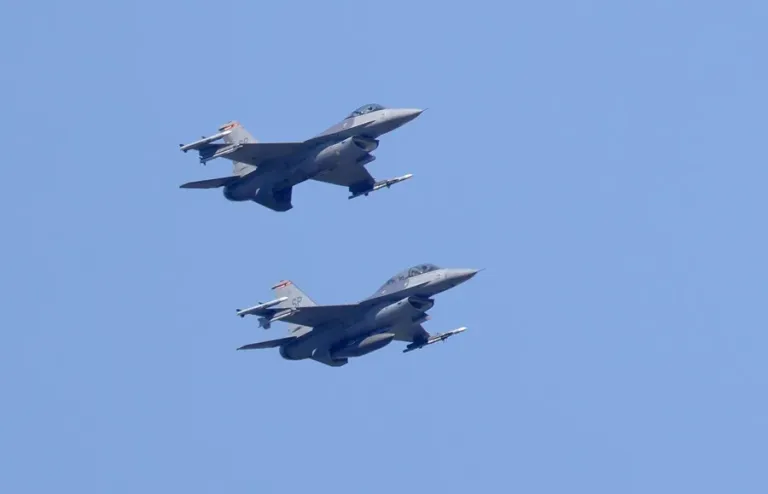
The US destroyed four Iranian drones heading to the Strait of Hormuz and bombed two Iranian radar stations
The authorities urged the population to remain calm and to strictly comply with the safety guidelines issued, as long as the state of alert persists, as reiterated by the Kuwaiti Army.
In addition, the Revolutionary Guard had claimed responsibility for the launch of “missiles and drones” against the headquarters of the United States Navy’s Fifth Fleet located in Bahrain, as well as against other air bases in the Middle East and a US-flagged vessel.

For its part, in a statement published on X, the United States Central Command (CENTCOM) reported that it intercepted six of the ballistic missiles launched by Iran and that the seventh “did not reach its intended target”.
“There are currently no reports of harm to U.S. personnel, and Iranian claims that the U.S. Fifth Fleet headquarters in Bahrain has been damaged are false,” the statement reads.
These incidents were recorded a few days after Kuwait formally accused Iran of projectiles falling at one of its airports. In response, Tehran denied its involvement and attributed the episode to “technical failures” in the ‘Patriot’ interceptor missiles provided by the United States. The images show the moment of a drone impact at Kuwait International Airport. A flying object is visible in the sky before a large column of dark smoke rises over an airport structure. Subsequent shots reveal the interior of a building filled with smoke and charred debris on the floor, indicating material damage following the event. This video is coverage of an event.
Amidst the crossfire, it was announced from Washington that the United States authorized the sale of anti-drone defense systems to Kuwait for a value close to USD 2 billion. The State Department’s statement arrived on Friday and details that the acquisition includes technology developed by the arms company Anduril, founded by a supporter of President Donald Trump.

“This proposed sale will support the foreign policy and national security objectives of the United States by improving the security of a major non-NATO ally, which has been a key force for political stability and economic progress in the Middle East”, the official statement noted.
Kuwait faces repeated drone and missile attacks, several of them attributed to Iran. At the beginning of the week, a drone attack against the Kuwaiti international airport caused the death of one person. The defense sale operation seeks to strengthen the country’s capacity to protect its critical infrastructure and respond to threats in the context of growing regional tension.