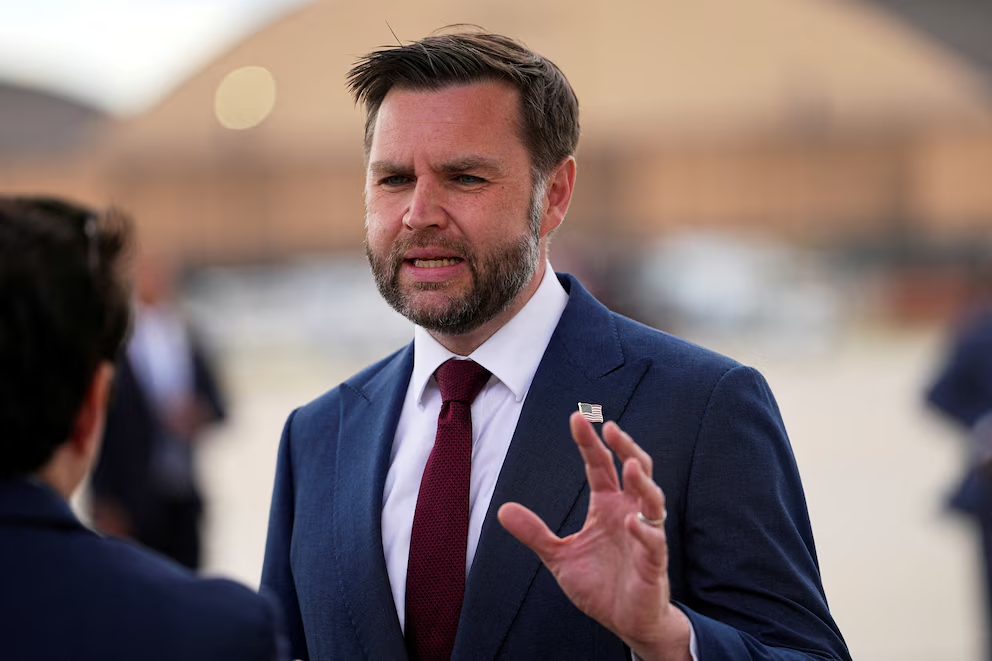
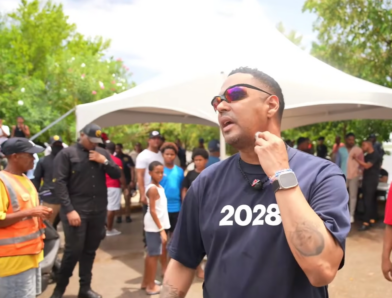
The Vice President of the United States, J.D. Vance, asserted that the agreement reached between Washington and Tehran to end the war that began in February has a regional scope and is not limited solely to the bilateral relationship between both countries.
During an interview with journalist Megyn Kelly, the official stated that the understanding seeks to contribute to the stability of the Middle East. “It is a regional peace agreement. It will include the Gulf countries, Israel, and Lebanon,” he expressed.
Vance rejected criticism regarding potential unconditional economic relief for Iran and maintained that any benefit will depend on Tehran’s fulfillment of specific commitments.
“If Iran funds Hezbollah, we will not allow a large amount of unfrozen assets to reach Iranian hands”, warned the US Vice President.
We recommend reading: JD Vance rules out releasing Iranian funds without verification of the nuclear program
As explained, the logic of the agreement consists of offering economic incentives only if the Iranian regime modifies behaviors that Washington considers destabilizing for the region.
More Read

When referring to potential foreign investments in Iran, Vance was emphatic in pointing out: “Are the Emiratis going to invest in Iran, or is the United States going to allow the Emiratis to invest in Iran? Unless the Iranians change their behavior? No“.
The vice president also stated that one of the central objectives of the agreement is to prevent Iran from developing nuclear weapons again. “Our plan under this agreement is for the Iranians to receive benefits as long as they dismantle that nuclear weapons program”, he maintained.
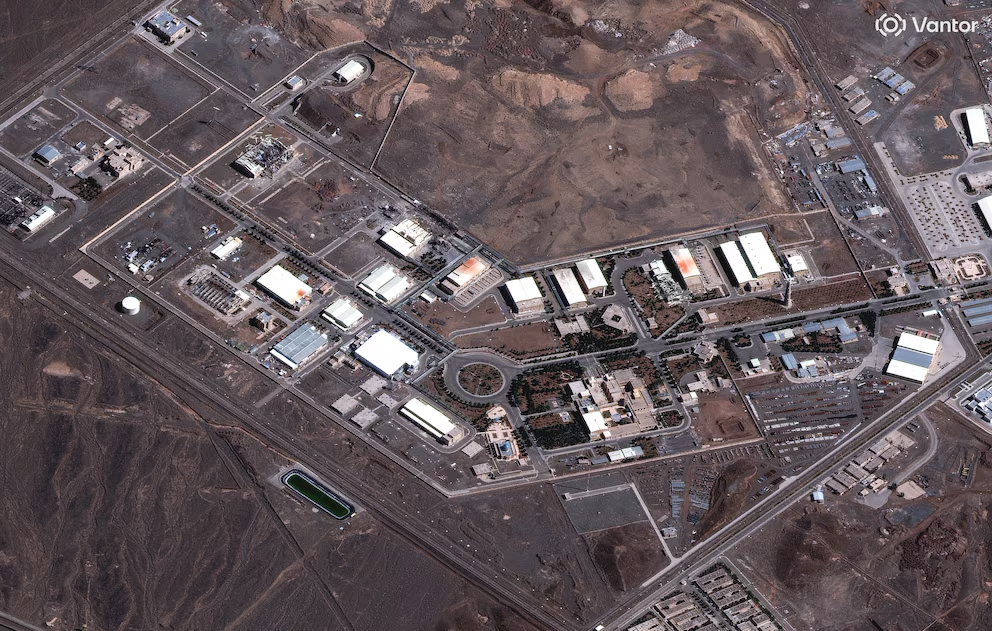
Likewise, he announced that future negotiations will include international supervision mechanisms. “Inspection and verification will be on the table,” he indicated when referring to the controls planned to guarantee compliance with the commitments.
More Read

Vance asserted that Washington’s policy will not be based on promises, but on concrete results. “I don’t believe them. I don’t trust what anyone says. I trust what they do,” he stated, adding that “as they do more, they will receive more; if they do less, they will receive less.”
Vance defended the agreement against comparisons to the nuclear deal promoted during Barack Obama’s administration and asserted that the new understanding has greater regional support. “We have a real opportunity here“, he stated, although he warned that the success of the process will depend on Iran complying with the agreed terms.