You can also read: Joel Santos highlights that the energy sector captures more than 20% of foreign investment in the Dominican Republic
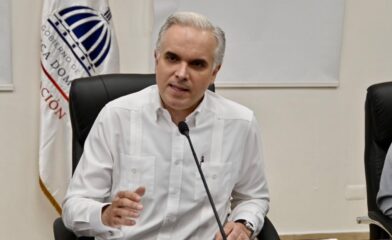
The minister said that this project is part of a broader strategy of diversifying the energy matrix through the use of natural gas, which allows reducing vulnerabilities and increasing the resilience of the system.Santos also highlighted that the work includes 128 kilometers of 345 kV transmission line, which will not only facilitate the distribution of the generated energy, but will also allow the integration of other thermal and renewable sources into the system, responding to a growing demand. In his speech, he referred to the impact of geopolitical conflicts, especially in the Middle East, noting that the volatility of energy markets “is not a hypothesis, it is a reality”, which is why the country has chosen to anticipate risks by strengthening its energy infrastructure. The official revealed that in 2025, 1,138 megawatts were added to the electrical system with an investment exceeding 1.5 billion dollars, achieving a balance between renewable energies and efficient thermal generation. Likewise, he announced the operational launch of new projects in the coming years, such as the expansion of San Pedro Bioenergy in 2026, as well as San Felipe I in 2027 and Manzanillo I and II in 2028, along with other initiatives that will add additional capacity to the system. Santos indicated that these plans also include the incorporation of 1,000 megawatts of renewable energy before 2028, in addition to battery and pumped hydro storage projects and the repowering of hydroelectric plants.“That word must be said many times, because it represents this project: resilience,” he affirmed.
Finally, the minister valued the constant monitoring of major energy projects and acknowledged the support of President Luis Abinader, as well as the joint work of the public and private sectors to ensure the sustainability of the national electricity system.“The goal is not only to meet current demand, but to leave an energy legacy that drives the country’s economic growth beyond 2036,” he pointed out.