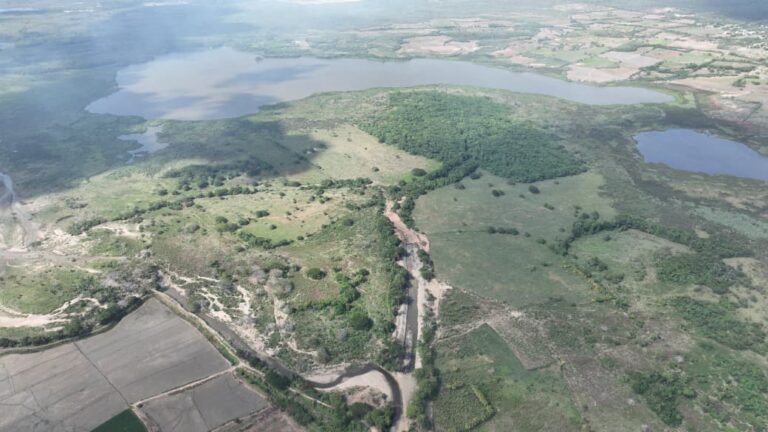

Producing food for 10.7 million residents, for more than 11.6 million visitors, and for export to a neighboring country with low production and high demand like Haiti, as well as to other countries to generate foreign currency, on just 11 million [units of] arable land, is the main agricultural challenge for the Dominican Republic.
And all that demand for product production must be met on the 693,681 cultivable hectares, which represents about 20% to 23% of the country’s total surface area, according to reports from the National Statistics Office (ONE).
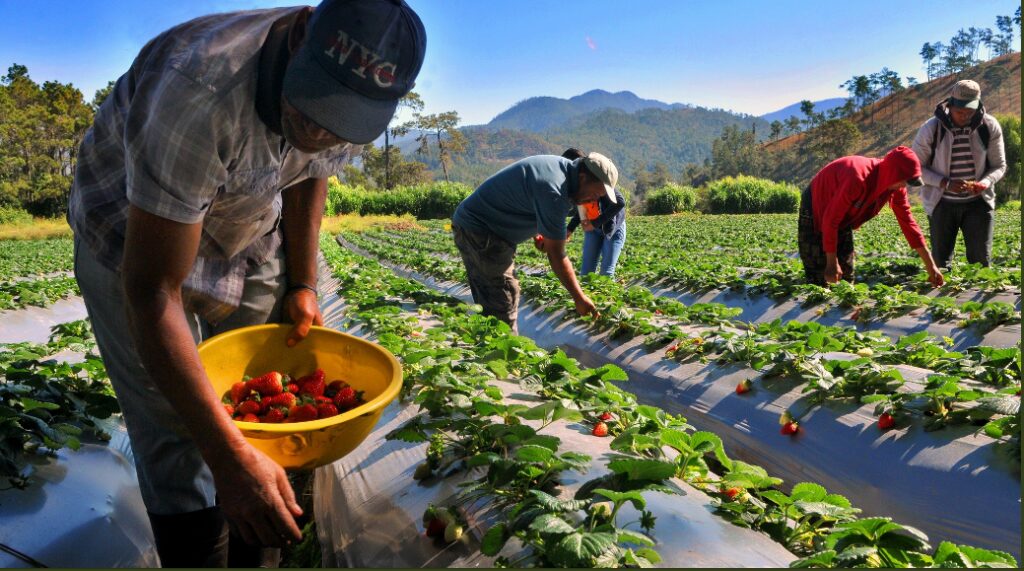
This challenge can only be overcome with the mechanization of Dominican agricultural production, which is not yet industrialized and remains reliant on rudimentary methods that are inefficient and unfriendly to the environment.
A farm of approximately 2,000 “tareas,” with the proper machinery, can be cultivated by two people. Contrary to the 50-60 people it would require using the traditional method.

This would be a less expensive production and therefore a cheaper product available in the markets (competitiveness).
Likewise, the use of water through irrigation systems would mitigate the risks associated with periods of drought.
Likewise, the spreading of fertilizers and pesticides using smart drones and geolocation would save costs and losses due to poor coverage, or conversely, excessive coverage of these chemicals on the plant, something very common when done with manual pumps by humans, who do not accurately calculate the area already covered or not covered.
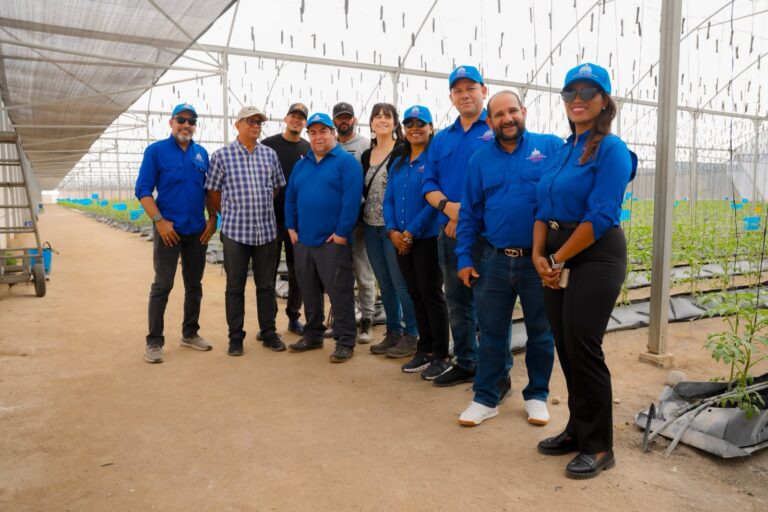
Aware of this reality, the Government, through the Ministry of Agriculture, is promoting a National Mechanization Program as a strategy to modernize national production through machinery, technology, and innovation.

In addition to being a strategic issue for food security, it is also of importance to the Dominican economy, as the sector contributes 5.6% of the Gross Domestic Product (GDP), generates 8.8% of national employment, and represents 11.8% of the country’s exports.