


Panama reported 10 deaths and 3,122 dengue cases in the first half of 2026, according to the report released by the Ministry of Health (Minsa). The national health system is recording this level of cases, which shows variable trends regarding hospitalizations and incidence, while the circulation of the virus in the region increases.
According to official data, 395 people required hospitalization for dengue during the first six months of the year. This amount represents a 24% reduction compared to the same period in 2025, when 519 hospital admissions were recorded. The decrease in hospitalizations was noted by the Minsa as an improvement in the health response, even though the transmission of the virus remains active in different regions of the country.
The national incidence rate was established at 66.2 cases per 100,000 inhabitants at the close of epidemiological week 23, spanning from June 7 to June 13. The most affected age group corresponds to adolescents aged ten to 14, whose rate reached 98.5 cases per 100,000 inhabitants. Authorities warned about this increase, as they observe sustained growth in infections within that segment of the population.
The epidemiological report specifies that the cumulative cases of dengue increased steadily over the last few weeks. The total number of infections rose from 2,468 in week 18 to 3,122 in week 23, with 654 more cases in just over a month.

Of that total, the majority of patients (2,632) did not show warning signs, 348 did show warning signs, and 20 progressed to severe dengue cases. Up to week 23, nine deaths were recorded, a figure that was updated to ten in the official semester report.
The most affected geographical areas, according to the Minsa, correspond to the Metropolitan Region, which reported 734 cases, followed by Colón with 575, Bocas del Toro with 303, Panamá Oeste with 290, and San Miguelito with 264. At the district level, Tocumen leads the list with 176 cases, while Puerto Pilón and Veracruz total 138 and 133, respectively.
Prevention and symptoms of dengue
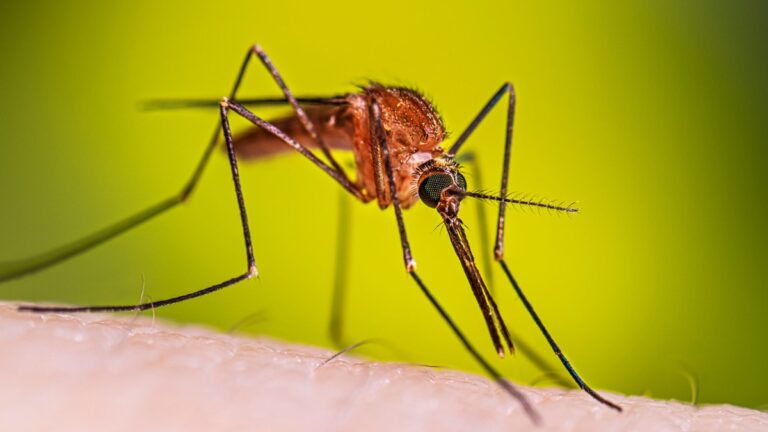
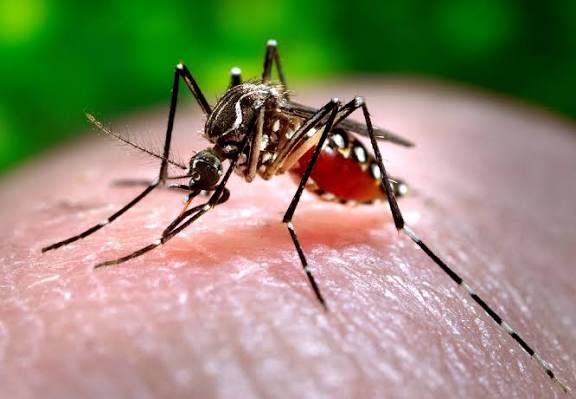
Dengue transmission in Panama is linked to climatic and urban factors. According to experts, heavy rains, rising temperatures, and disorderly urbanization have facilitated the reproduction of the Aedes aegypti mosquito, the main vector of the disease.
The Ministry of Health insists that the elimination of breeding sites in and around homes remains the most effective measure to reduce transmission. Recommendations include checking yards and roofs, removing containers that accumulate water, and collaborating with authorities during vector control operations.

Dengue causes symptoms such as high fever, severe headache, muscle and joint pain, skin rashes, as well as extreme fatigue. Warning signs that require immediate medical attention include persistent abdominal pain, repeated vomiting, bleeding gums or nose, difficulty breathing, drowsiness, and irritability. Timely detection of these symptoms is key to avoiding serious complications.
The regional context of the outbreak
At the regional level, the Pan American Health Organization (PAHO) warned that Latin America is facing one of the highest levels of virus circulation in recent years. Countries such as Brazil, Argentina, Colombia, Mexico, and Peru have reported outbreaks, according to official information. Panama, although it is recording an increase in cases, maintains a less critical situation compared to other countries.
Official statistics reflect that Panama closed 2025 with 28 deaths from dengue, a 51.8% decrease compared to the 54 deaths in 2024. The total number of cases that year was 16,262, a lower figure than the 32,361 infections documented in 2024. These data, collected by EFE, show a decline in annual mortality and infections, despite seasonal spikes.
Health authorities reiterate the call to reinforce prevention measures, go to health centers in case of alarm symptoms, and maintain epidemiological surveillance and the elimination of breeding sites to contain the spread of dengue.