Santiago.- Within the framework of the Month of the Restoration, the Municipality of Santiago, through the Directorate of Culture and Citizen Education, held the Patriotic Walk “From Capotillo to the Monument: the Restoration unites us”, a day of heritage education, historical memory, and national identity.
The initiative, developed with the support of the Fortaleza San Luis Cultural Museum Foundation, aimed to connect different places linked to the Restoration War and bring citizens closer to the events, protagonists, and communities that made the recovery of Dominican sovereignty possible.
The tour incorporated the San Luis Fortress as a reference point, a historical space related to the defense of Santiago and the battles that marked the progress of the Restoration War in 1863. From this location, a reading of the territory was proposed that links the city of Santiago with the Northwest Line and the Dominican border.
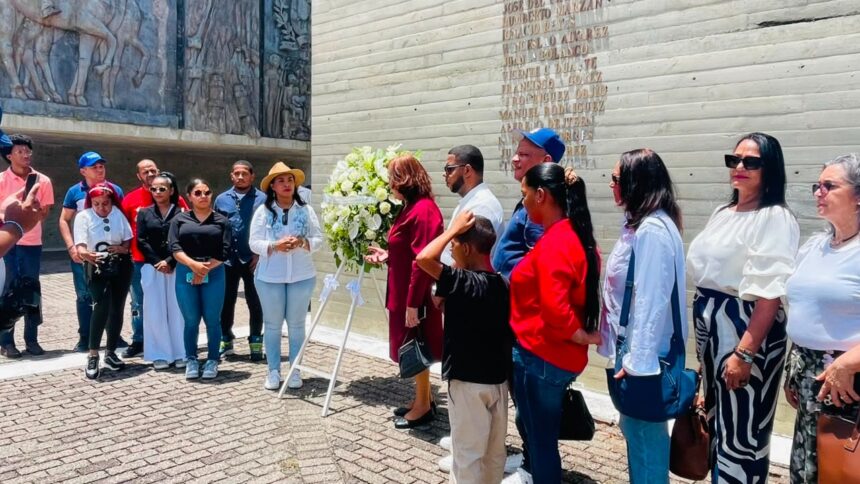
The route continued towards the Capotillo Cry Monument, in the province of Dajabón, the symbolic setting of the uprising that began on August 16, 1863. At this location, a historical review, a commemorative act, the laying of a floral offering, and an interpretive tour of the monument took place.
You can also read: Santiago City Hall follows up on fraud case
The Grito de Capotillo represented the transition from political opposition to open war against the annexation to Spain. The action was linked to figures such as Santiago Rodríguez, Benito Monción, José Cabrera, and other patriots who articulated the initial mobilization from the border.
More Read
The day also allowed for the recognition of the role of the communities of the Northwest Line, particularly Sabaneta and Guayubín, whose territories were related to the background, organization, and expansion of the restoration movement.
In Guayubín, the delegation visited the Gaspar Polanco Municipal Park, formerly the Plaza de Armas, where a review was presented regarding the town’s participation and the military events that contributed to the advancement of the restoration cause. This space allowed for highlighting the importance of the towns, roads, and communities that sustained the national resistance.

The tour concluded in Santiago, at the Monument to the Heroes of the Restoration Museum, a space dedicated to the conservation, interpretation, and dissemination of Dominican historical memory. There, the play “We are all Luperón” was presented as an artistic expression dedicated to the figure of Gregorio Luperón and the collective participation of the restorationists.

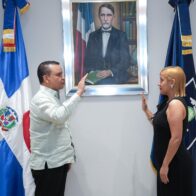
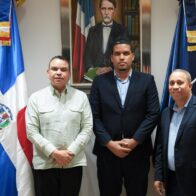
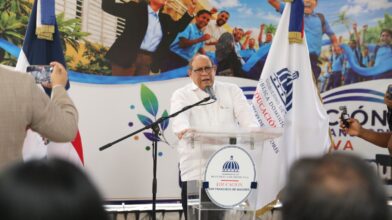
The activity was attended by Ángela Altagracia Jáquez Rodríguez, Vice Minister of Preventive Security in Provincial Governments of the Ministry of Interior and Police; Jhonattan Erick, Northern regional coordinator of that ministry; and Yaniris Espinal Jorge, Director of Culture and Citizen Education of the Santiago City Council.
Also represented were the Fortaleza San Luis Cultural Museum Foundation, the Ercilia Pepín Cultural Center, the Technological University of Santiago (UTESA), and the Santiago Tourist Destination Cluster.
During the day, it was highlighted that the Restoration was not an event limited to a single place nor carried out solely by military figures. It was a territorial and collective process that involved border communities, farmers, merchants, women, combatants, local authorities, and social sectors committed to the defense of the Republic.
The Director of Culture and Citizen Education, Yaniris Espinal Jorge, explained that these types of tours are part of an institutional vision that links culture, citizen education, heritage, and cultural tourism. She pointed out that knowing the places where events occurred helps to strengthen the sense of belonging and promote a more responsible relationship with monuments, museums, and historical spaces.
“From Capotillo to the Monument” allowed for an understanding of the historical continuity between Fort San Luis, the Cry of Capotillo, Sabaneta, Guayubín, and Santiago: a network of places where sovereignty was defended and national memory was built.
The Mayor’s Office of the Municipality of Santiago reaffirmed its commitment to the protection of heritage, the promotion of historical education, and the development of initiatives that bring citizens closer to the fundamental processes of the Dominican Republic.