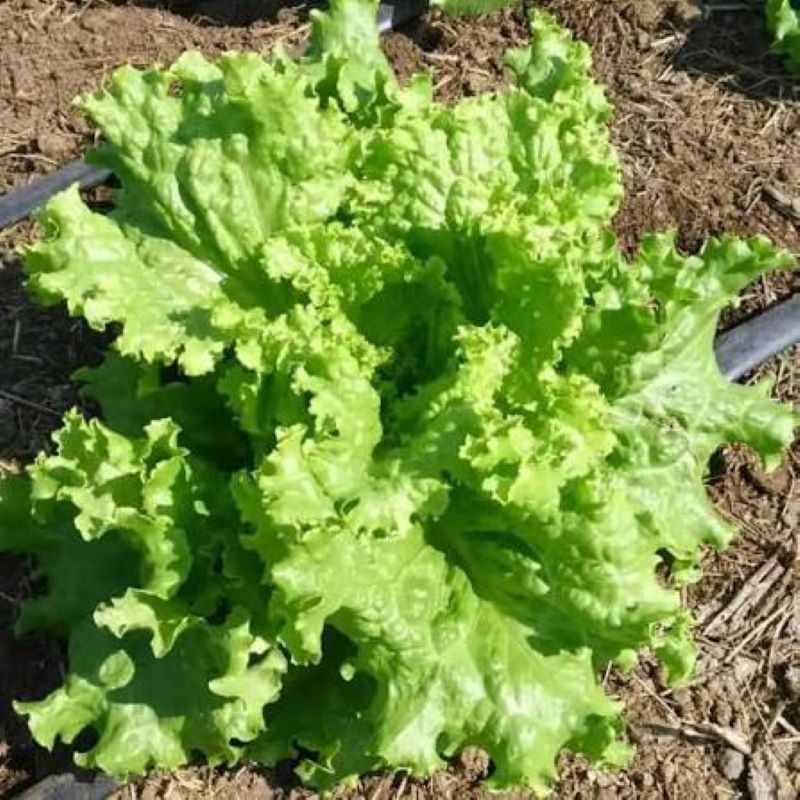
A group of researchers developed genetically modified lettuce and tobacco plants capable of producing myoglobin, a protein present in animal muscles that plays a fundamental role in the flavor, color, and other characteristics typical of meat.
The scientific breakthrough, announced in a specialized publication, represents a step toward the development of plant-based foods with properties more similar to those of meat, while seeking to contribute to more sustainable production systems with a lower environmental impact.
To achieve this result, the researchers employed a genetic engineering technique known as biolistic transformation or “gene gun,” which consists of introducing genetic material directly into plant cells. In this case, they incorporated porcine myoglobin genes into the chloroplasts of young lettuce and tobacco plants.

According to scientists, technology could expand the options for producing meat-alternative foods, reducing reliance on livestock farming, an activity that generates a significant portion of greenhouse gas emissions and requires large amounts of water and land.
Researchers point out that further evaluations will still be necessary to determine the commercial viability and safety of this innovation before it can reach the market.