

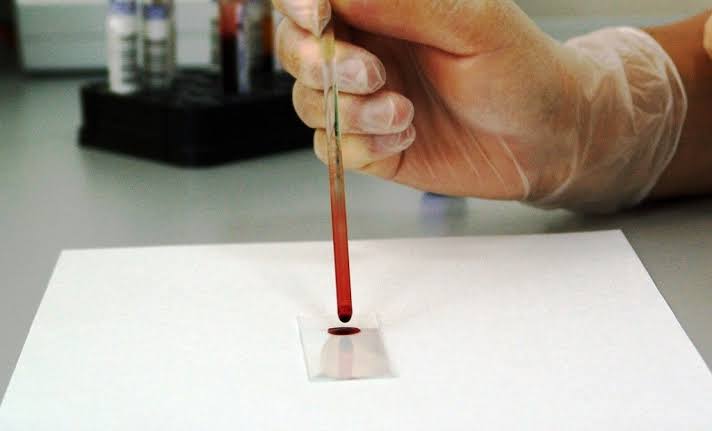

Stockholm, Sweden.– A study conducted by Swedish researchers suggests that a new blood test could improve prostate cancer detection by more accurately identifying cases that truly require treatment, avoiding unnecessary interventions in patients with slow-growing tumors.
The research included more than 12,600 men between 50 and 74 years of age, who were evaluated using the Stockholm3 test and the traditional prostate-specific antigen (PSA) analysis, commonly used to detect this disease.
After two years of follow-up, scientists determined that Stockholm3 managed to identify nearly 90% of prostate cancer cases, surpassing the 74% achieved by the PSA test. Furthermore, the new method reduced the chance of missing aggressive tumors without increasing the number of patients undergoing complementary examinations.
Unlike conventional analysis, Stockholm3 combines genetic information, biomarkers present in the blood, and clinical data, such as age and family history, to calculate the risk of developing an aggressive form of the disease.

We recommend reading: The importance of preventing prostate cancer
Researchers believe that this tool could make early detection programs more efficient, focusing studies and treatments on men at higher risk and reducing unnecessary procedures in those with a low probability of having aggressive cancer.
However, the authors of the study, published in the journal Annals of Internal Medicine, indicated that it will be necessary to extend the follow-up period to determine whether this test contributes to reducing mortality and improving the long-term prognosis of patients.