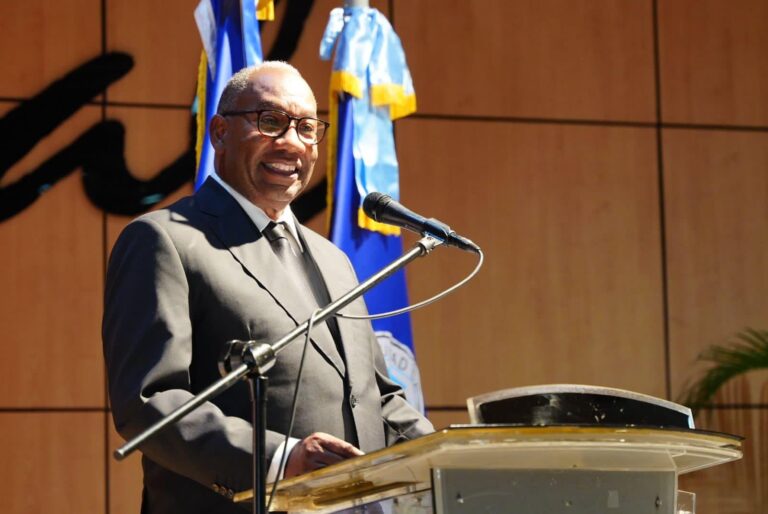

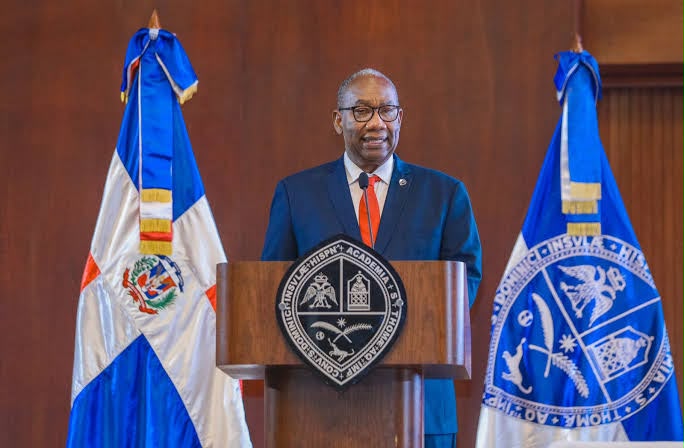

Santo Domingo.– The administration of Editrudis Beltrán Crisóstomo at the helm of the Autonomous University of Santo Domingo (UASD) leaves a legacy marked by territorial expansion, academic strengthening, and improvements in the working conditions of university staff.
During the 2022-2026 period, the institution implemented a curricular reform with more than 90 programs redesigned under the competency-based approach, while expanding its presence throughout the national territory, with coverage in all 31 provinces, the National District, and several additional municipalities.
University infrastructure also saw progress with the construction of new campuses in Baní, Azua, Hato Mayor, Cotuí, and Neiba, in addition to multiple interventions at the main headquarters, which included building expansions, improvements to sports and academic spaces, rehabilitation of dental clinics, and the creation of new student and health areas.
In parallel, the UASD promoted educational innovation through the installation of 32 smart classrooms and the digitalization of academic processes, including the modernization of the postgraduate system and the implementation of the UASD Connected program.

We recommend reading: UASD strengthens Social Communication teaching with new audiovisual complex
The academic offering was diversified with the opening of the Hotel School in El Seibo, while the experimental high schools significantly expanded their reach, going from one to 16 educational centers distributed across different regions of the country.
In the workplace, management implemented the 14th-month salary, salary increases of over 50%, improvements in per diems, and additional benefits through vehicle fairs. Likewise, staff stability was strengthened through promotions and labor formalization processes.
The research area also experienced growth, with more than 300 scientific publications, over 200 projects in development, and leadership in securing funding from the National Fund for Innovation and Scientific and Technological Development (FONDOCYT). Added to this was the training of faculty and technicians, impacting thousands of university staff members.
The institution also consolidated its international projection through its participation in global forums, the presidency of the Central American University Superior Council (CSUCA), and the organization of the World Law Congress.

In administrative matters, the opening of the Multiservice Center was highlighted, as well as the creation of productive units such as a bakery, pizzeria, and water plant, along with financial management oriented toward transparency, which allowed for the settlement of historical commitments and ensured compliance with institutional standards.
During this period, more than 50 thousand new professionals graduated from the academy, in ceremonies organized with greater agility, as part of a comprehensive transformation of the state university.