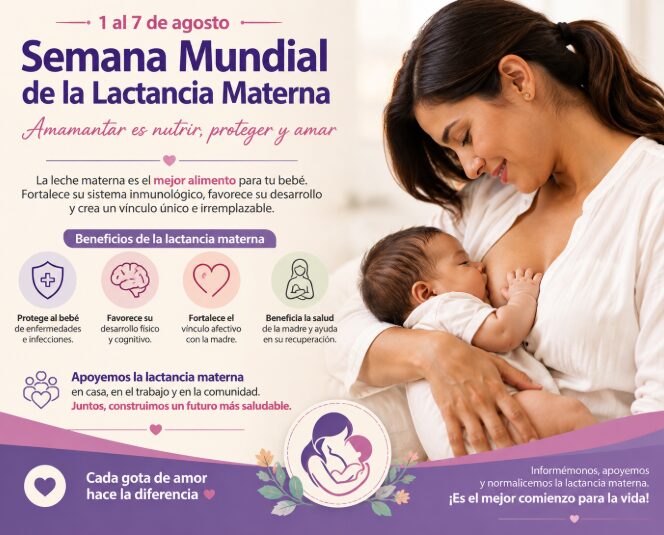
Every year, from August 1st to 7th, World Breastfeeding Week is commemorated, an initiative that seeks to raise awareness about the importance of breast milk as the best food for newborns and to promote policies that make it easier for mothers to breastfeed safely and without obstacles.
Breastfeeding is considered by international organizations as one of the most effective interventions to ensure child health and development. Breast milk provides all the nutrients a baby needs during the first six months of life, as well as antibodies that strengthen their immune system and reduce the risk of infections, diarrhea, pneumonia, and other diseases.
The World Health Organization (WHO) and the United Nations Children’s Fund (UNICEF) recommend initiating breastfeeding within the first hour after birth, maintaining it exclusively for the first six months, and continuing it, along with appropriate complementary feeding, up to two years of age or beyond.
The benefits of breastfeeding do not only reach babies. Mothers who breastfeed have a lower risk of developing breast and ovarian cancer, type 2 diabetes, and cardiovascular diseases, in addition to promoting a faster recovery after childbirth and strengthening the emotional bond with their children.

We recommend reading:PrimerizaRD will celebrate “Let’s Talk About Breastfeeding 2026” with two educational meetings in Santo Domingo
More Read

World Breastfeeding Week also focuses on the need to create supportive environments for mothers, both in homes and in healthcare centers and workplaces. Specialists insist that the success of breastfeeding depends on the support of family, employers, healthcare personnel, and public policies that guarantee adequate maternity leave, spaces for milk expression, and working conditions compatible with child-rearing.
Despite progress, millions of women around the world face barriers to breastfeeding, including misinformation, lack of professional support, early return to work, and the inappropriate marketing of breast milk substitutes. These situations can make it difficult for mothers to maintain breastfeeding for the recommended time.
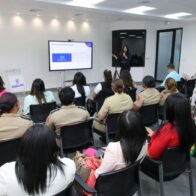
In the Dominican Republic, health authorities and various organizations take advantage of this week to carry out educational workshops, talks, and community activities aimed at promoting breastfeeding and guiding families on its benefits. Experts reiterate that investing in breastfeeding is investing in the health, development, and well-being of future generations, while also contributing to reducing healthcare costs and improving the quality of life for mothers and children.