

Santo Domingo, D.R. – The Economic and Social Development Council of Santo Domingo (CODESSD) positively assessed the fiscal reform proposal presented by the Dominican Government, highlighting that it contains important initiatives aimed at simplifying the tax system, supporting micro, small, and medium-sized enterprises, strengthening tax administration, and preserving economic stability in a challenging international context.
The entity recognized as favorable the measures aimed at reducing administrative burdens for small taxpayers, expanding tax simplification mechanisms, eliminating some taxes considered obsolete, and strengthening actions against tax evasion.
However, CODESSD understands that the national discussion on fiscal reform represents an opportunity to address in greater depth some of the structural problems that have historically limited the economic development and the sustainability of public finances in the Dominican Republic.
Among these challenges, the organization highlighted the high level of informality affecting the national economy, a situation that impacts productivity, limits the State’s tax collection capacity, reduces social security coverage, and creates an unequal burden on citizens and companies that do comply with their tax obligations.

We recommend reading: CODESSD receives recognition as an Organization Promoting Sustainability
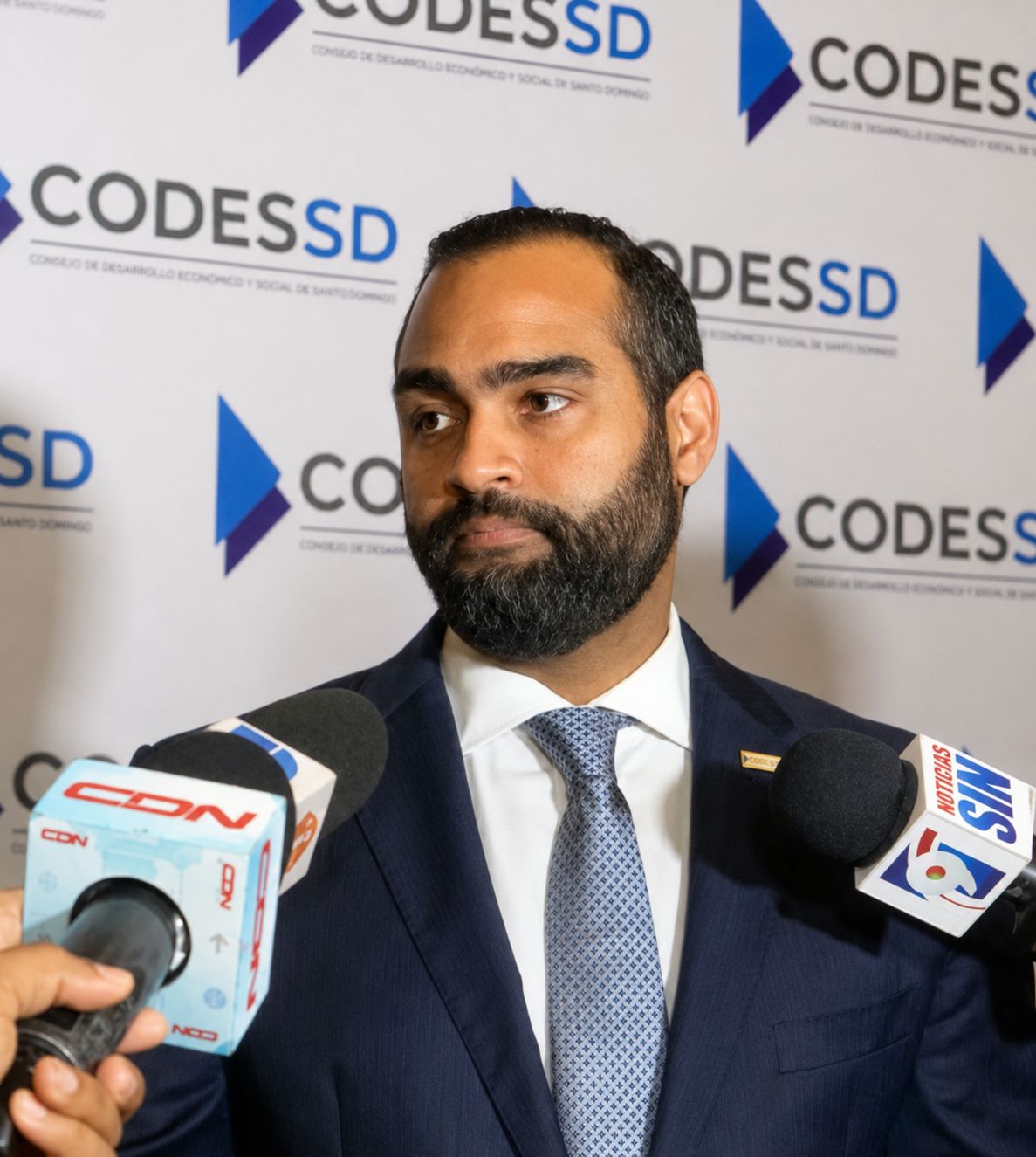
“As a country, we must move towards an economic model where formalization is simpler, more attractive, and more accessible for thousands of entrepreneurs, workers, and small businesses that currently operate outside the formal system. Informality constitutes one of the main economic challenges for the Dominican Republic and requires a comprehensive national strategy,” stated Samuel Sena, president of CODESSD.
Likewise, the entity considered it essential that any discussion on tax reform be accompanied by an honest, technical, and transparent review of public spending, aimed at guaranteeing greater efficiency in the use of the resources of all Dominicans.
“The country needs to strengthen its revenue, but it also has the responsibility to permanently evaluate the quality and efficiency of public spending. Citizens expect every peso collected to generate tangible results in services, infrastructure, security, education, health, and social development. A sustainable fiscal reform must contemplate both the strengthening of revenue and the optimization of spending,” noted Sena.
The CODESSD indicated that this review must include the identification of institutional duplicities, the evaluation of programs with low impact, the modernization of administrative processes, the reduction of unnecessary expenses, and the strengthening of transparency, oversight, and accountability mechanisms.
The institution pointed out that, in addition to efforts to strengthen public revenue, it is necessary to continue promoting policies aimed at expanding the taxpayer base, reducing tax evasion, improving the quality of public spending, and strengthening transparency and accountability mechanisms.
Likewise, he considered that the country’s fiscal challenges must be analyzed from a comprehensive perspective that allows for guaranteeing the sustainability of public finances without affecting competitiveness, private investment, or job creation.
“The debate on the fiscal future of the Dominican Republic must focus not only on how to collect more, but also on how to spend better, how to reduce informality, and how to build more efficient institutions. Fiscal sustainability necessarily involves addressing the structural problems that have accompanied the country for decades and ensuring that public resources are managed with criteria of efficiency, transparency, and results,” added the entity’s representative.

You can also read: “We have to prepare for the future”, says Codessd president regarding climate change
CODESSD reiterated its willingness to actively participate in dialogue and consensus-building spaces that contribute to forging agreements regarding the reforms the nation demands, always promoting balanced solutions that strengthen economic growth, social stability, and the well-being of all Dominicans.
Finally, the organization reaffirmed its commitment to the promotion of public policies oriented towards sustainable development, competitiveness, institutionality, and the construction of a more inclusive, modern, and transparent economy.