You can also read: Psychologist warns about mental health crisis in Dominican mothers | De Último Minuto
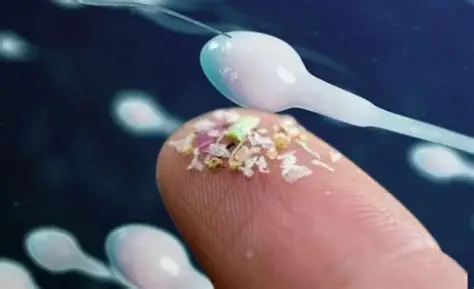
Although previous studies had already detected microplastics in human organs, this is the first time they have been confirmed in key fluids for reproduction. Emilio Gómez-Sánchez, lead researcher of the study and expert in assisted reproduction, pointed out that although they expected to find them, the high prevalence was surprising.

Although the research did not determine the direct impact on fertility, it is known that in animals microplastics can cause inflammation, oxidative stress, cell damage, and hormonal alterations. According to Gómez-Sánchez, “it is possible that they affect the quality of eggs or sperm, but conclusive evidence in humans is still lacking.”
The team plans to expand the study to more people and include factors such as lifestyle and environmental exposure, as well as analyze whether there is a relationship between microplastics and reproductive quality. Despite the findings, experts call for calm. “Fertility depends on multiple factors and there is no reason to be alarmed for now,” clarifies Gómez-Sánchez, who recommends small actions to reduce exposure to these pollutants, such as using glass containers or avoiding the excessive use of plastic bottles.