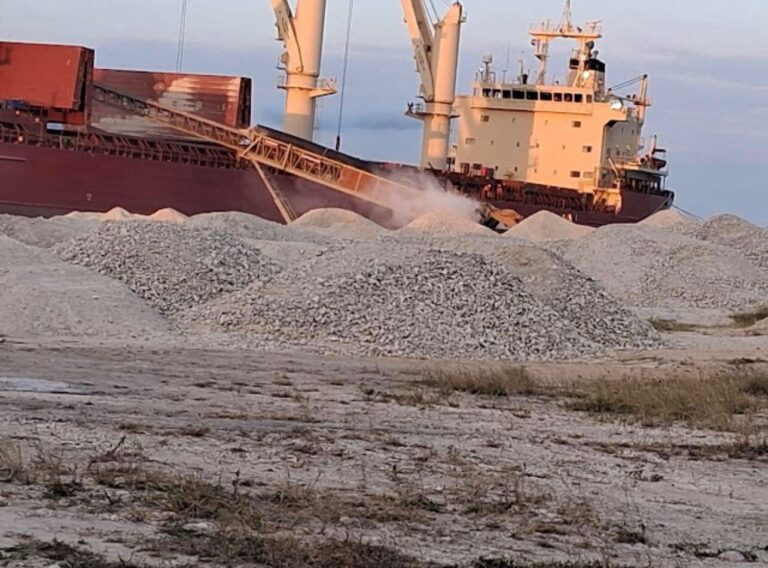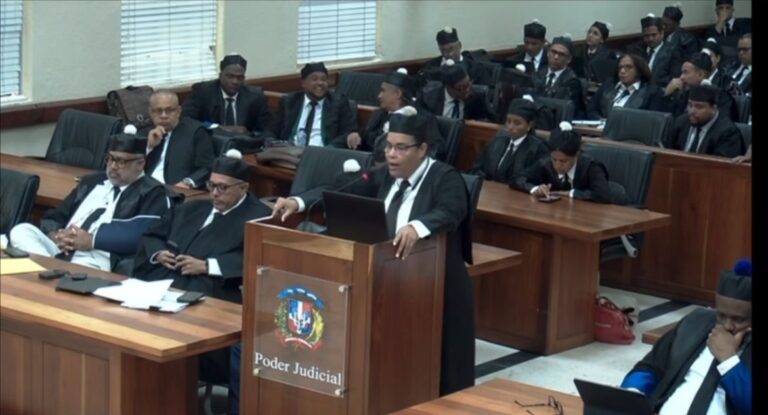



SANTO DOMINGO. – Lawyer Gilmer Martínez, acting as legal consultant and spokesperson for a coalition of 125 associations from the Enriquillo region, denounced an unprecedented situation of “environmental predation” in the province of Barahona, pointing out that current mining operations in the area are operating outside the law.
In an interview for the program “Politikal“, Martínez warned about the irreversible damage to the ecosystem and demanded the direct intervention of the Executive Branch and the Specialized Prosecutor’s Office for the Environment.
READ ALSO: San Juan marches this Sunday against mining exploitation in defense of water
A call to stop exploitation
The main demand of the jurist is the total cessation of extractive activities which, as he states, lack legitimate control.

“The first thing is that all mining operations in Barahona must stop, which in itself is already outside of all law; that is, everything that exists in Barahona in terms of mining is outside of all legitimate and legal control,” Martinez stated during his speech.
The lawyer specifically pointed to individuals and companies that are allegedly engaging in irregular exploitation practices. He mentioned the case of Michael González, whom he suspects of carrying out clandestine extractions during the early morning hours to appear legal during the day. Likewise, he denounced that the company Venmar (Ventura Marte) operates with allegedly expired permits, directly affecting the Yaque del Sur river basin.
Environmental and social impact
Martínez described the state of the Loma de los Angelitos graphically, comparing the visual damage to a hair condition. “When you check the map on Google Maps, you see the hill has some bald spots on its head, as if the hill is suffering from alopecia; the hill is going bald,” the spokesperson explained.
Beyond the aesthetic, the lawyer emphasized the critical consequences for the region:

- Water destruction: The hill is a producer of clouds, cold, and rain, and houses about 15 natural swimming spots that are being damaged.
- Agricultural threat: The extractions affect the irrigation canals that support local livestock and agriculture.
- Safety and health: The constant transit of heavy trucks has generated dust pollution and an increase in traffic accidents.
Criticism of local authorities
The guest was emphatic in criticizing the inaction of provincial officials, suggesting that personal closeness in small towns prevents effective oversight. “In the provinces, there is a serious problem with environmental authorities… if there are interests, things are handled in a very negligent way, with a lot of apathy,” Martínez stated, adding that the authorities have “turned their backs” on them by ignoring their constant complaints.
These statements are made in the context of the call for a peaceful march that will take place next Sunday, July 7th at 9:00 in the morning, starting from the Triumphal Arch of Barahona. Under the slogan “Water yes, gravel plant no”, the coalition seeks to demonstrate that the rejection of irregular mining is not a movement of a few, but a popular outcry that has the moral support of more than 100 national institutions.
Martínez clarified that they are not intransigently opposed to mining, but rather to the lack of sustainability and legality that currently prevails.