

Santo Domingo. — Today marks exactly two months since the usual Monday joy at the Jet Set Club turned into tragedy. The collapse of the roof of this historic nightclub left 237 dead and 186 injured, in an event that forever marked the contemporary history of the Dominican Republic.
What was supposed to be another night of music and dancing ended with sirens, cries for help, and tons of debris over hundreds of bodies. The collapse occurred after 12:40 a.m. on Monday, April 8, during the performance of the renowned merengue singer Rubby Pérez, who died instantly after being trapped between metal structures and concrete.
A call that symbolized chaos
At 12:44 a.m., the 9-1-1 system received the first alert. In less than ten minutes, over 100 calls saturated the emergency lines. One of them was different: Nelsy Cruz, governor of Montecristi, managed to contact President Luis Abinader directly from under the rubble. Her voice, weakened and broken, was the last signal she sent before dying hours later in a health center. Cruz was singing enthusiastically moments before while Rubby performed “Color de Rosas”. The image of both enjoying the show minutes before their death has become one of the most moving symbols of this tragedy. The disaster left 236 people dead, including artists, officials, military personnel, athletes, and civilians. Among the victims are figures such as former baseball player Octavio Dotel, baseball player Tony Blanco, and designer Martín Polanco. Another 186 people survived, many with serious physical injuries and traumas that, according to specialists, could accompany them for life. According to figures from the National Council for Children and Adolescents (CONANI), at least 174 children were orphaned, 34 of them without either of their parents.The fall of an icon
The Jet Set Club, founded in 1973, was the heart of merengue and Dominican nightlife for over five decades. The greatest exponents of the Caribbean rhythm performed on its stage, and its “Jet Set Mondays” were an almost ritualistic appointment for thousands of capital residents and tourists.
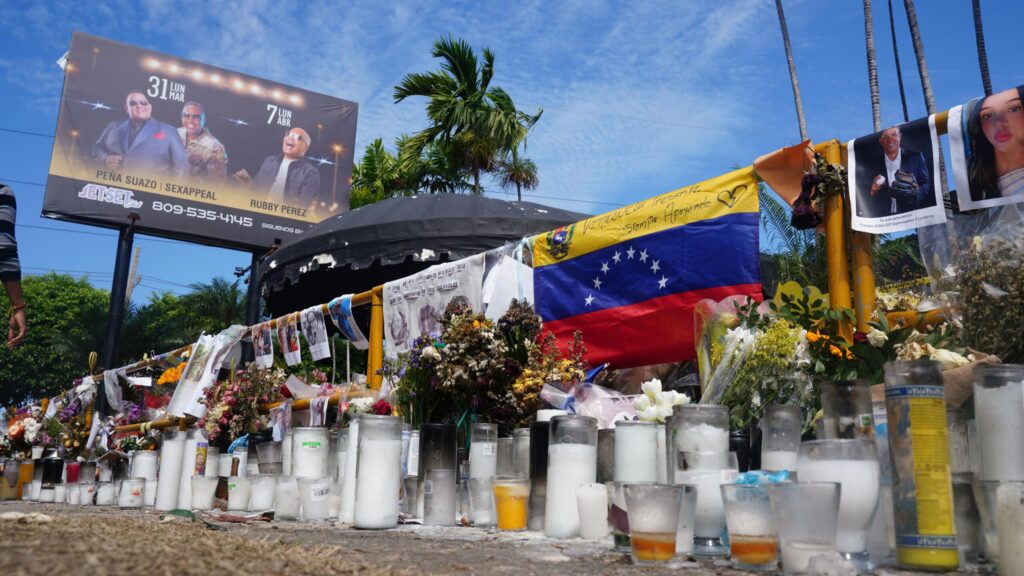
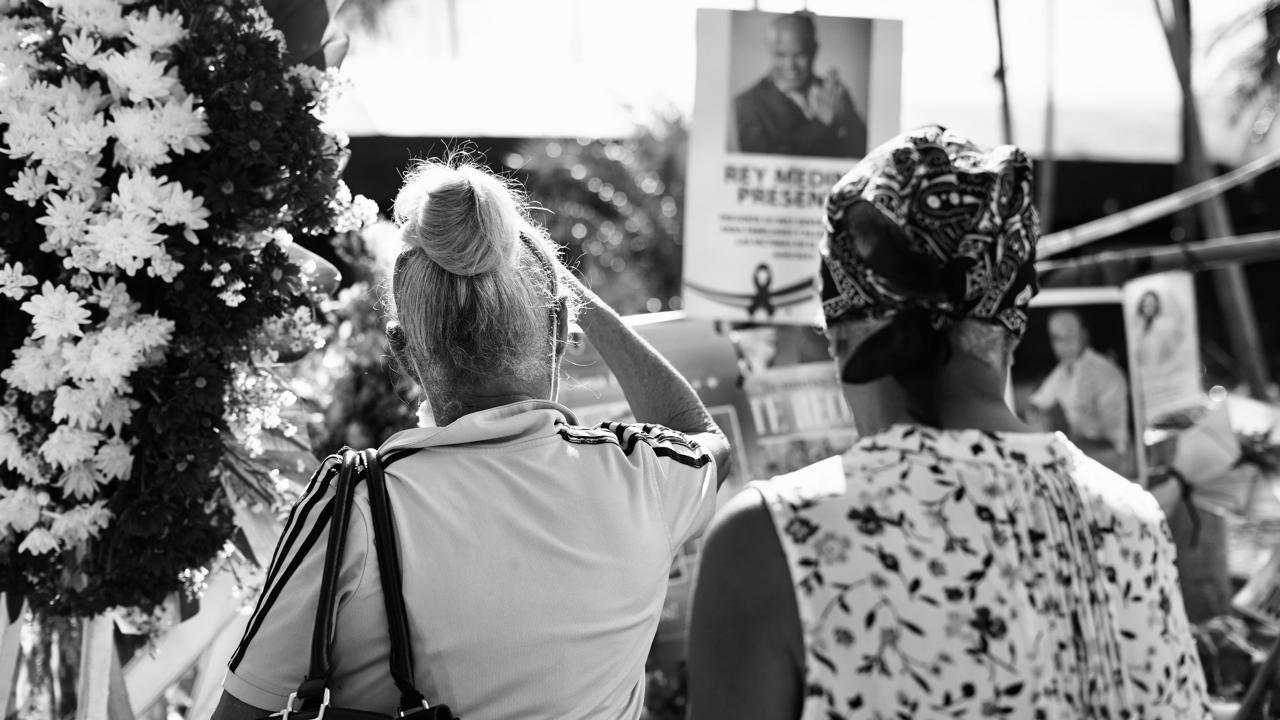
Today, the premises remain closed and under judicial custody. The tarpaulins covering its facade fail to hide the citizens’ indignation or the accumulated pain. At its doors, withered flowers, crosses, candles, and handwritten messages remind us that under those ruins, more than lights were extinguished.