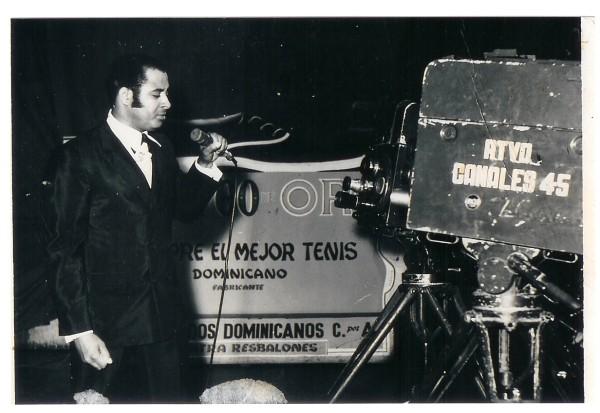
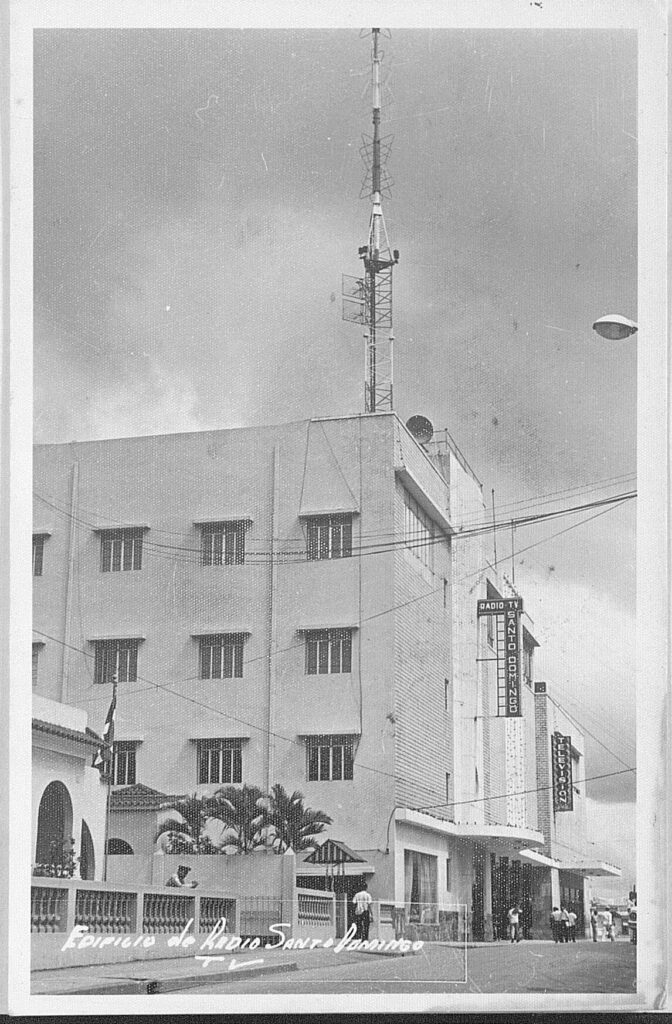
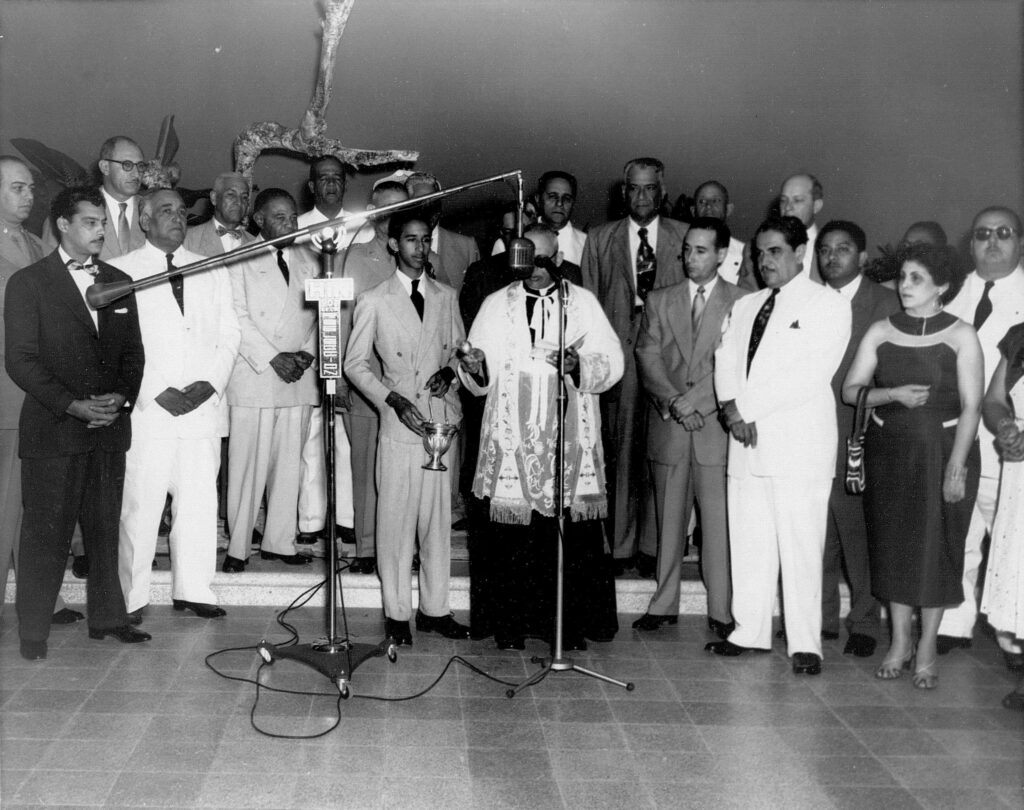
73 years ago the Dominican Republic experienced a historic moment, when television first arrived in the country’s homes. It was at noon on August 1, 1952, when the cameras of La Voz Dominicana were turned on, on Doctor Tejada Florentino street, where what is now Radio Televisión Dominicana (RTVD) still operates.
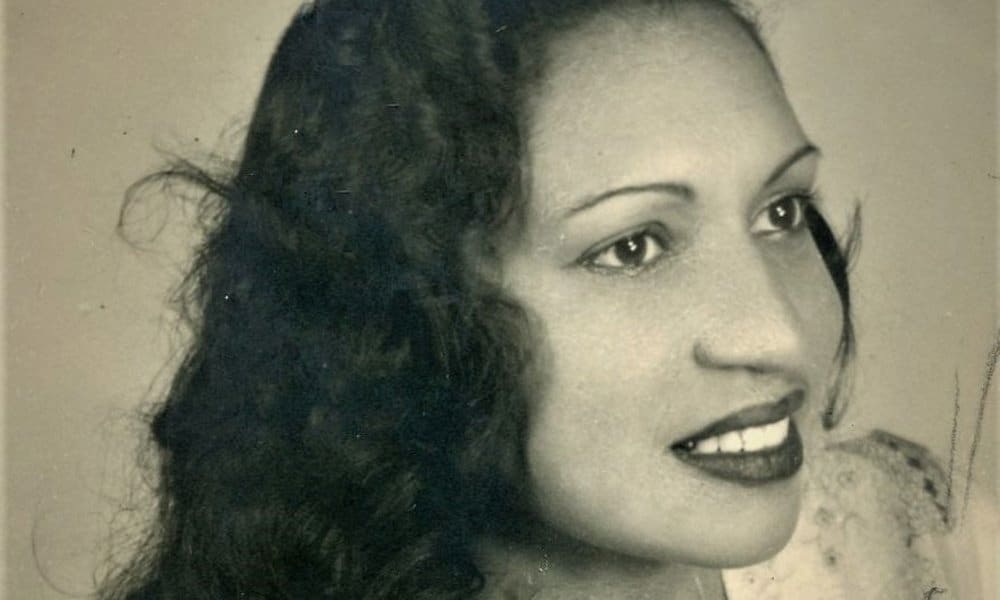
The first image transmitted marked the beginning of a new era in communications, when the announcer María Cristina Camilo (Maíta), welcomed the audience and presented the program “Romance Campesino”, starring Toña Colón (Felipa) and Luis Mercedes Miches (Macario), and that’s how María Cristina became the first presenter of national television.
The project was conceived by José Arismendi Trujillo (Petán), brother of the dictator Rafael Leónidas Trujillo, and evolved from radio. Petán had founded the radio station La Voz del Yuna in Bonao in 1943, which was later moved to Ciudad Trujillo (now Santo Domingo), and converted into La Voz Dominicana when television was integrated in 1952.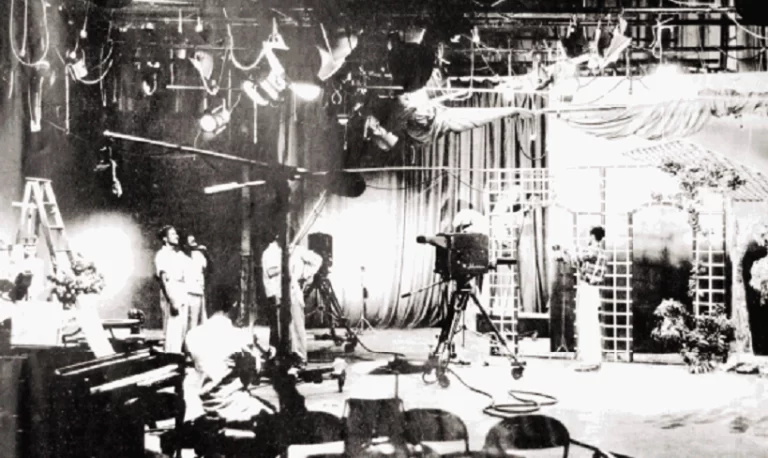
Evolution and changes
In 1965, the channel changed its name to Radio Televisión Dominicana (RTVD). Years later it was renamed Televisión Dominicana, and then it reverted to its original name. In 2003, through a law, it became the State Corporation of Radio and Television (Certv), grouping channel 4 together with stations such as Quisqueya FM, Dominicana FM and Santo Domingo AM.
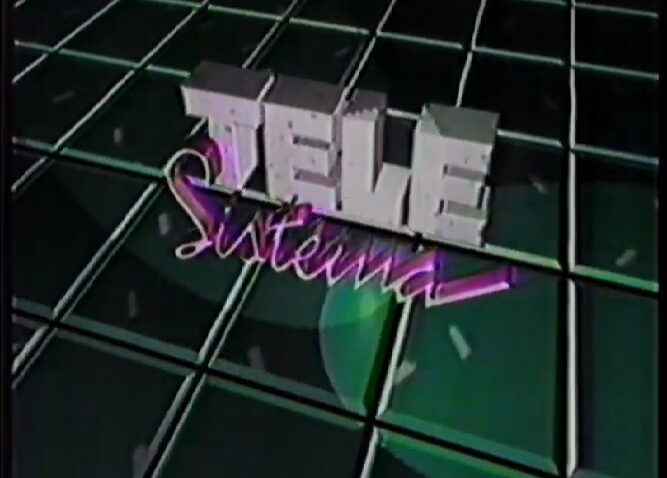
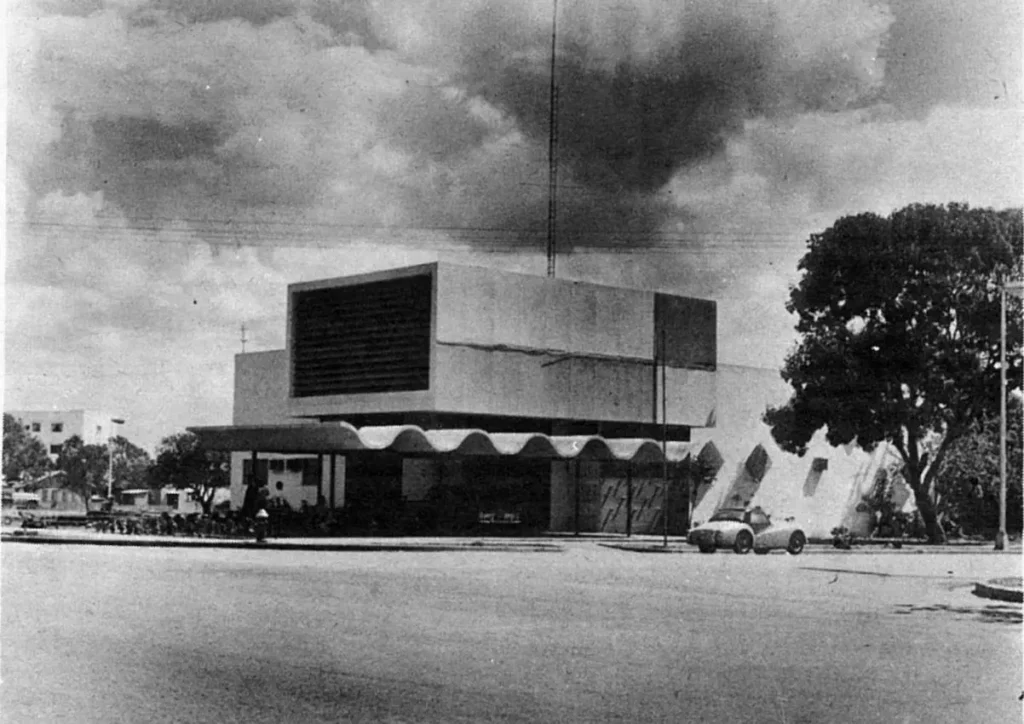
The rise of private television began in 1959 with the creation of channel 7, Radio HIN Televisión (Rahintel), founded by engineer Pedro Pablo Bonilla. It was followed by Color Visión, inaugurated in 1969 in Santiago by the Bermúdez family, and moved to the capital in 1971, becoming the first color television station in the country.

73 years later, a legacy that lives on
Today, August 1, 2025, Dominicans proudly celebrate the 73rd anniversary of national television, in a context dominated by digital platforms, streaming content, and technological advances, but without forgetting the path traveled since that first black and white broadcast that united the country in front of a new window to the world.