


The world’s first documented human infection with the Shamonda virus has been reported in Lyon, France, where the patient died in early October, according to the French Ministry of Agriculture on October 22.
Although the virus has circulated in Africa and Asia for decades, no human infections had previously been documented, the ministry said.
The patient was hospitalized after contracting the virus and had severe immunosuppression, a condition that made the individual more vulnerable to infections and complications, according to the European Centre for Disease Prevention and Control (ECDC).
The patient also developed neurological complications that may have been caused by the virus. Investigations are underway to determine whether the infection caused or contributed to the death and how the patient contracted it.

Despite the case, French authorities said there was no identified risk to the general population based on the information currently available, describing the human infection as exceptional.
The World Health Organization (WHO) also said wider transmission was considered unlikely. Based on current knowledge about the transmission of closely related viruses, the case appears to be isolated in humans, the organization said, adding that it is monitoring the situation.
The ECDC said it was also following developments closely.
What is the Shamonda virus?
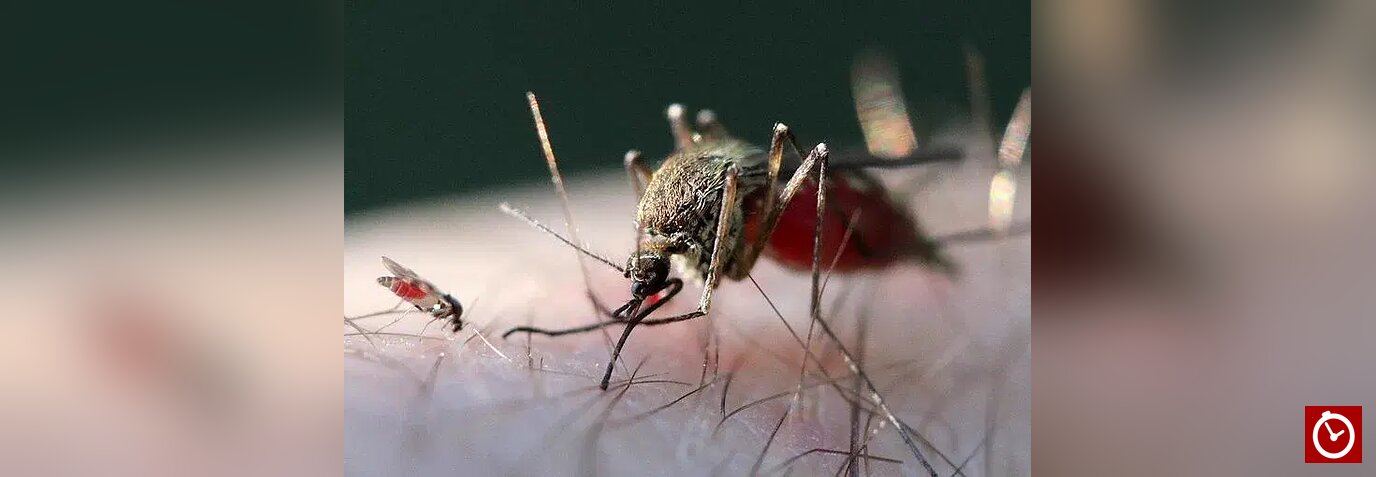
The Shamonda virus was first detected in Nigeria in 1965. It is transmitted to animals by biting midges belonging to the Culicoides genus and primarily affects cattle, although sheep, goats, horses and alpacas can also be infected.

Before 2026, reported infections had been associated with cattle in Africa and Japan. During the summer of 2026, the virus was detected on livestock farms in several European countries, including Austria, Belgium, Germany, Ireland, Italy, Spain and France.
There is currently no vaccine available against the virus.
According to the World Organisation for Animal Health (WOAH), symptoms in infected animals can include fever, diarrhea, reduced milk production, reproductive problems such as abortions or malformed offspring, and neurological disorders.
The organization has noted that the effects of the different viral variants circulating in Europe are not yet fully understood.
Scientists believe the patient may have been infected by a bite from a Culicoides midge in eastern France, where the virus circulated among animals during the spring and summer of 2026.
Authorities continue investigating the case, including the circumstances of transmission and the virus’s possible role in the patient’s death.
Sources: French Ministry of Agriculture, ECDC, WHO and WOAH.