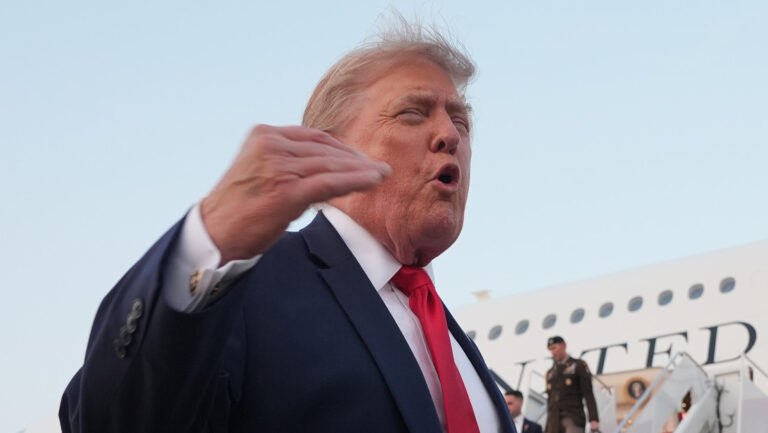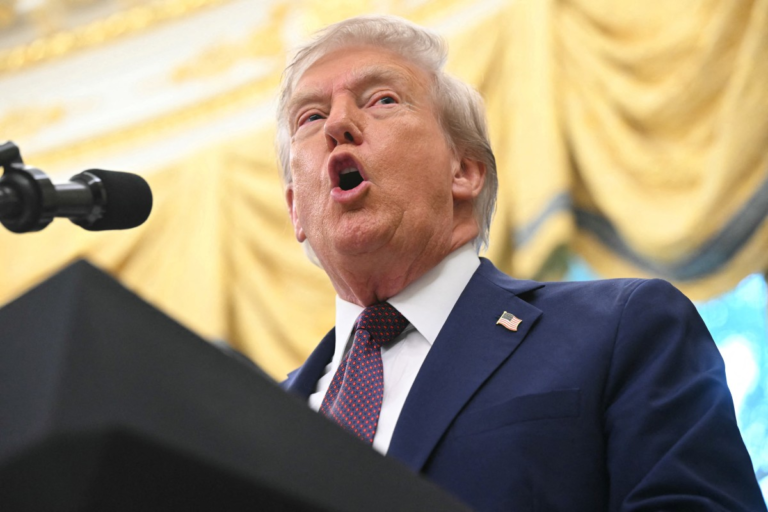

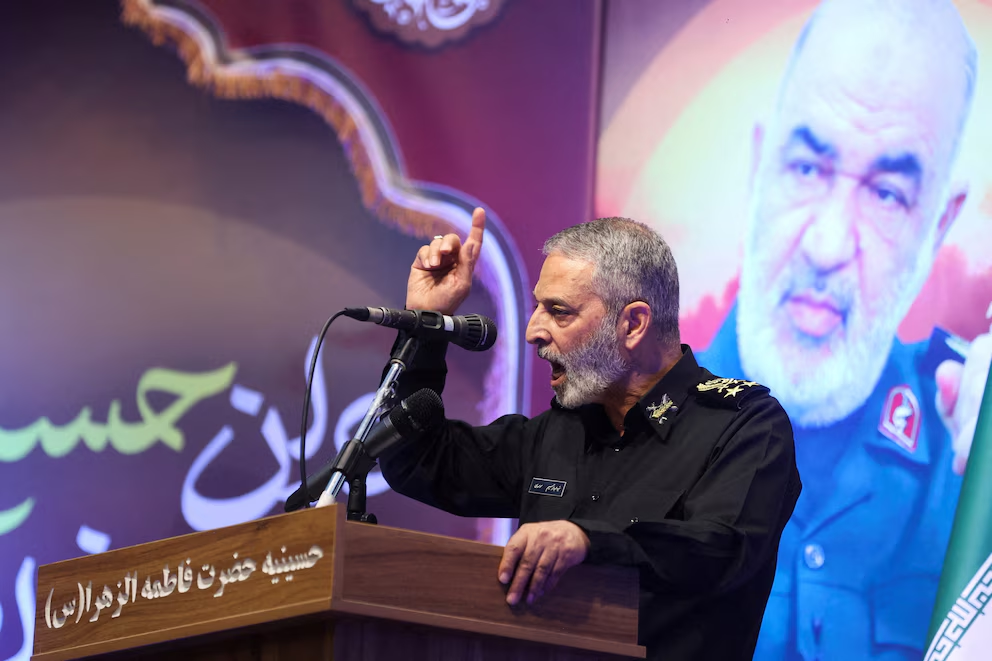
Iran threatened “painful blows” if the United States resumes attacks

11:39 pm
The supreme leader Mojtaba Khamenei backed those warnings in a written message addressed to the Iranians, in which he affirmed that Tehran would eliminate “the abuses of the enemies on the maritime route” under a new management of the strait. “Foreigners who come from thousands of kilometers away have no place there, except at the bottom of their waters,” he pointed out.
Two months after the start of the war between the United States, Israel, and Iran, the Strait of Hormuz remains blocked, cutting off passage to 20% of the world’s oil and gas supply. This interruption has skyrocketed global energy prices and raised alerts about the risk of an economic recession. A ceasefire came into effect on April 8, but Iran maintains the blockade in response to the naval encirclement that Washington imposed on its crude exports, the country’s main source of income.
We recommend reading: The Secretary-General of the United Nations (UN), Antonio Guterres, warned from New York that if the closure were prolonged until mid-year, global growth would fall, inflation would escalate, and tens of millions of additional people would be pushed into poverty and extreme hunger. “The longer this vital artery remains obstructed, the more difficult it will be to reverse the damage,” he declared. The price of the benchmark Brent crude reached over USD 126 per barrel at one point on Thursday, following the dissemination by the portal Axios of reports about a possible new round of attacks. Later it retreated to around USD 114.US President Donald Trump received a presentation on Thursday about a set of military options aimed at pressuring Iran to negotiate an end to the conflict, according to a US official who informed Reuters. Among the alternatives, Axios pointed out that one of them contemplates the use of ground forces to take control of a part of the strait and reopen it to commercial traffic. Trump is also evaluating extending the naval blockade or declaring a unilateral victory, according to officials cited in the cable.
The semi-official Iranian agency Mehr reported that sounds of air defense were heard in several areas of the capital Tehran during the night of Thursday. The agency Tasnim specified that the anti-aircraft systems were responding to small drones and unmanned aerial surveillance vehicles. That same day, the United Arab Emirates prohibited its citizens from traveling to Iran, Lebanon and Iraq, and asked those already in those countries to return immediately, citing regional developments. Trump faces a formal deadline this Friday to end the war or justify its extension to Congress. Analysts and legislative advisors consulted by Reuters anticipate that the president will choose to notify a 30-day extension or simply ignore the expiration. The president reiterated to the press that Iran will not be authorized to possess a nuclear weapon and that the price of gasoline would fall “like a stone” as soon as the war ended.A cable from the State Department scheduled to be communicated verbally to allied countries before May 1 invited partner nations to join a new coalition called Maritime Freedom Construct, aimed at ensuring navigation through the strait. France, the United Kingdom, and other countries have held talks on the matter, although they conditioned their participation on the definitive cessation of hostilities.
Iranian Chancellor Abbas Araqchi stated after meeting in Beirut with the Lebanese Parliament Speaker, Nabih Berri, that stopping Israeli attacks on Lebanon is part of the understanding reached between Iran and the United States and will remain a central point in any future negotiation. Pakistan, acting as a mediator, is working to avoid an escalation while both parties exchange messages about a possible agreement, according to a Pakistani source to Reuters on Wednesday.
Yerandi Santana es una periodista dominicana, graduado de Comunicación Social en la UASD. Ha trabajado en medios como TNI Canal 51, CDN y De Último Minuto, desarrollando experiencia en periodismo digital y televisivo.



#Most read
- 1.Lula leads Flávio Bolsonaro in first results of the 2026 Brazil elections
- 2.VIDEO: Tourists stranded with suitcases amid violent protests in Paris
- 3.Leonardo DiCaprio’s “dad bod” sparks discussion about belly fat and health risks
- 4.VIDEO: Cross involved in priest’s death reinstalled at Ecuador church as investigation continues
- 5.Mexican student creates sound-based fire extinguisher and wins gold medal
- 6.Haitian gang leader challenges Bukele as search for missing Salvadorans continues
- 7.Haitian gang Chen Mechan linked to alleged capture of four Salvadoran soldiers in Haiti
- 8.VIDEO: Haiti gang suppression force reports deaths as search continues for four missing Salvadoran soldiers
- 9.Cross falls on a priest inside a temple in Colombia and generates reactions on social media
- 10.VIDEO: Haitian gangs open fire on UN Security Council helicopters in Haiti

Newsletter
Subscribe to our newsletter to receive our latest articles instantly!