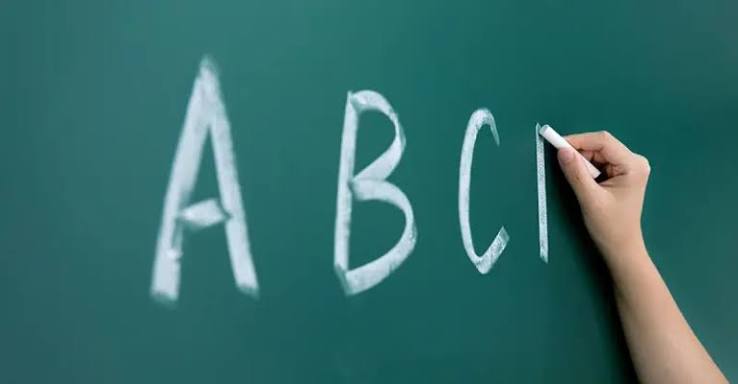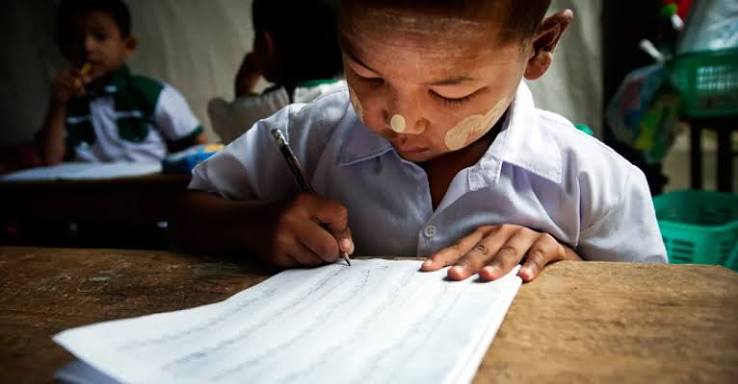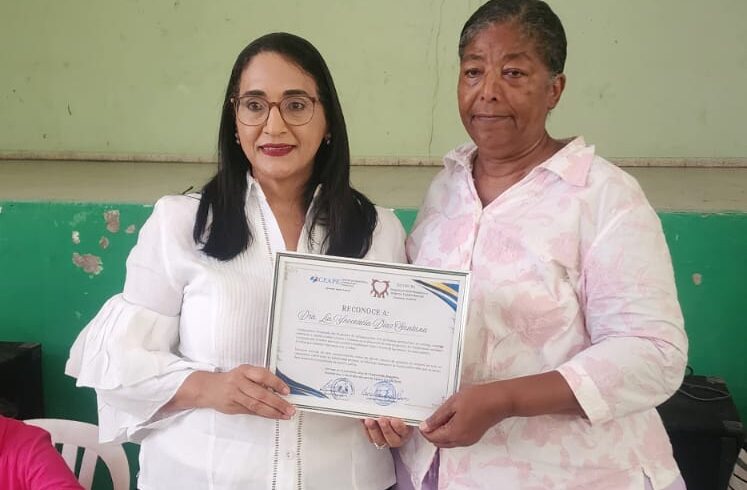

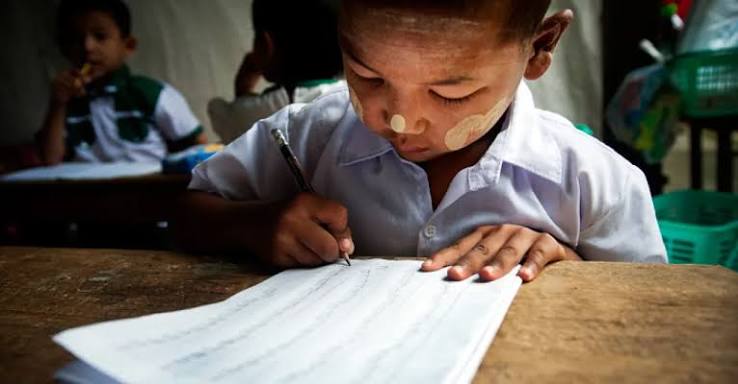

On September 8th, International Literacy Day is celebrated worldwide, a date proclaimed by the United Nations (UN) in 1965, with the purpose of remembering the importance of reading and writing as essential tools for human, social, and economic development.
This commemoration seeks to evaluate progress in the fight against illiteracy and reflect on the role that literacy plays in achieving the 2030 Agenda and the Sustainable Development Goals (SDGs). Learning to read and write not only opens the doors to knowledge, but is also key to reducing poverty, achieving gender equality, and promoting more just and inclusive societies.
Evolution of the concept of literacy
For many years, the goal of this day was limited to measuring how many people knew how to read and write in each country. However, since 2017, the scope of the celebration has been expanded to include digital literacy, understood as the ability to profitably use new information and communication technologies, especially the Internet.
We recommend reading:Opening a social media account before age 14 could affect school performance, according to a study

In the digital age, this type of literacy is fundamental to actively participate in society and access new opportunities.
Literacy as a right and a tool for progress
Beyond being a basic skill, literacy is a human right and a pillar for sustainable development. It allows people to communicate, stay informed, defend their rights, and participate fully in the social and cultural life of their communities.
On this International Literacy Day, a call is made to governments, educational institutions, and society in general to continue promoting initiatives that eliminate educational and digital gaps, ensuring that no one is left behind on the path to knowledge.