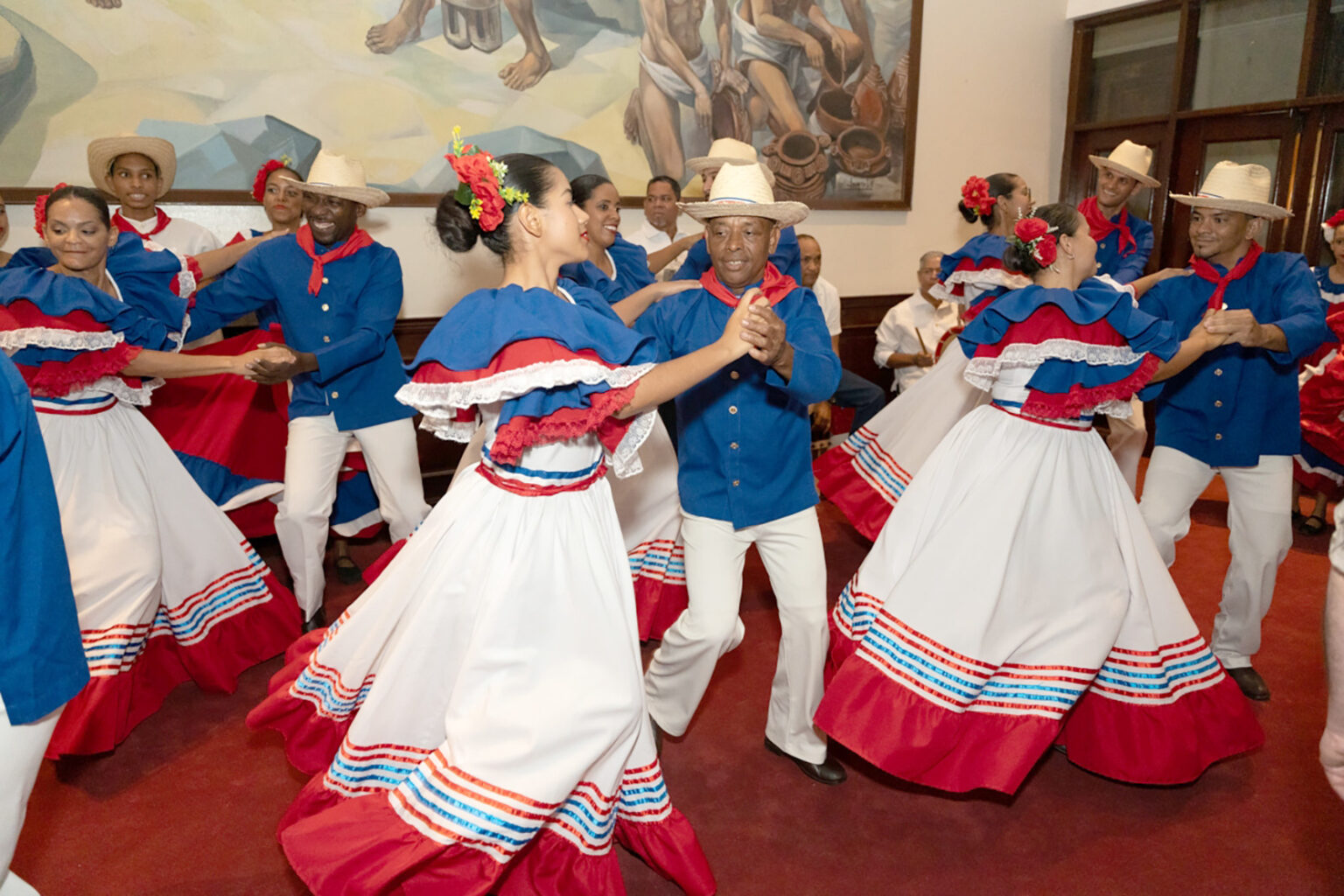
Classical and contemporary dance in the Dominican Republic paves the way for social inclusion, cultural identity, and free access to artistic training. This was stated by Stephanie Bauger, director of the Dominican National Ballet (BND), and Edmundo Poy, director of the National Contemporary Dance Company.
For Bauger, the National School of Dance (ENDANZA), one of the institutions of the General Directorate of Fine Arts, has democratized ballet by building a dance company with a Dominican stamp.
“It’s a completely free school, and the only requirement is talent. People from all socioeconomic backgrounds come here,” he said.
Dancers who are now part of important companies of the Ministry of Culture, such as the National Folkloric Ballet and the National Contemporary Dance Company, have graduated from this institution.
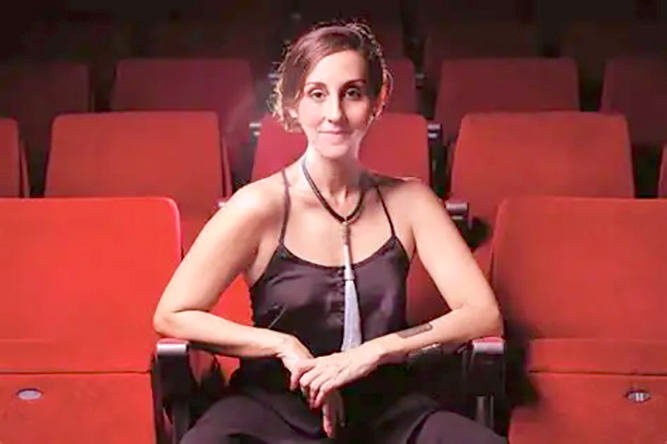
Stephanie Bauger
“Our artists master the classical technique, but also folk and contemporary dance, which makes them versatile and culturally rich,” explained Bauger.
The director commented that Dominican ballet has begun to reflect greater ethnic diversity, breaking with historical stereotypes.
“Although ballet was born in Europe, traditionally linked to white bodies and upper classes, in our country we already see multi-tone skins, which beautifies our dance corps,” she added.
In addition, the General Directorate of Fine Arts has developed multiple initiatives to bring art closer to the general public, including free performances, school presentations, talks, and tours of the country’s interior.
For his part, Edmundo Poy celebrated the growth of Dominican contemporary dance since its emergence in the 80s.
“We already have a National Fine Arts Company, and the public’s acceptance has been magnificent,” he affirmed.
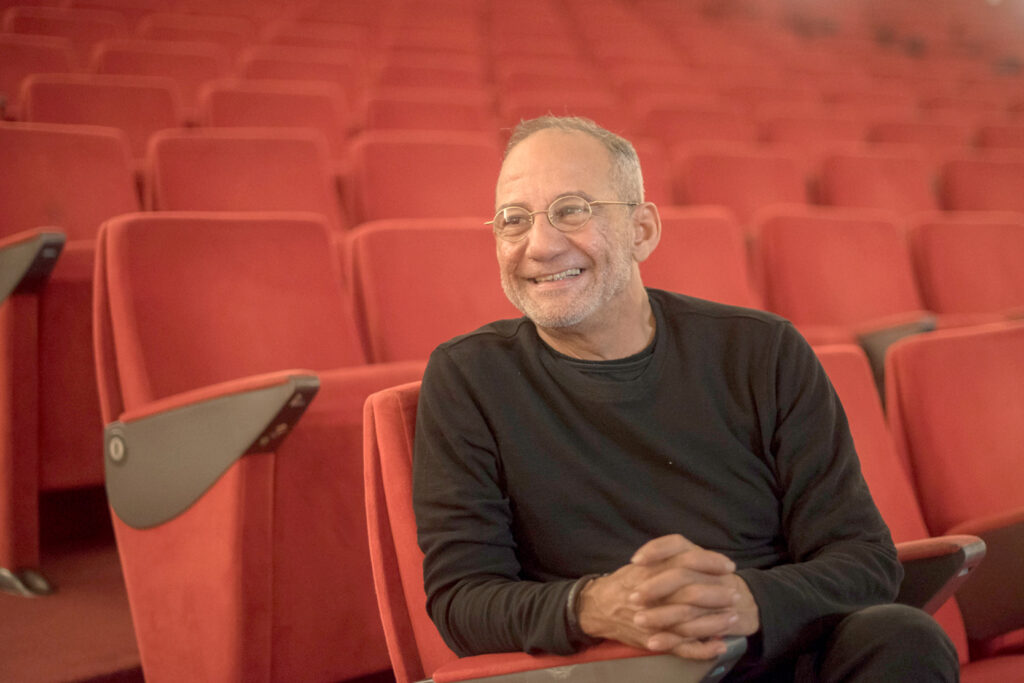
Edmundo Poy
One of the main achievements of the sector has been the consolidation of the International Contemporary Dance Festival (Edanco), which this year celebrates 20 years as a platform for local and international artists. Poy assured that Dominican contemporary dance has developed its own identity. “We have a very particular way of moving, of using our hands, of gesturing. All of that becomes raw material to create a unique Caribbean expression,” he indicated.
The teacher concluded with a direct message to the new generations:
“It’s hard work, but whoever decides to take it on as a profession must do it with passion. Passion is what yields results”.
Thus, between effort and talent, Dominican dance continues to open paths and break down social barriers.