

Bogotá.- Colombia’s president-elect, Abelardo de la Espriella, downplayed his first political defeat, suffered the day before in the election for Senate president, in which Honorio Henríquez, of the right-wing Democratic Center party, prevailed with the unprecedented support of the leftist Historic Pact, of outgoing president Gustavo Petro.
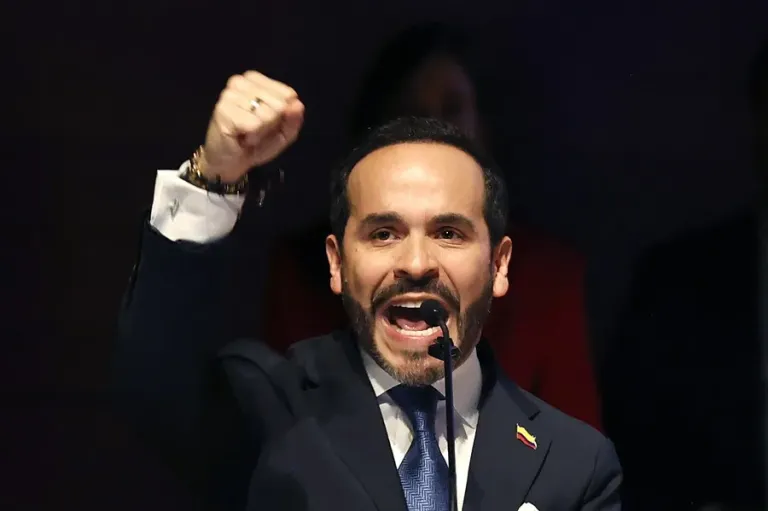
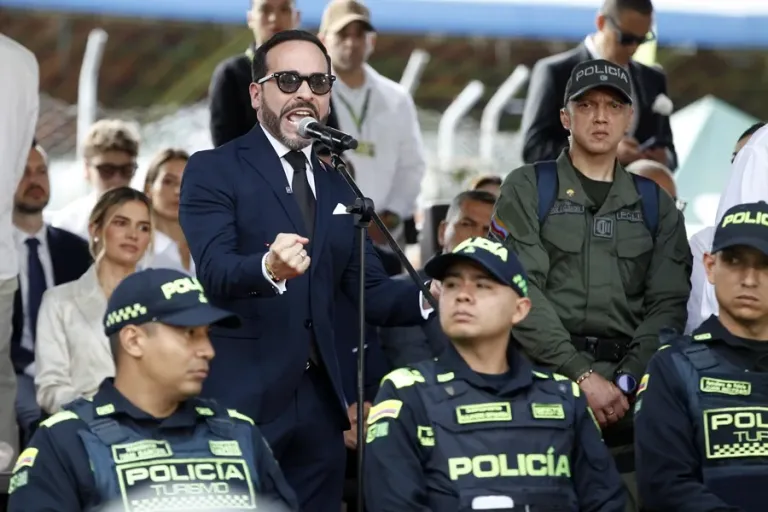
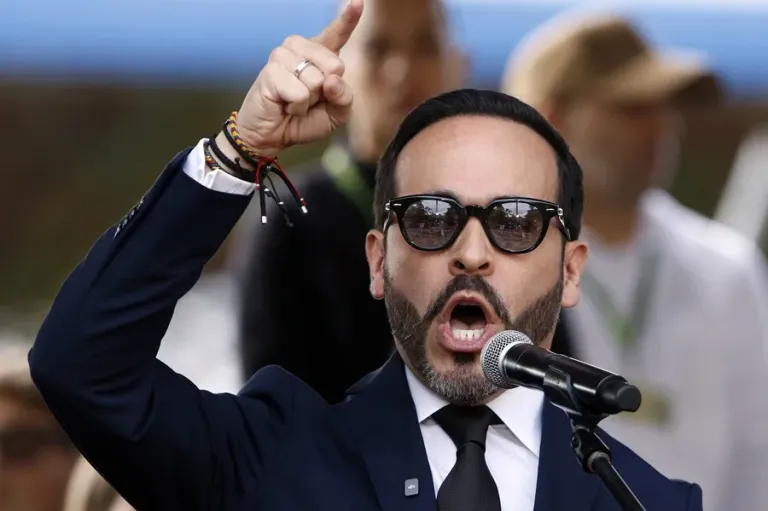
“I fully respect the autonomy of the Congress of the Republic and the independence of the branches of public power. That is why I did not call any congressman to ask for votes, offer positions, contracts, or perks,” De la Espriella asserted on his X account regarding the vote, which took place on Monday after the installation of the new legislative session period by Petro.
In the race for the Senate Presidency for the first legislative year was also Alfredo Deluque, from the U Party and a friend of De la Espriella, who, despite having the support of other political forces, obtained only 45 votes, against Henríquez’s 56.
De la Espriella congratulates the new President of the Senate
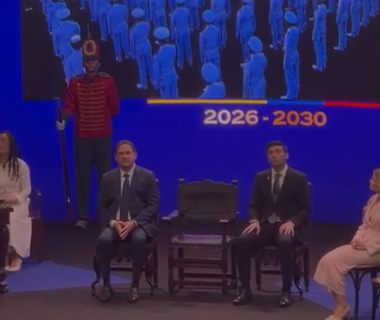
The head of the Senate is in charge of bestowing the presidential sash upon the president-elect on August 7, the day of their inauguration, and also organizes the legislative agenda, a fundamental role when processing bills and prioritizing the Government’s initiatives.

De la Espriella, who has promised not to ally with traditional politicians, stressed that “it had been more than 30 years since the Senate’s board of directors was elected through a free vote and without bureaucratic handouts.”
“I am not a traditional politician. I am here to engage in great politics: that of serving Colombia with transparency, respect for institutions, and absolute commitment to the country,” he added.
The president-elect congratulated Honorio Henríquez on his election, as well as Nicolás Barguil, of the Conservative Party, who was elected president of the House of Representatives with 180 votes in favor and one blank vote.
We recommend reading:

“I wish you the greatest success in the high responsibilities you assume today. I am sure that, from the independence of each corporation, we will find meeting points to promote the initiatives that Colombia needs and make the miracle homeland a reality,” emphasized the president-elect.
The strength of Uribism
The Democratic Center, founded and led by former president Álvaro Uribe (2002-2010), had claimed the presidency of the Senate with the argument that it is the largest right-wing caucus in the Upper House, a tradition that is usually respected at the beginning of each legislative term in the formation of the directive boards.
However, the most striking fact of the election was the support given to the candidacy of the Uribista Henríquez by the senators of the Historic Pact, including former presidential candidate Iván Cepeda, Uribe’s main political enemy.
The Democratic Center and the Historic Pact are engaged in a fierce confrontation at all levels of national politics, which did not prevent the senators of the latter party from supporting the Uribista candidate just to ensure that Deluque would not win, due to his friendship with De la Espriella, whose election is not recognized by Petro, who will lead the opposition to his successor.
Deluque, De la Espriella’s candidate
Although the Democratic Center declared itself from the beginning an allied party of the future De la Espriella government, it did not agree with Deluque’s candidacy to preside over the Senate, arguing that he supported Petro during the four-year term that is about to end, and also due to the unease caused by some comments from politicians close to the president-elect regarding the future of Uribism.
The defeat of De la Espriella’s candidate in the Senate is a warning sign for the president-elect, who will have to work harder on his alliances if he wants to push forward a legislative agenda.
It also depends on Congress whether or not to approve De la Espriella’s idea of assuming office on August 7 at a military garrison outside of Bogotá to “pay tribute to the heroes of the homeland,” and not before the Legislature, an initiative highly questioned due to the logistical and security inconveniences that this entails.