
Jehovah’s Witnesses relax rule on blood and allow transfusions

9:53 pm
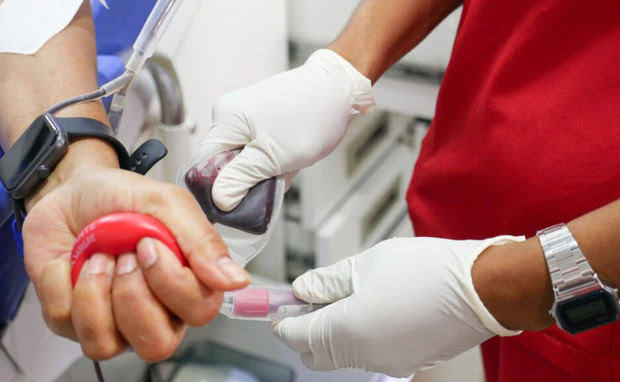
Jehovah’s Witnesses announced a modification in one of their most debated doctrines, now allowing their members to undergo autotransfusions of blood, as long as it has been previously extracted and stored from their own body.
The decision was communicated last Friday by the Governing Body, based in the United States, which described the change as a “clarification” within its religious teachings. The new provision allows believers to opt for medical procedures in which their own blood is reused during surgeries or other interventions.
However, the organization reiterated that the prohibition on receiving blood transfusions from external donors remains in place, a position that has historically characterized this religious denomination.
You can also read: Jehovah’s Witnesses launch a worldwide campaign to inform about the solution that the Bible gives to violence
For decades, the refusal to accept blood transfusions has been one of the most controversial principles of Jehovah’s Witnesses. Based on biblical interpretations that urge to “abstain from blood,” many believers have rejected this type of procedure even in critical medical situations, such as accidents or high-risk surgeries. In some cases, the organization has come to consider martyrs those who chose to maintain this position to the ultimate consequences. Attitude towards medicine Despite this restriction, Jehovah’s Witnesses insist that they do not reject medical care. According to them, their position responds to religious convictions and not to opposition to science or medicine. The organization claims that its members seek quality healthcare and turn to specialists with experience in techniques that avoid the use of blood, highlighting advances in alternative medical procedures. They also maintain that these methods, available in various countries, not only benefit their followers, but also other patients, by reducing risks associated with transfusions, such as infections, immunological reactions, or human errors.
Periodista con experiencia en producción audiovisual y creación de contenido para marcas. Egresada de la UCSD en la carrera de Comunicación Social y estudiante de término de la maestría en Ciencias Políticas y Políticas Públicas.



#Most read
- 1.Lula leads Flávio Bolsonaro in first results of the 2026 Brazil elections
- 2.VIDEO: Tourists stranded with suitcases amid violent protests in Paris
- 3.Leonardo DiCaprio’s “dad bod” sparks discussion about belly fat and health risks
- 4.VIDEO: Cross involved in priest’s death reinstalled at Ecuador church as investigation continues
- 5.Mexican student creates sound-based fire extinguisher and wins gold medal
- 6.Haitian gang leader challenges Bukele as search for missing Salvadorans continues
- 7.Haitian gang Chen Mechan linked to alleged capture of four Salvadoran soldiers in Haiti
- 8.VIDEO: Haiti gang suppression force reports deaths as search continues for four missing Salvadoran soldiers
- 9.Cross falls on a priest inside a temple in Colombia and generates reactions on social media
- 10.VIDEO: Haitian gangs open fire on UN Security Council helicopters in Haiti

Newsletter
Subscribe to our newsletter to receive our latest articles instantly!