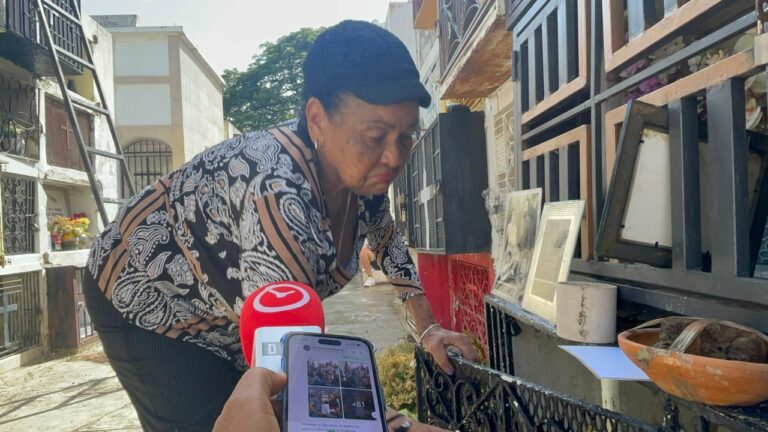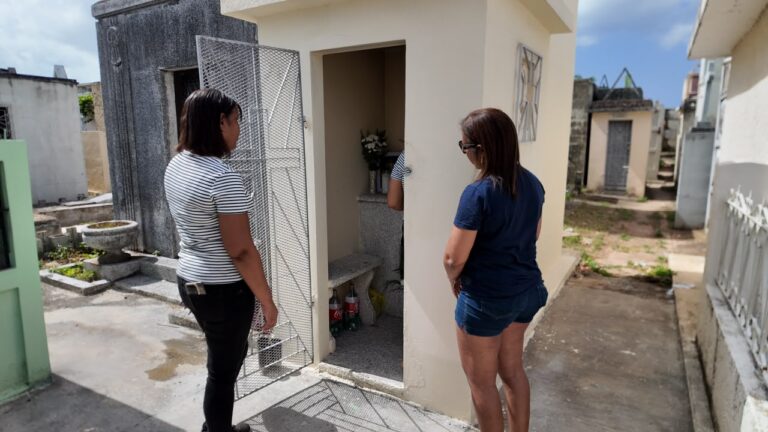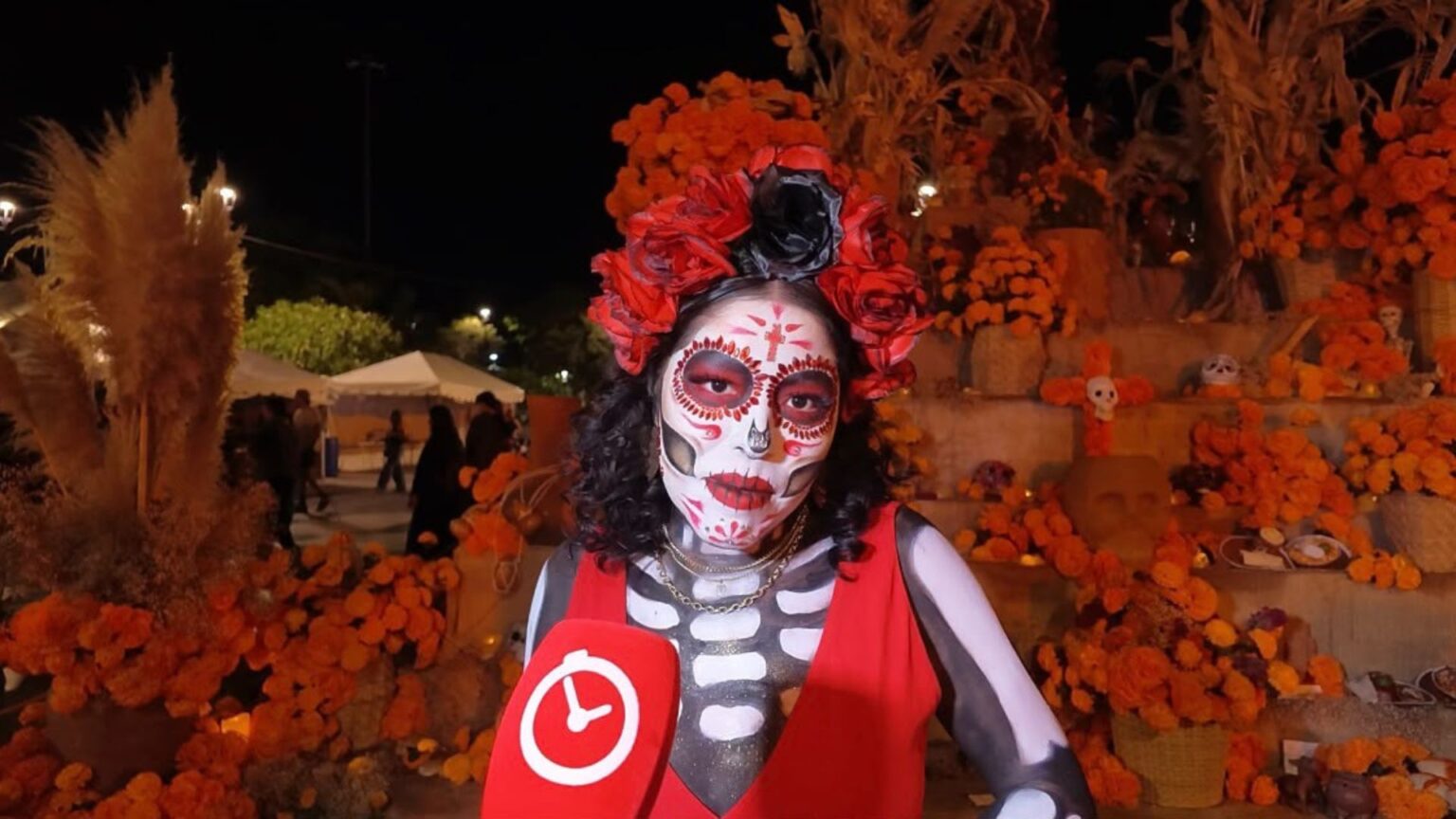

Within the framework of the special coverage of the HEAT Awards Week in Jalisco, Mexico, the De Último Minuto team took to the streets this Monday, November 2nd, to find out what the “Day of the Dead” means to Mexicans, one of the country’s most representative cultural traditions, marked by memories, offerings, and love for family members and loved ones who have passed away.
During a tour through different parts of the region, Mexican citizens shared their experiences and explained why this date holds a special place in their lives. For many, beyond a cultural celebration, the Day of the Dead represents an opportunity to keep alive the memory of those who are no longer physically present, but continue to be present in their homes, their customs, and their hearts.
The responses shared a common sentiment: remembering their loved ones and dedicating a special space to them during this celebration. Some of those interviewed shared that they had already prepared their offerings to symbolically welcome their deceased relatives, including aunts, uncles, grandparents, and siblings, while others also remembered their pets, especially the dogs that were part of their families.
Offerings, a sign of love and remembrance
In Mexico, offerings constitute one of the central elements of the Day of the Dead. In them, families place photographs, candles, flowers, food, and objects that belonged to their deceased loved ones or that they enjoyed in life, as a symbolic way to honor their memory.

This tradition also came to light during the interviews conducted by De Último Minuto, when several citizens explained that they had prepared altars dedicated to their relatives, as a way to preserve the emotional bond with them and pass on their memories to new generations.
Among the people honored, it is not only the closest relatives who are included. The testimonies also reflected that the affection for deceased aunts, uncles, grandparents, and siblings continues to occupy an important place in the lives of those who keep this custom alive.
Likewise, some Mexicans spoke about the place their pets hold within these celebrations. Dogs that shared years of companionship with their families are also remembered in the offerings, a sign that the emotional bonds built with animals can remain even after their death.
A tradition that unites Mexican families
The tour allowed us to learn how this celebration is experienced from the personal perspective of its protagonists. For those interviewed, remembering the deceased does not mean focusing solely on the sadness of their absence, but also celebrating shared experiences and keeping alive the teachings, happy moments, and the affection they left behind.

In Mexican households, the preparation of the offerings becomes a family activity in which different generations participate. While some are in charge of placing the photographs and candles, others prepare food or select the objects that represent the personality and tastes of those being honored.
In this way, the Day of the Dead also functions as a space to share family stories and teach the youngest ones the importance of remembering their roots.
The celebration has a deep presence in Mexican culture and manifests itself in different ways depending on the community and the customs of each family. Marigold flowers, candles, altars, and visits to cemeteries are part of the expressions with which thousands of people pay tribute to their loved ones.
De Último Minuto present in the culture of Jalisco
The day is part of the special coverage carried out by De Último Minuto in Mexico during the HEAT Awards Week, with tours through different locations in Jalisco to show the Dominican audience not only the events related to the music industry, but also the traditions, gastronomy, and cultural expressions of the region.
On this occasion, the voices of the citizens allowed us to approach a celebration that transcends altars and decorated streets: a tradition that invites us to remember those who have departed and to recognize the value of family bonds.
Through their testimonies, Mexicans made it clear that the Day of the Dead represents much more than a date on the calendar. It is an opportunity to honor the memory of their loved ones, share their stories, and keep alive the memory of those who, although no longer present, continue to be a part of their lives.