

The confirmation of two cases of monkeypox in San José has led Costa Rican authorities to activate surveillance protocols and insist that the disease does not pose a high risk of transmission to the general population. The Ministry of Health, together with the Costa Rican Institute for Research and Teaching in Nutrition and Health (INCIENSA), confirmed that the patients are two men aged 25 and 55, residents of the capital. The information, reported by El Observador, indicates that both cases were detected early and that those affected are under medical monitoring and without serious complications.
According to the epidemiologist at the National University (UNA), Juan José Romero, monkeypox—also known as mpox—requires very close and prolonged physical contact to spread, which considerably limits its transmission capacity.
“This is a disease that is very difficult to transmit because it requires very close, intimate, and prolonged contact between a sick person and susceptible individuals,” explained Romero in statements reported by El Observador.
We recommend reading:

The specialist recommended that those who develop symptoms compatible with the disease seek medical attention as soon as possible and notify health authorities to facilitate the epidemiological investigation. “We must remain calm. Our health system can respond in an agile and efficient manner to those who are ill,” the epidemiologist emphasized during the interview. The Ministry of Health reported that, following the notification of the positive results of the two infected individuals by INCIENSA, an inter-institutional technical group was activated, which includes the Costa Rican Social Security Fund (CCSS). The objective is to identify close contacts and apply preventive measures in the community. Authorities insist on the importance of avoiding direct contact with people who show compatible lesions and not sharing personal items such as towels or bed linen during the period of suspicion.
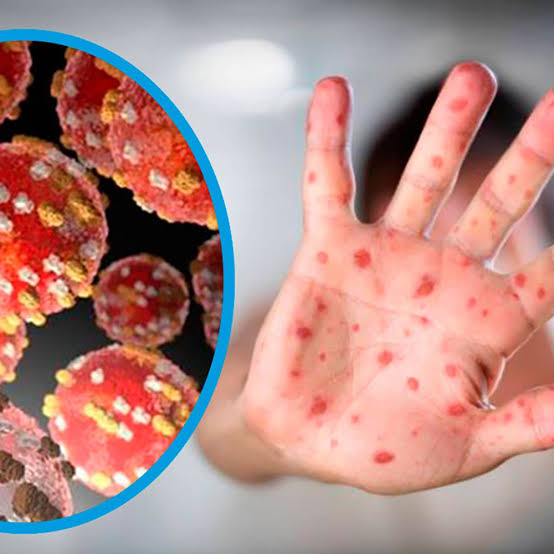
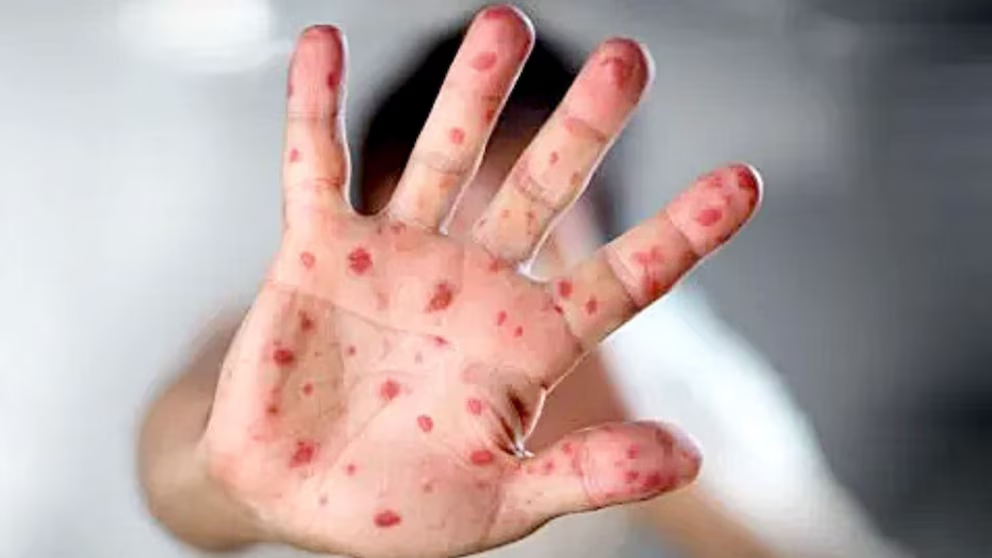
Mpox initially manifests with fever, general malaise, and cold-like symptoms, before the characteristic skin lesions appear, which can occur anywhere on the body. Romero explained that these lesions usually progress to form vesicles, and that the diagnosis must consider a history of travel to countries where the virus is circulating or close contact with infected individuals. Furthermore, he warned that, although a significant portion of infections worldwide occurs during sexual intercourse, mpox is not classified as a sexually transmitted infection. “It is not a sexually transmitted disease, but rather it has to do with close contact,” the specialist clarified.
El Observador cites that the main focus of prevention is to avoid physical contact with people who show symptoms and not to share objects that have been in contact with fluids from the lesions. The Ministry of Health has stressed that hand hygiene and early medical consultation when suspicious symptoms appear are key to breaking potential chains of transmission.
In Costa Rica, monitoring for mpox began in 2022, when the country recorded its first case and became the first in Central America to sequence the complete genome of the virus, as reported by the Ministry of Health. Since then, the epidemiological surveillance system has been strengthened, with specific guidelines for the detection and control of the disease. Between 2022 and 2025, several suspected cases were ruled out through PCR tests, and only sporadic cases have been confirmed, with active surveillance by health authorities.
The appearance of the two recent cases in San José coincides with a regional context of increased vigilance regarding infectious diseases. The Ministry of Health maintains an active inter-institutional network that includes INCIENSA and the CCSS, dedicated to monitoring, sample processing, and care for affected individuals. Authorities have reiterated that the lethality of monkeypox is low, and that the majority of those who contract the disease recover without serious complications.
El Observador reminded that official information regarding monkeypox and preventive actions is available through the Ministry of Health’s institutional channels, and urged the public to consult only reliable sources following the detection of new cases.