
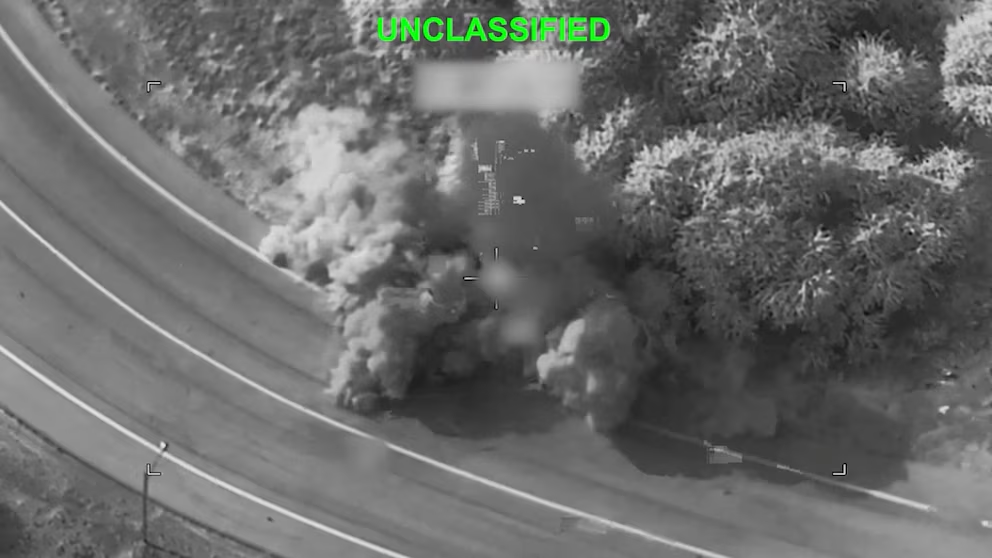

Smoke is seen following an attack at an unknown location during what the U.S. military describes as its latest wave of strikes against Iran, which hit “Iranian military targets such as coastal surveillance and air defense sites, military logistics infrastructure, and maritime capabilities,” in this still image taken from a video distributed on July 16, 2026. U.S. Central Command.
The United States attacked targets in Iran for the seventh consecutive night this Friday, as both powers expand their targets toward civilian infrastructure and the conflict threatens to spill over into an open war across the entire region.
The United States Central Command (CENTCOM) reported that the bombings began at 19:00 GMT and aimed to “continue degrading Iranian military capabilities,” according to a post on X. Among the confirmed targets were bridges in southern Iran, the first time in more than a week that CENTCOM included “military logistics infrastructure” in its list of targets.
We recommend reading:

Iranian state media reported that in the U.S. offensives early Thursday morning, at least five bridges were destroyed in the south of the country. In the port of Bandar Khamir, seven people died and the train station was hit. Further east, an airport in Iranshahr—a province bordering Pakistan—was also struck.
Iranian Foreign Minister Abbas Araqchi confirmed that three villagers died while crossing the Bandar Khamir bridge and warned that Iran will not allow their blood to “be in vain.” Videos verified by Reuters showed debris, broken railings, and a damaged vehicle on the destroyed bridge, as well as a fire.
Iran responded with attacks against Gulf countries that host US air bases: Bahrain, Qatar, and Kuwait. Kuwaiti authorities confirmed that an electricity generation and water desalination plant was hit, causing damage, a fire, and the interruption of a large number of generating units. The Kuwaiti Ministry of Electricity, Water and Renewable Energy indicated that firefighters brought the blaze under control and that technical teams began assessing the damage to restore supply.
The B1 bridge damaged by an attack, as the conflict between the United States and Israel with Iran continues, in Karaj, Iran, on April 3, 2026.

The destruction of a Kuwaiti desalination plant on March 30 had been considered a major escalation that precipitated the first ceasefire of the war, a week later. In Doha, the Qatari capital, explosions were heard and the Ministry of Interior reported that a child was wounded by shrapnel.
The provisional agreement that ended hostilities collapsed on July 7, when Iran attacked vessels in the Strait of Hormuz and the United States responded with airstrikes. Since then, Iran declared the closure of the strait and Washington reimposed its own blockade on Iranian ports.
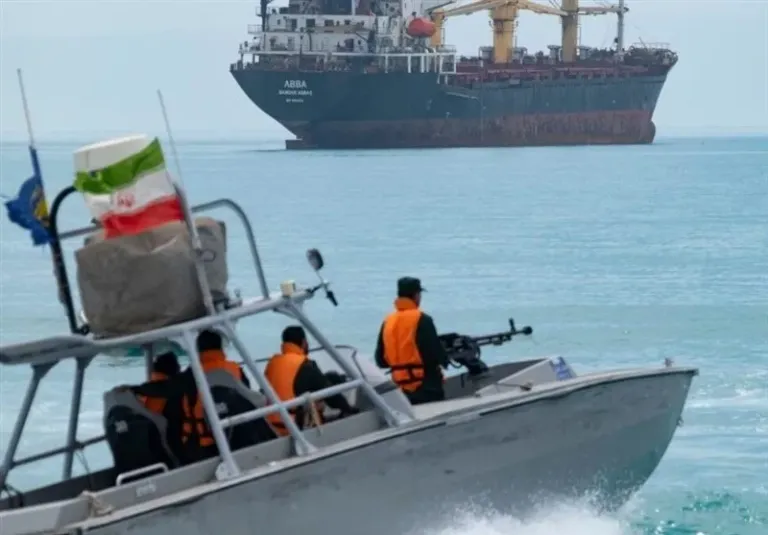
This Thursday, U.S. Marines boarded a tanker near the Strait of Hormuz to enforce the blockade, according to the military, which released photographs of troops rappelling from a helicopter onto the deck of the vessel. The semi-official Iranian agency Tasnim reported this Friday that the Revolutionary Guard “attacked” a Thai-flagged ship attempting to cross the strait, without providing further details. In the Gulf of Aden, armed men boarded and took control of a small chemical tanker off the coast of Yemen, near the entrance to the Red Sea.
A satellite image shows the damage at the Havadarya air base following reported airstrikes, amid the conflict between the United States and Israel with Iran, in Bandar Abbas, Iran, on March 11, 2026.
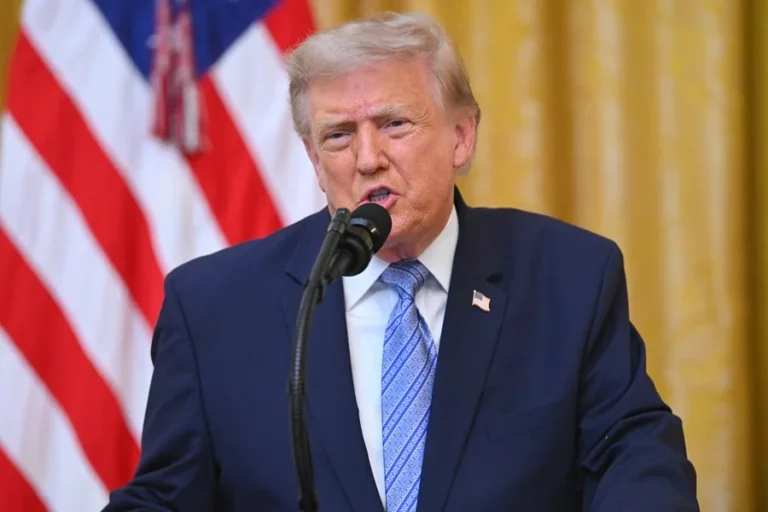
Mohsen Rezaei, an advisor to the Iranian supreme leader and former commander of the Revolutionary Guard, warned this Friday on state television that “if U.S. attacks continue for several more days, we will move to a phase of large-scale offensive operations.” U.S. President Donald Trump has threatened to launch massive bombings against Iranian infrastructure and has not ruled out a ground assault on Iran’s coast or islands.
Iran has signaled that it could order its Houthi allies in Yemen to close the Bab al-Mandeb Strait, at the entrance to the Red Sea, which would cut off the main alternative route for Persian Gulf oil. Sources cited by Reuters indicated that Tehran has already instructed the Houthis to act if Washington attacks Iranian infrastructure.
The Secretary-General of the United Nations (UN), António Guterres, expressed concern over the escalation, particularly regarding the “attacks against civilian infrastructure in Iran and throughout the region,” according to his spokesperson. Brent crude benchmark prices rose 3% following news of the new bombings and are heading for their third consecutive week of gains, while global stock markets fell and Wall Street opened with heavy losses before stabilizing.