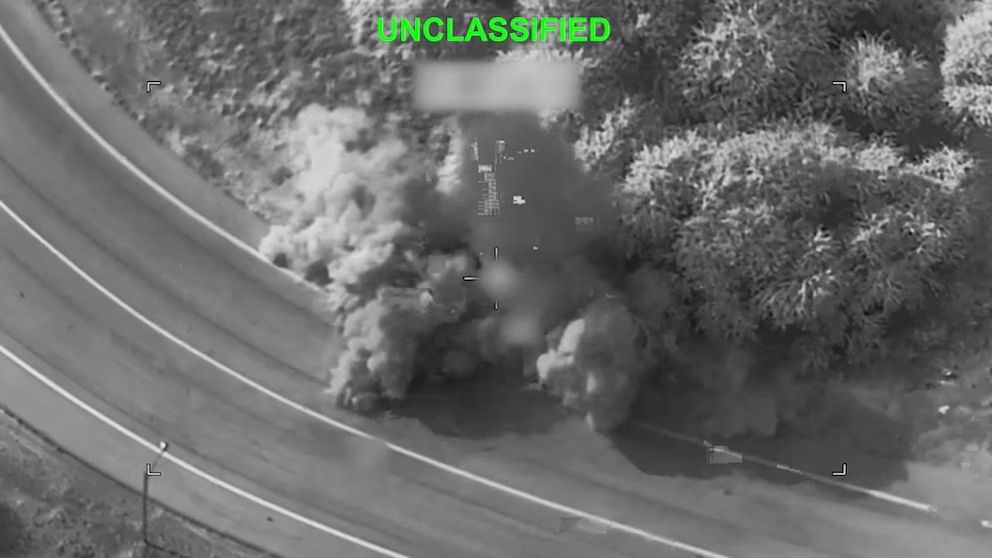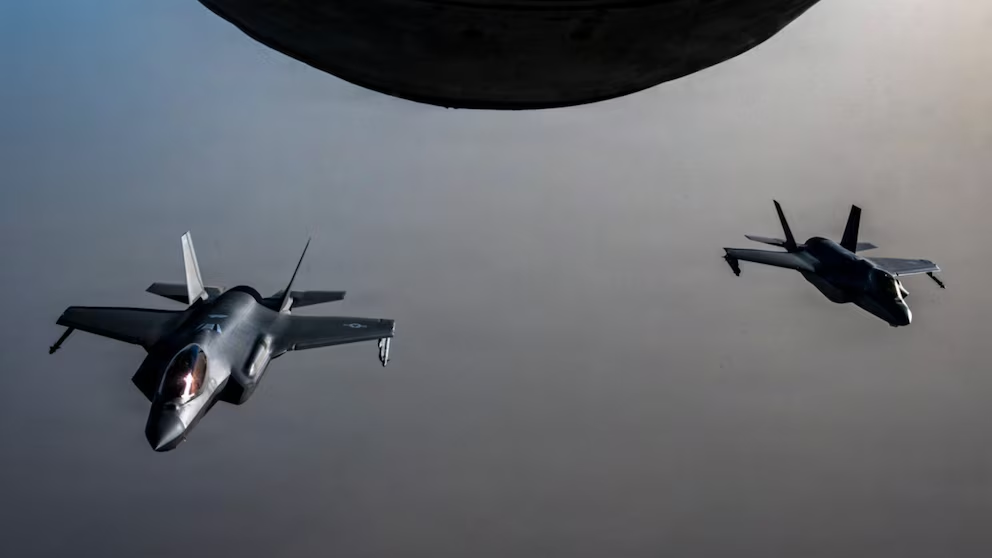



Washington.- The United States Central Command (Centcom) reported this Monday that U.S. forces began a third consecutive night of strikes against Iran by order of President Donald Trump, with operations aimed at imposing “a high cost” on Tehran.
As reported by Centcom on its X account, the airstrikes seek to degrade Iran’s ability to attack civilians and commercial shipping in the Strait of Hormuz, and they began just minutes after Trump stated in an interview that the Persian country would be hit “very hard” this very night.
With force against Iran “tonight” and “tomorrow”
United States President Donald Trump assured this Monday that his country’s armed forces will strike Iran with force “tonight” and “tomorrow,” amidst the resumption of hostilities with Tehran.

“We’re going to hit them very hard tonight and we’re going to hit them very hard tomorrow, and there’s absolutely nothing they can do about it,” Trump declared during an interview with conservative political commentator Hugh Hewitt, and asserted that there are potential military targets identified.
During the interview, Trump stated that among the possible targets was Mount Kolang Gaz La, located in the Isfahan province in central Iran, where the Islamic Republic allegedly has a fourth nuclear facility.
We recommend reading: “We will hit them very hard” tonight and tomorrow, Trump assures when referring to Iran
“It is a possible target for a good and accurate direct shot at the main gate,” Trump responded regarding the possibility of attacking this area.
Trump reactivates the maritime blockade in Iran
Hours earlier, the president said that Washington will resume the blockade of maritime traffic entering and leaving Iranian ports, and that it will go into effect tomorrow, Tuesday, July 14, at 4:00 p.m. Eastern Time (20:00 GMT).

Likewise, he announced the collection of a 20% fee as compensation for the protection of vessels from other countries transiting through the Strait of Hormuz, after re-establishing the naval blockade against Iran.
These measures come after the United States and Iran have exchanged attacks since last week in the Persian Gulf, which meant the breakdown of the ceasefire agreed upon in the memorandum of understanding signed on June 17.