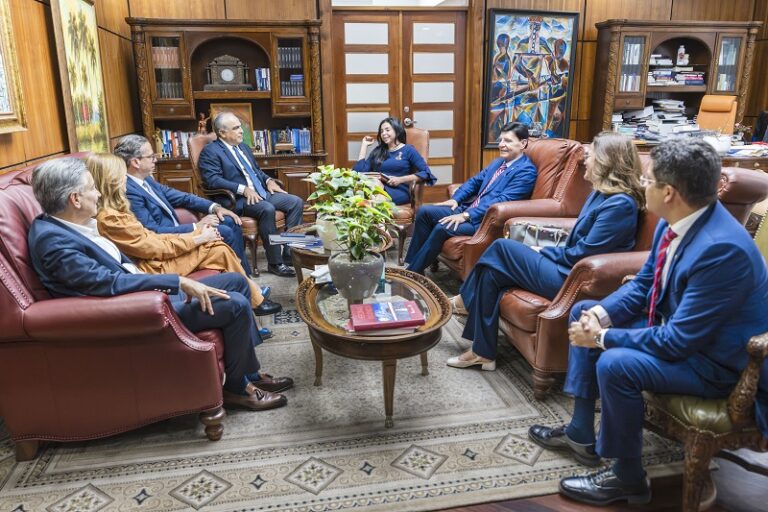

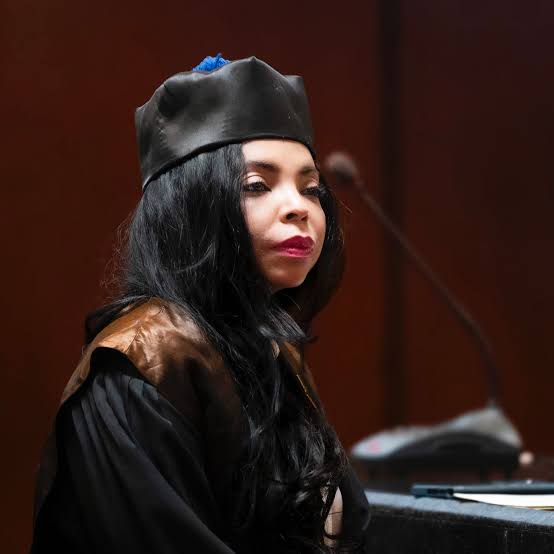

Santo Domingo.– The Attorney General of the Republic, Yeni Berenice Reynoso, clarified this Wednesday that the creation and publication of memes, caricatures, parodies, satires, videos, or images for journalistic, artistic, humorous, or social criticism purposes does not constitute a crime in the approved Penal Code nor within the framework of its reform.
The clarification was made through the document “Clarifications on the approved Penal Code and its reform”, released by the Attorney General’s Office, in light of the interpretations that arose regarding the scope of the new legislation.
The institution explained that these communicative expressions are protected by freedom of expression and artistic creation, provided they are clearly identifiable as works of creation or fiction, do not have the purpose of deceiving the public for illicit ends, and do not infringe upon the integrity of children and adolescents.
Likewise, he recalled that the principle of legality establishes that conduct can only be criminally sanctioned when it is expressly typified in the law, which is why he considered extensive interpretations or interpretations by analogy to the detriment of a person to be inadmissible.

The Attorney General’s Office also specified that criminal law only sanctions intentional or negligent actions or omissions and stressed that the alteration of videos or audio for the purpose of causing harm to a person should not be confused with the creation of memes, caricatures, or parodies as manifestations of freedom of expression and artistic creation.
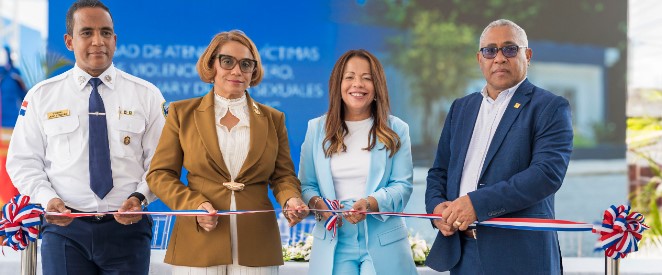
We recommend reading: The Attorney General’s Office inaugurates a Comprehensive Access to Justice Center in Bahoruco
The document, signed by the Attorney General of the Republic, Yeni Berenice Reynoso, seeks to clear up the doubts that have arisen regarding the interpretation of the approved Penal Code concerning expressions protected by freedom of speech and artistic creation.