


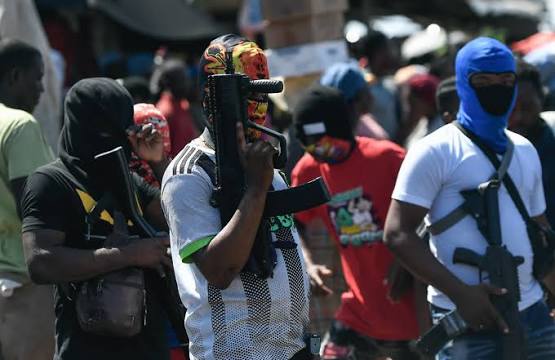
Deputies from different political organizations expressed their concern over the revelations of a report by the United Nations Panel of Experts on Haiti, which documents the presence of ammunition originating from the Dominican Republic Army and other ammunition compatible with National Police stocks in the possession of the Haitian criminal gang 400 Mawozo.
The legislators agreed on the need to deepen the investigations, determine how these munitions reached Haitian territory, and establish responsibilities in light of the possibility that there are networks of complicity linked to the trafficking of arms and ammunition on the Dominican-Haitian border.
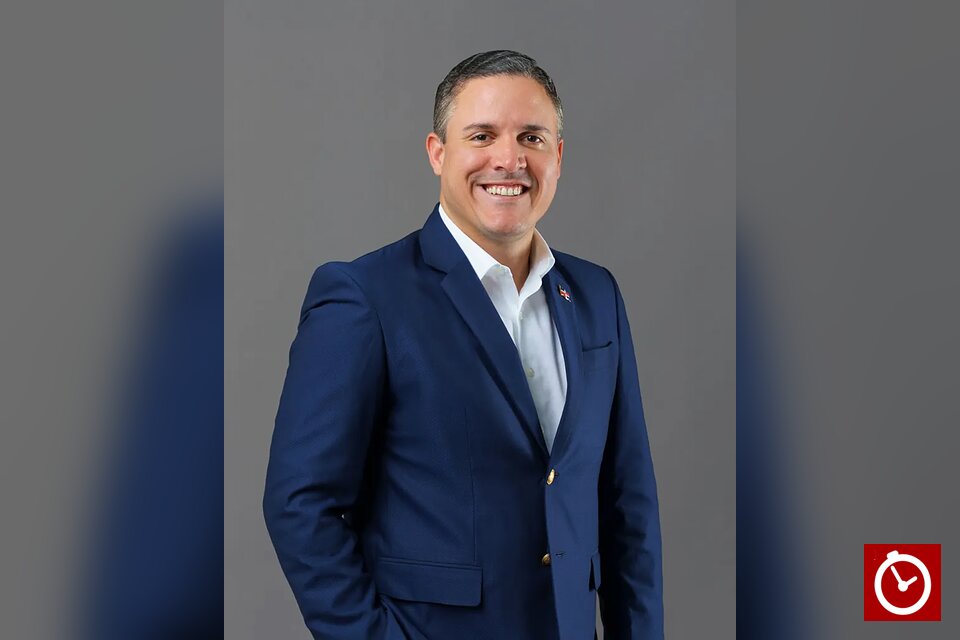
Deputy Charlie Mariotti described the revelations as a serious accusation that requires a thorough investigation before establishing responsibilities.
“It is a very serious accusation, we have to thoroughly investigate this report and really verify how much truth it holds. And if it is proven, those responsible must be identified and there must be consequences,” he stated.

Mariotti insisted that authorities must guarantee effective border control, both for people and goods entering and leaving the national territory.
“We cannot be part of the problem that exists on the other side. The border is not where the Dominican Republic ends, the border is where the country begins,” he emphasized.
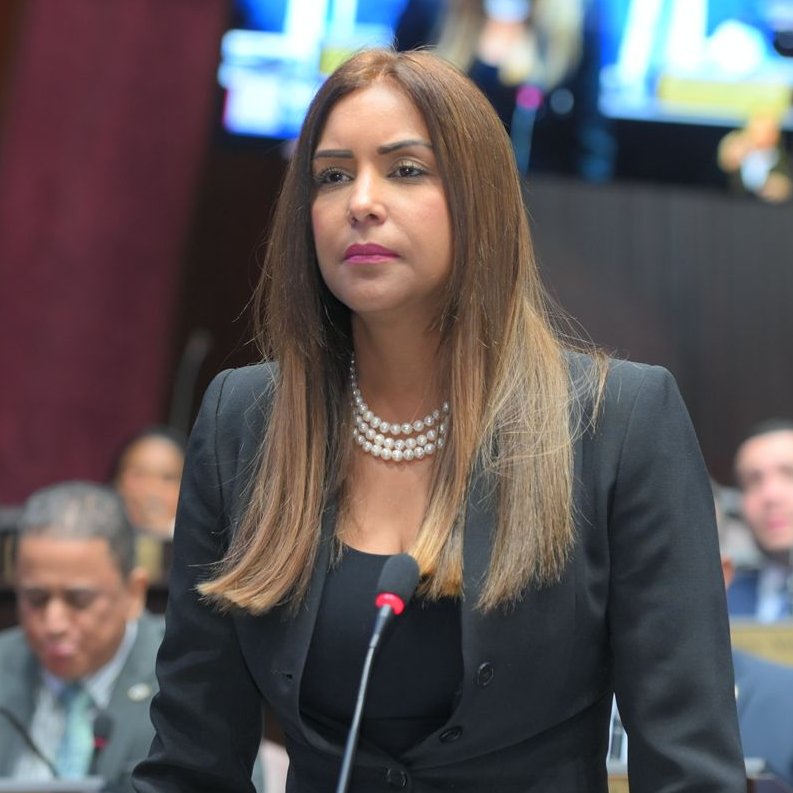
For her part, Deputy Kenia Felicia Bidó considered it essential that the authorities investigate the complaints, although she called for avoiding premature conclusions that could cause alarm among the population.
“We cannot speak of treason against the country when we do not know all the details. We must first know the details before we speak of treason against the country,” he maintained.
The legislator expressed her confidence that the Dominican Government and security agencies will conduct the corresponding investigations and adopt the necessary corrective measures.
Likewise, he warned that information must be handled responsibly, without minimizing the seriousness of the allegations or attributing responsibility without sufficient evidence.
Questioning border controls and possible networks of complicity
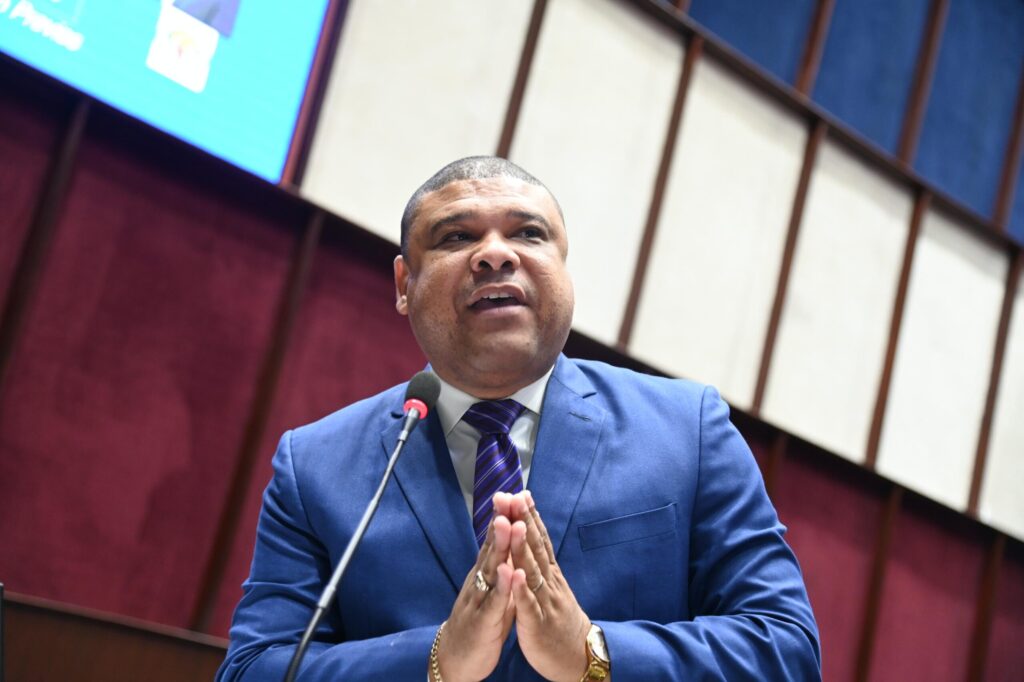
In a more critical position, Deputy Ramón Raposo maintained that the revelations highlight the weaknesses that, in his view, persist in border surveillance mechanisms and in the fight against networks dedicated to illicit trafficking.
“Until the sectors of power and the Government assume the political will to directly attack the mafias that thrive on the Haitian trafficking, unfortunately we are going to see cases like these,” he stated.
Raposo questioned that, despite the controls and searches carried out at the border, situations continue to be recorded that point to possible connections between Haitian criminal organizations and sectors within Dominican territory.
The congressman considered that the construction of border infrastructure will not be enough if the alleged corruption networks that facilitate these activities are not addressed.
Meanwhile, the president of the Chamber of Deputies Defense Committee requested that the Ministry of Defense and intelligence agencies expand investigations to determine if there are other military personnel involved in the arms trafficking.
The legislator referred to the arrest of a Dominican officer and a Haitian citizen in the San Juan province, linked to the transport of shotgun cartridges, and maintained that the authorities must determine if the case involves a broader structure.
“A single soldier cannot do it alone,” he stated, raising the possibility that there are others involved, even of higher rank.
Likewise, he requested that those responsible be identified and brought to justice, considering that the trafficking of ammunition to Haiti represents a threat to national security.
For her part, Deputy Selinée Méndez questioned the effectiveness of the investments aimed at strengthening border security and demanded explanations regarding the origin and destination of the identified ammunition.
“That was a rumor. We have always heard those things, but it is no longer a rumor, we now have proof,” he stated.
Méndez considered it worrying that, despite the resources invested in border surveillance, reports of corruption and illicit trafficking persist.
“How did those weapons reach the neighboring country? Who did they belong to? Who is behind that?”, he questioned.
The legislator also demanded that the authorities provide formal statements regarding the findings and explain the measures taken to prevent weapons or ammunition from Dominican institutions from ending up in the hands of criminal organizations.
United Nations Report
The reactions from congressmen arise in relation to provisional report S/2026/241, presented on March 27, 2026, to the United Nations Security Council.
The document contains the results of analyses performed on ammunition recovered during 2025 from the Haitian gang 400 Mawozo, one of the criminal organizations operating in the neighboring country.
According to the findings described, part of the ammunition came from the Dominican Republic Army, while other parts presented characteristics compatible with ammunition diverted from the stocks of the Dominican National Police.
However, identifying the origin of the ammunition does not by itself establish who diverted it or the circumstances under which it reached the criminal organization.