

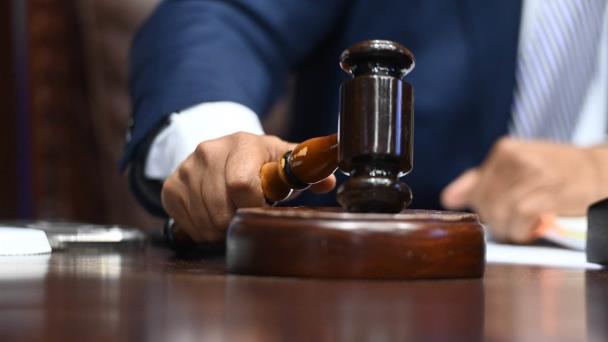

Santo Domingo.– With the entry into force this Monday of the new Penal Code of the Dominican Republic, legislators positively assessed the new regulations, considering that it responds to the current needs of the justice system and will allow for addressing crimes that were not contemplated in the previous legislation.
Deputy Elías Wessin Chávez stated that, although no law is perfect, the new Penal Code represents an important step forward for the country.
You may be interested in: New Penal Code toughens penalties for administrative corruption
“No human work is perfect, but this is a code that responds to the needs of criminal law for this era. It was very well crafted; it has some typographical errors that need to be corrected, and that will be seen in daily practice,” he/she expressed.

The legislator also highlighted the creation of the monitoring commission established by President Luis Abinader through decree 507-26, which will be headed by the former president of the Constitutional Court, Milton Ray Guevara.
“The president appointed a follow-up commission led by Milton Ray Guevara, a person who deserves all respect for his capacity and trajectory. Things are going well,” he maintained.
For his part, Deputy Tobías Crespo called for celebrating the entry into force of the new legislation and expressed his confidence that it will contribute to improving judicial decisions and the fight against crime.
The congressman highlighted that the Code incorporates more than 70 new criminal offenses that did not exist in the previous legislation, which will allow for the prosecution of conduct that was not previously criminalized.
Likewise, he considered that the application of the new regulations must be accompanied by public policies aimed not only at the punishment of crimes, but also at the rehabilitation of convicted persons, with the goal of reducing recidivism.
“We hope that this code will allow for the decongestion of the justice system, reduce judicial backlog, and achieve less lengthy and costly processes for citizens,” he stated.
The legislator added that the population’s main expectation is that the new legislation strengthens the judicial system and guarantees fairer decisions for victims and for society as a whole.
“I believe that the great aspiration of the Dominican people is for this code to improve justice and, above all, the decisions that come out of the courts,” he concluded.
Starting this Monday, August 3, 2026, the new Penal Code of the Dominican Republic officially enters into force, initiating a new stage in the country’s criminal justice system with the application of legislation that incorporates new criminal offenses, toughens and updates penalties, and adapts the legal framework to current realities.
With the implementation of the regulation, judges, prosecutors, and other justice system operators must apply the new provisions in the corresponding proceedings, following the conclusion of the one-year vacatio legis period established for institutions to adapt their procedures to the new legislation.