

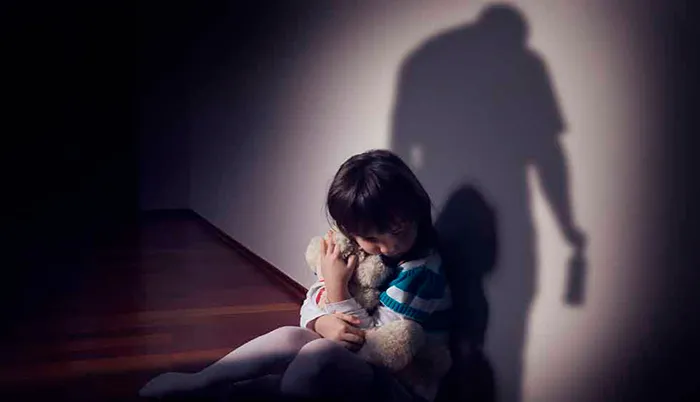

Santo Domingo.– 54.9% of children between 1 and 14 years old in the Dominican Republic have experienced some violent method of discipline, according to data cited by the United Nations Children’s Fund (Unicef), which warned about practices and gender norms that can limit girls’ autonomy from an early age.
In a statement issued this Thursday, on the occasion of the International Day of the Girl, which is commemorated on October 11, the organization called for questioning daily behaviors that, under the guise of care or protection, can become mechanisms of control.
Read more: SNS and UNICEF strengthen Kangaroo Mother Care with medical equipment valued at more than RD$5.4 million
Unicef noted that child violence can manifest through physical punishment, psychological aggression, and demands related to the appearance, behavior, or responsibilities assigned to girls.
The organization collected the testimony of María Almonte, a name used to protect her identity, who was six years old when a hair-styling routine turned into an episode of violence that she still remembers.

“My mommy always parted my hair with a comb and then took a curling iron to smooth it down. One day she pulled it so hard that I twisted my face (…) she hit me with the curling iron on my head and that hurt me much more,” recounted María, who is currently 13 years old.
According to Unicef, the problem does not lie in choosing a hairstyle or caring for hair in a certain way, but in imposing these practices through hitting, pulling, insults, or psychological pressure.
Child violence in figures
According to data from the National Multiple-Purpose Household Survey (ENHOGAR-MICS 2025) cited by UNICEF, 54.9% of children between 1 and 14 years old have experienced violent discipline, whether through physical punishment or psychological aggression.
Among children aged 3 and 4, the proportion rises to 61.4%, according to the results mentioned by the organization.

These figures reflect the incidence of violent parenting methods in the child population, although the percentages correspond to both boys and girls.
Gender norms
Unicef explained that gender norms can also manifest in the unequal distribution of household chores, restrictions on mobility, and expectations related to girls’ appearance.
These practices can reduce the time available for studying, playing, and developing personal interests, in addition to progressively limiting their ability to make decisions.
The Unicef representative in the Dominican Republic, Carlos Carrera, stated that girls have the right to grow up free from violence and stereotypes that condition “who they can be, how they should look, or what decisions they can make.”
Child violence and autonomy
The agency warned that restrictive gender norms can affect the opportunities and autonomy of adolescent girls, in addition to being linked to risks such as early unions and adolescent pregnancy.
In that context, Unicef insisted on the importance of reviewing parenting practices and behaviors that can normalize child violence, especially those that are presented as forms of protection or discipline.
The call comes on the eve of the International Day of the Girl Child, a date that the organization uses to raise awareness about the situations that affect the rights and opportunities of girls.