Elián González was born on December 6, 1993, in Matanzas, Cuba. His life took a dramatic turn at the age of six, when he became the protagonist of one of the most tense and media-covered episodes in the relations between the United States and Cuba at the end of the 20th century.
On November 21, 1999, Elián was found floating in an inner tube near the coast of Fort Lauderdale, Florida. He had survived the shipwreck of a precarious boat that was trying to reach the United States from Cuba. His mother, Elizabeth Brotons Rodríguez, died during the crossing along with other people. Elián was rescued by fishermen and handed over to relatives in Miami, who immediately placed him at the center of an international dispute.
The family members of the child in Florida, who were part of the anti-Castro Cuban exile, advocated for his stay in the United States, alleging that his mother had died seeking freedom for her son. However, in Cuba, his father, Juan Miguel González, demanded the child’s return, arguing that he had been taken out of the country without his consent. The Cuban government, led by Fidel Castro, supported the father’s claim and turned the case into a national cause, organizing protests and massive mobilizations on the island.
The conflict quickly escalated at the diplomatic and legal level, while in Miami demonstrations were held to prevent Elián’s return to Cuba, the United States Department of Justice determined that the father was the only one with the right to decide the child’s fate.
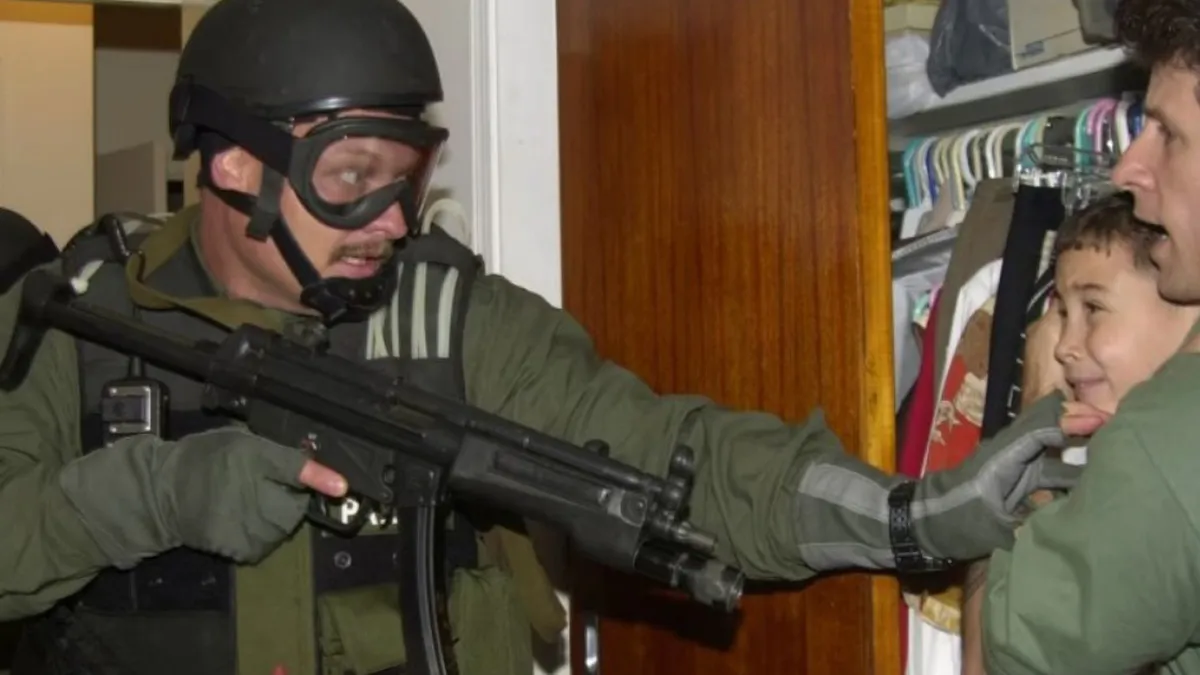
The refusal of relatives in Miami to hand him over led to an operation by the Immigration Service on April 22, 2000. Images of the operation, where armed agents removed Elián from his relatives’ house, went around the world and marked a key moment in the case.
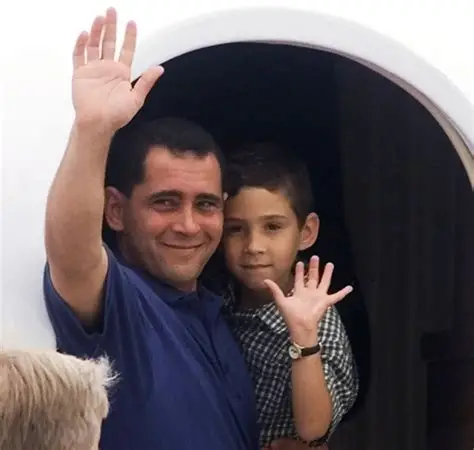
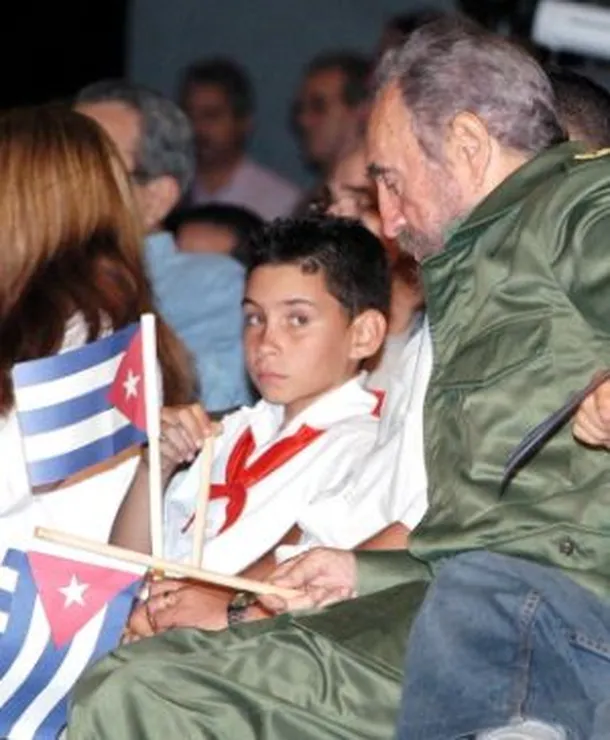
After being reunited with his father, Elián returned to Cuba on June 28 of the same year. He was received as a hero in his country, with official events, school tributes, and constant public attention. Throughout his childhood and adolescence, he remained away from the international media, under the protection of the Cuban State.
González in his adult life:
Elián became an industrial engineer, graduating in 2016 from the University of Matanzas. In subsequent interviews, he has expressed his gratitude towards Fidel Castro, whom he considers a paternal figure, and has defended the Cuban Revolution. In 2023, he was elected as a deputy to the National Assembly of People’s Power of Cuba, consolidating his role within the island’s political system. His candidacy was part of the single list of 470 candidates presented by the Communist Party of Cuba, which was elected without competition.
The case of Elián González left a deep mark on the contemporary history of Cuba and the United States. Not only did it expose the human drama behind forced migrations, but also the political, ideological and cultural tensions between two countries that for decades have had a relationship marked by conflict.
Hoy, Elián representa, para muchos, el símbolo de una historia aún no resuelta entre nación, exilio y soberanía.
“El Balserito” Elián González y la historia que dividió dos países“El Balserito” Elián González y la historia que dividió dos países