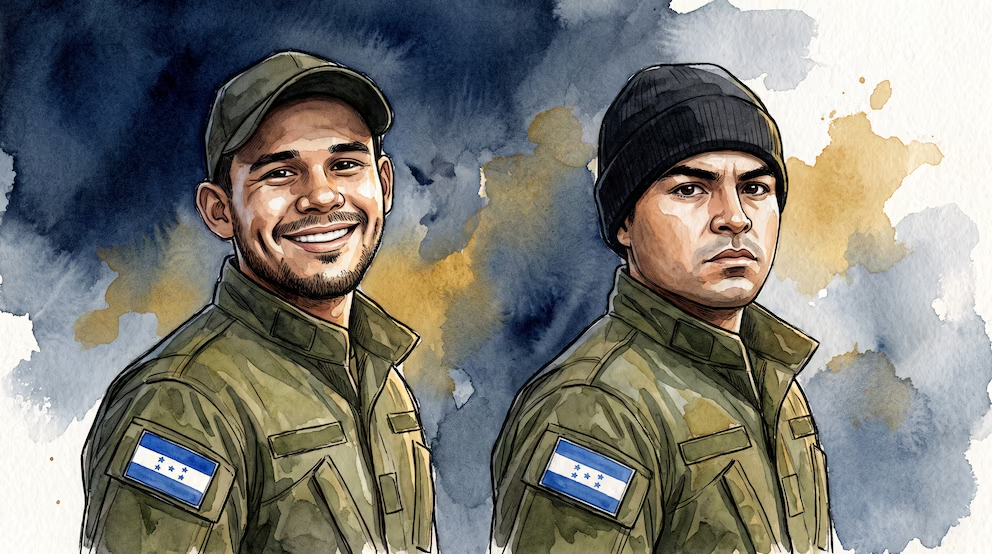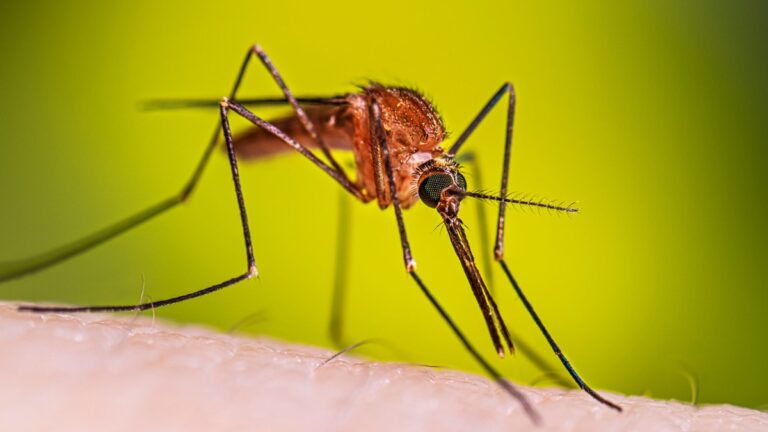

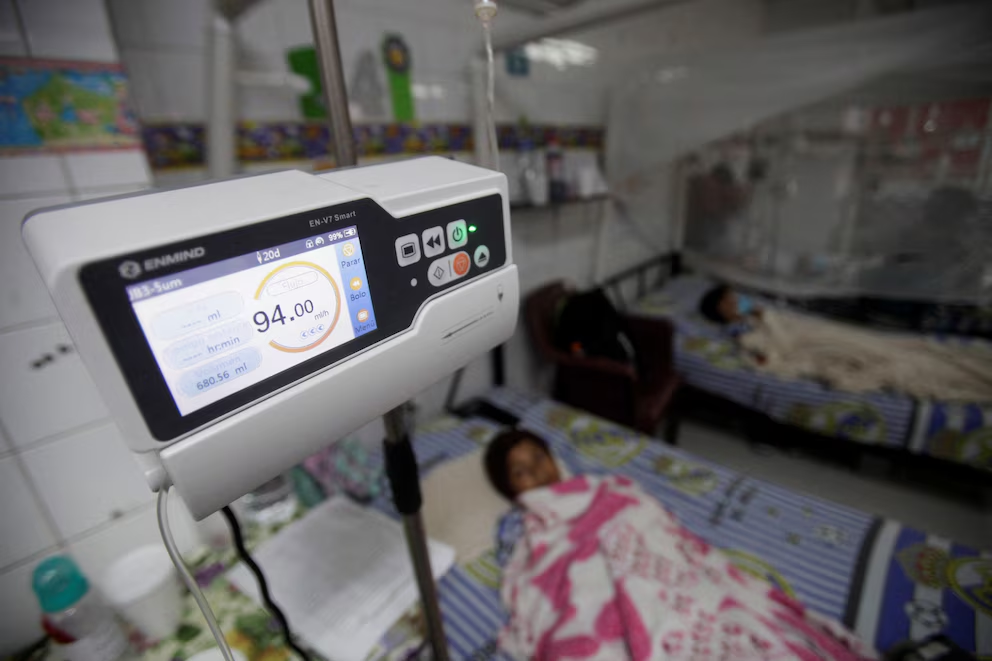

The Central District continues to be the area with the highest incidence of dengue in Honduras, with adolescents and young adults as the groups most affected by the disease, according to the director of the Hospital Escuela, Darío Zúniga. Added to this situation is the health sector’s concern over the increase in cases of measles and whooping cough, conditions preventable through vaccination.
The director of the country’s hospital center explained that, following the monitoring of the patients treated, a greater vulnerability to dengue has been identified among adolescents and young people, sectors of the population that account for a significant portion of the cases registered in the Honduran capital.
According to figures from the Ministry of Health (Sesal), Honduras has accumulated to date 5,064 cases of classic dengue and 89 cases of severe dengue, a situation that keeps health authorities under surveillance due to the behavior of the disease and the risk of complications in patients who develop severe symptoms.
The Central District continues to be considered the main focus of dengue transmission in the country, concentrating 1,184 cases, equivalent to 24% of the national total. After this area, the department of Choluteca also records a high incidence of infections.

Given this situation, health authorities continue to call on the population to reinforce prevention measures, especially the elimination of breeding sites for the mosquito that transmits dengue, proper water storage, and early attention to symptoms such as fever, muscle pain, general malaise, and warning signs.
We recommend reading:
Honduras’ healthcare system is also facing an increase in measles and whooping cough due to new cases of vaccine-preventable diseases.
In addition to dengue, the healthcare system faces the challenge of an increase in diseases that can be prevented through complete vaccination schedules, including measles and whooping cough, conditions that have generated concern due to the appearance of new cases in the national territory.
For Dr. Carlos Umaña, part of the increase in these diseases is attributed to the lack of compliance with childhood vaccination schedules, noting that some parents have stopped going to health facilities to administer the corresponding doses to their children.
According to data shared by the physician, Honduras currently records 12 confirmed cases of measles and 15 deaths associated with whooping cough, diseases that can pose a high risk mainly to children who do not have the necessary protection.
Umaña recalled that the Ministry of Health keeps vaccines against both diseases available and questioned the resistance of some sectors of the population motivated by beliefs or false information related to the effects of the vaccines.
Honduras records 12 confirmed cases of measles and 15 deaths associated with whooping cough, while the Health Ministry insists on completing vaccinations.
The specialist emphasized that scientific studies have demonstrated the safety of immunization processes and stated that vaccination represents a fundamental tool to avoid serious complications and reduce mortality caused by infectious diseases.
Health authorities reiterated that prevention remains the main strategy to contain these conditions, urging the population to visit health centers, complete vaccination schedules, and remain vigilant for any warning signs.
The call remains especially directed at parents, young people, and communities with the highest number of cases, with the goal of reducing the transmission of diseases and preventing hospital services from facing greater pressure during the epidemiological season.