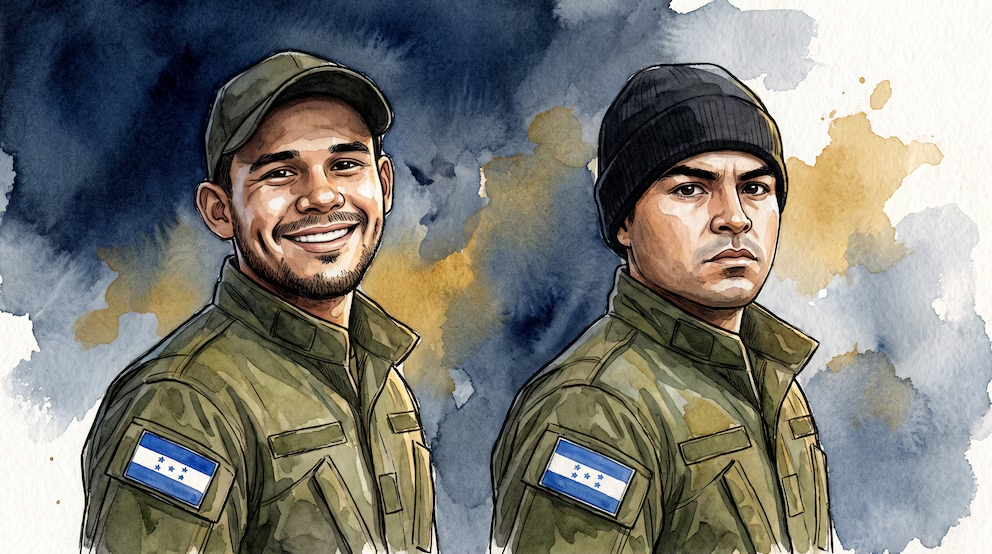
The recruitment of Central and Latin Americans for the armed conflict between Russia and Ukraine has become a silent nightmare for dozens of families.
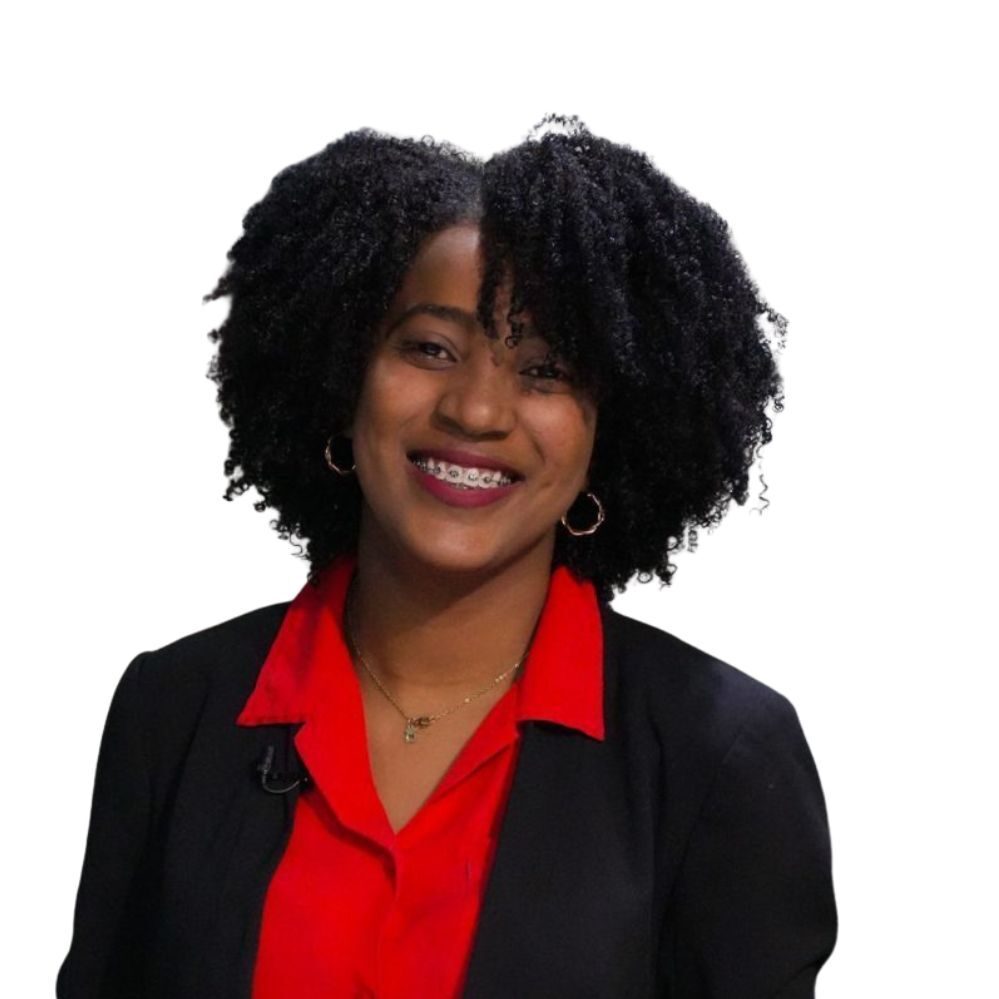
Through exclusive interviews with Infobae, Gabriela Sandoval and Rocío Medina broke their silence to recount, from two completely different realities and cases, how their respective Honduran brothers were dragged thousands of kilometers from home, trapped in a web of deception, opacity, and war.
You might be interested in: MIREX alerts Dominicans regarding job offers to travel to Russia
The drama of Honduran recruitment in Russia does not follow a single pattern, but it does share the same trigger: the economic vulnerability of families desperately seeking a way out. While Gabriela Sandoval’s brother left, seduced by million-dollar offers on the internet, the case of Rocío Medina’s brother reveals an even crueler variation of the deception.
Medina commented to Infobae that the decision of his brother, Wilfredo Lemuel Medina Zelaya (36 years old), to leave for Russia was driven by economic suffocation and the urgency to pay for the medical treatment of his two-year-old daughter, who suffers from severe convulsive episodes.
More Read

As Rocío told this media outlet: “My brother was indeed deceived; he was even told he was going to a company related to the construction of harpoons, the manufacturing of fishing harpoons. But once he was there, it turned out they sent him to the army.”
This fake job offer was the perfect hook to snatch him from his home in El Progreso, intertwining his fate with that of other compatriots like Gabriela’s brother who ended up trapped under the same war machine on Russian territory.
The departure process was dizzying. The travel intermediaries were identified by the family as alleged recruiters of Colombian origin named Dani and Dayana. The young man communicated his departure only three days before boarding the plane:
More Read
His journey included stopovers in Panama and Istanbul before landing on Russian soil at the beginning of May. Once there, he was stripped of his money and initial income and subjected to fifteen days of isolation in precarious food conditions. They confiscated his mobile phone and forced him to sign documents in the Russian language that he could not understand.
The last time he communicated with his wife was on July 10, 2026. Emotionally affected and aware of the imminent danger, he managed to convey his final destination: “He told her that apparently they were going to send him to the Eastern Battalion, to the Donbas… which is the hottest zone.” Since that call, the Medina family has not had any news about his status or whereabouts.
The case of Gabriela Sandoval: the millionaire offer on the internet and the contract in Russia
The second case is that of Gabriela Sandoval’s brother, Héctor Gabriel Sandoval Zuniga, 31 years old, originally from San Ignacio, Francisco Morazán, and father of a three-year-old girl. In his case, the contact was not through a fishing job offer, but rather through an internet portal where he was offered a contract with extremely high sums of money.

Gabriela detailed the economic promises that seduced her brother: “It said here: initial payment fifteen thousand six hundred USD… Monthly salary from three thousand eighty-eight… Combat zone bonus thirty thousand per day… Compensation for injury or death up to one hundred fifty thousand.”
Although the family tried to dissuade him after learning of the proposal, the young man made the decision to travel alone on May 4, 2026, following a similar transit route through Panama and Turkey until arriving at Kazan International Airport, in Russia.
During his first weeks in Russian territory, the young man kept brief daily calls with his family while performing morning training. However, the obstacles to downloading the application required by the recruiters to send money to Honduras led to the forced signing of paper documents.
More Read
The turning point occurred a month after his arrival. On June 15, 2026, he sent a final message that set off all the alarms in the Sandoval household:
“Today they separated me from the group of colleagues. I don’t know if they are going to leave me in some workshop or who knows, because they even took my weapon away.” That text represented the last interaction. After that date, all trace of his whereabouts was lost.
The background of the April escapes and the human trafficking network
The cases of Rocío and Gabriela’s brothers are not isolated incidents. Just as these young people were making their journeys at the end of April and the beginning of May, news was resonating in Honduras about five Hondurans who managed to escape from training camps in Russia after realizing they would be sent to fight on the front lines. On that occasion, the Honduran Foreign Ministry managed to intervene for their repatriation.
However, for Gabriela and Rocío, the institutional path has been extremely exhausting. After 15 days without communication, the Sandoval family went to the Foreign Ministry on June 30th to file the corresponding complaint. There, the initial response was blunt regarding the portal where the young man had registered:
“When we went to the Foreign Ministry… they told us there that that page was a human trafficking page.” Despite this admission, the authorities have argued legal limitations to act, pointing out that the signing of military contracts prevents access to information because it is classified as “confidential” by the Russian government.
Without clear answers and facing diplomatic secrecy, both Gabriela Sandoval and Rocío Medina have decided to coordinate efforts with international committees for the search of Latin American citizens missing or imprisoned in the Russian-Ukrainian conflict.
In this exclusive interview with Infobae, both sisters make an urgent appeal to the Government of Honduras and the diplomatic corps to activate extraordinary humanitarian verification channels.
Their demand is clear: to determine if their siblings are alive, if they are in medical care facilities or in prisoner-of-war camps, and to coordinate the necessary diplomatic efforts to rescue them from the war and bring them back home.