
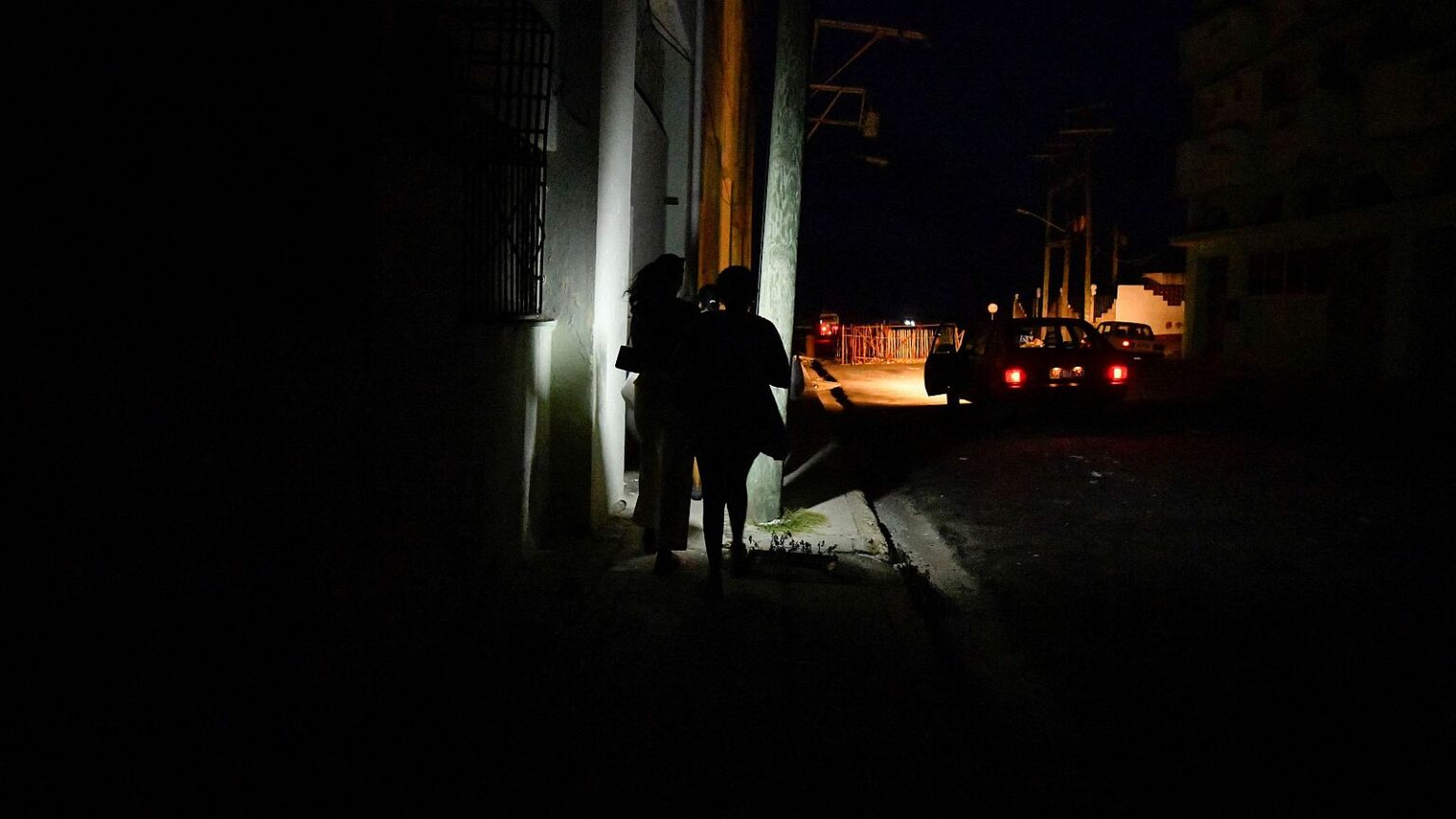

Havana. – Cubans will enjoy barely one or two hours of electricity on average this Tuesday, a day for which the state-owned Electric Union (UNE) estimates that the major blackout will leave nearly 67% of the island without power simultaneously.
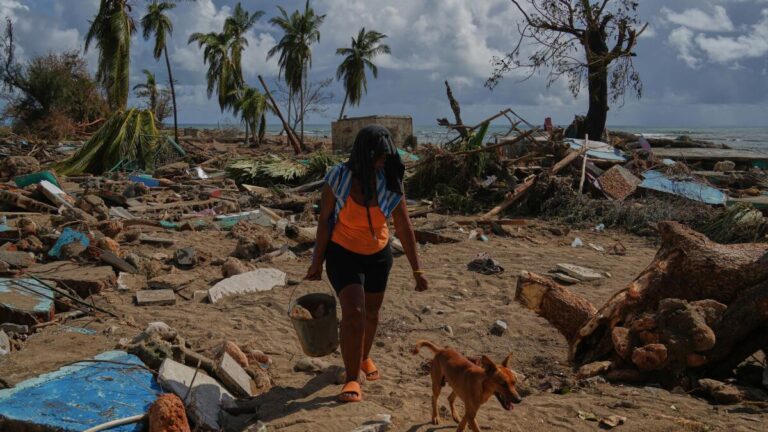
The Caribbean country has been experiencing a deep energy crisis since mid-2024, aggravated since January by the United States oil blockade. Blackouts in Havana exceed 22 hours a day and reach two consecutive days in the rest of the country, paralyzing daily life and the economy.
The UNE, under the Ministry of Energy and Mines (Minem), forecasts for the peak demand period, the evening, a generation capacity of 1,030 megawatts (MW) and a maximum demand of 3,000 MW.
Read more: Cuba will receive 100 tons of humanitarian aid sent from Colombia
The deficit —the difference between supply and demand— will be 1,970 MW and the estimated impact —what will actually be disconnected to avoid disorderly blackouts— will reach 2,000 MW.

The current situation is “critical,” according to the Cuban government, which blames the U.S. exclusively for the crisis, although the reality is more complex.
The lack of fuel derived from the U.S. oil blockade means that generation engines —which use diesel and fuel oil— are almost completely stopped, when this source is responsible for 40% of generation.
But the structural problems of the thermoelectric plants—which are responsible for another 40% of generation and use domestic crude oil—are mainly due to obsolescence, since these plants have been in operation for decades and suffer from a chronic deficit of investment.
In fact, this Tuesday, ten of the 16 thermoelectric generation units are not operational due to breakdowns or maintenance; among them, once again, the Antonio Guiteras power plant, the largest unit in the country, which has accumulated more than a dozen breakdowns so far this year.

The remaining 20% of the energy mix is obtained from gas and renewable sources, especially with the recent boost to solar, with Chinese support and private initiative.
Various independent studies estimate that between 8,000 and 10,000 million dollars would be needed to refloat the Cuban energy system.
The energy situation has worsened the economic crisis that the island has been dragging on for six years and which has caused a contraction of more than 15% of the gross domestic product (GDP) between 2020 and 2025. Forecasts suggest that the economy could fall between 6.5 and 15% this fiscal year.
For days now, pot-banging protests and trash burnings have been taking place in different parts of the country in protest of the serious deterioration of life on the island. These actions, brief and involving a few dozen people each time, have always been peaceful.