

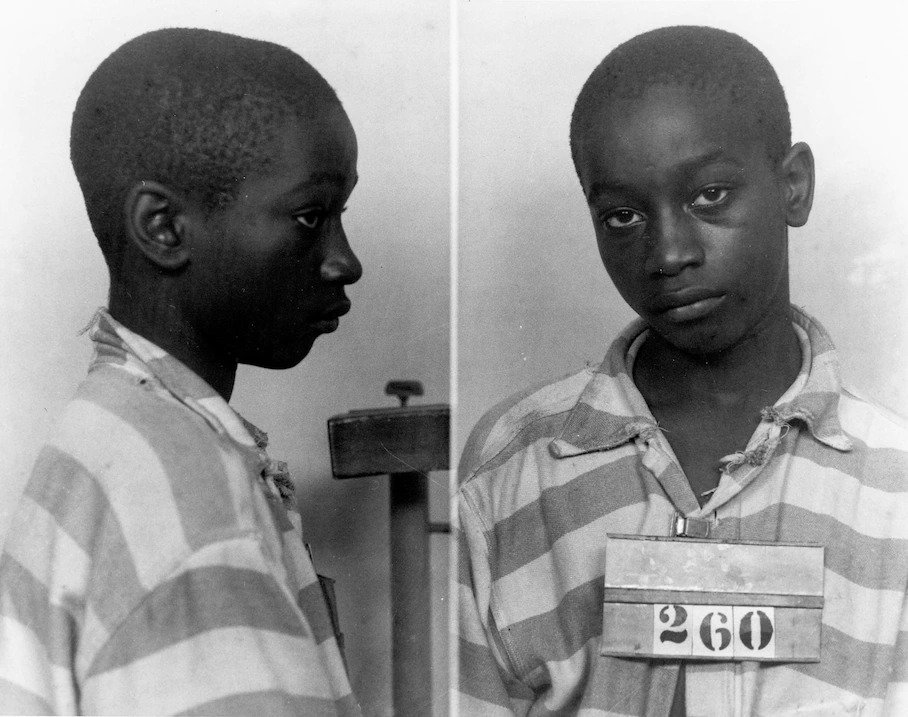

This Monday, June 16th, marks 81 years since George Junius Stinney Jr., an African-American teenager of just 14 years old, was executed in the electric chair in South Carolina, becoming the youngest inmate of the 20th century to be sentenced to death in the United States.


The teenager, who weighed less than 45 kilos, was executed at the South Carolina State Penitentiary. The helmet of the chair was too big for him, and when the current was activated, the electrode came loose due to his size, forcing officials to restart the procedure. George died with a Bible in his hands, not understanding why they were killing him.
Review of the George Stinney Case
His case, which was overturned by the courts in 2014 after decades of complaints of irregularities, remains one of the most painful examples of judicial racism and violation of fundamental rights in American history.
The case was reviewed by Judge Carmen T. Mullen, who concluded that the trial was plagued by “fundamental and constitutional violations” and declared it null. The magistrate harshly criticized the way the police obtained the alleged confession, the passive role of the public defender, and the complete absence of material evidence. In addition, it was learned that George’s sister had stated that her brother was with her at home at the time of the crime, but her testimony was ignored.
The story of George Stinney resurfaced in literature and cinema, becoming a symbol of the fight against racial discrimination. His case has been addressed in the novel Carolina Skeletons, also adapted for television, and has inspired campaigns for the reform of the juvenile justice system and for the review of historical convictions affected by structural racism.Today, as the legality of the death penalty continues to be debated in many U.S. states and racial inequalities in the application of justice are denounced, the name of George Stinney once again gains strength as a reminder of the mistakes that should not be repeated. Human rights organizations insist that his case is an open wound in the country’s history and a warning about the dangers of a system that, at times, punishes poverty and skin color more than verifiable facts.
This June 16th, various entities in South Carolina and African American groups have convened reflection events in memory of Stinney, demanding not only symbolic justice, but a profound reform of the American penal and judicial system.