

Every August 4th, International Clouded Leopard Day is commemorated, a date dedicated to paying tribute to this impressive and enigmatic mammalian species that inhabits the forests of Southeast Asia. More than a celebration, this day represents a call to global awareness regarding the urgency of protecting the clouded leopard (Neofelis nebulosa), both in its natural habitat and in captivity.
This anniversary was established in 2018 in the United Kingdom, on the initiative of Lauren Amos and Dan Kemp, employees of the Howletts Wild Animal Park, in the county of Kent. Its main objective is to educate the public and encourage concrete actions for the conservation of the clouded leopard and the preservation of its habitat, which is seriously threatened by deforestation and human activity.
Since its inception, this day has received the support of charitable organizations, zoos, companies, and citizens, who join the commemorative and outreach activities every year.
Who is the clouded leopard?
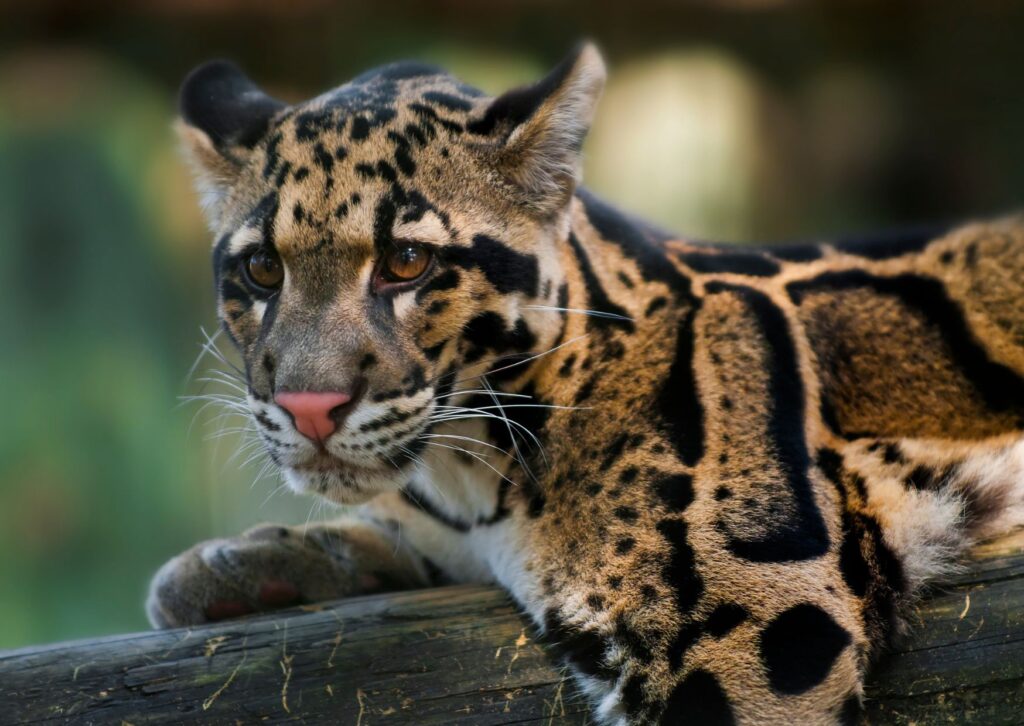
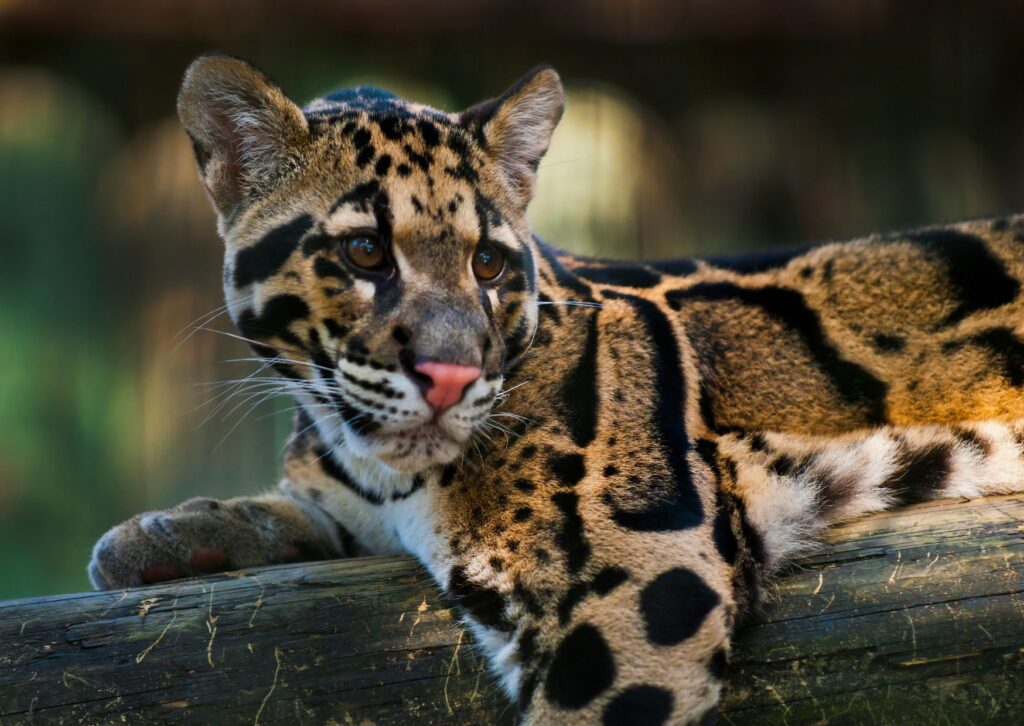
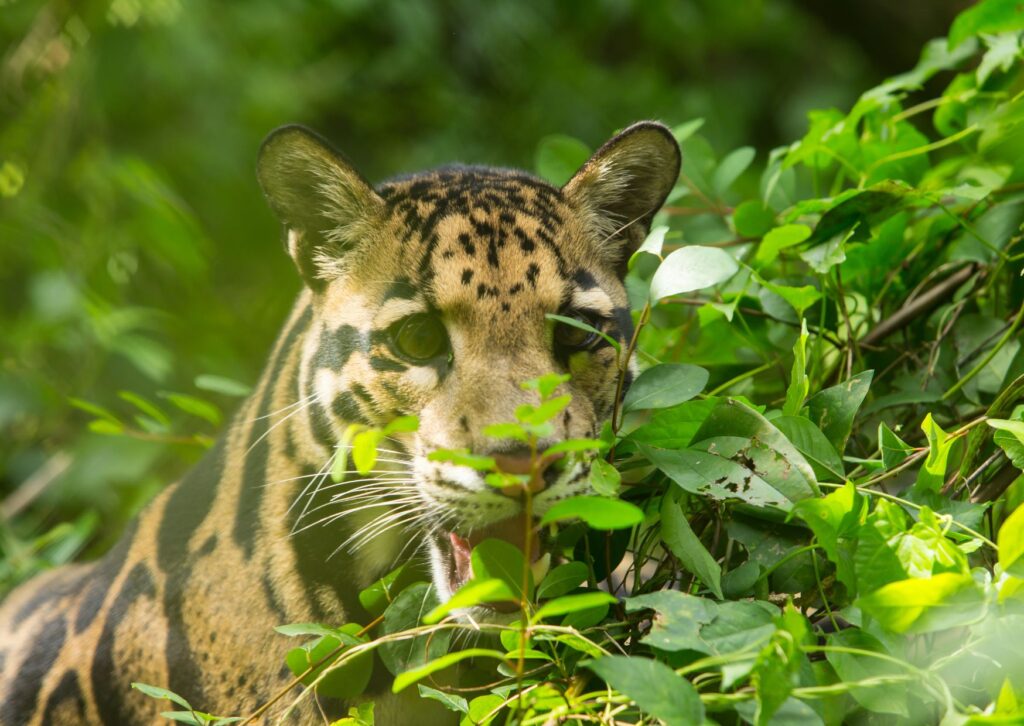
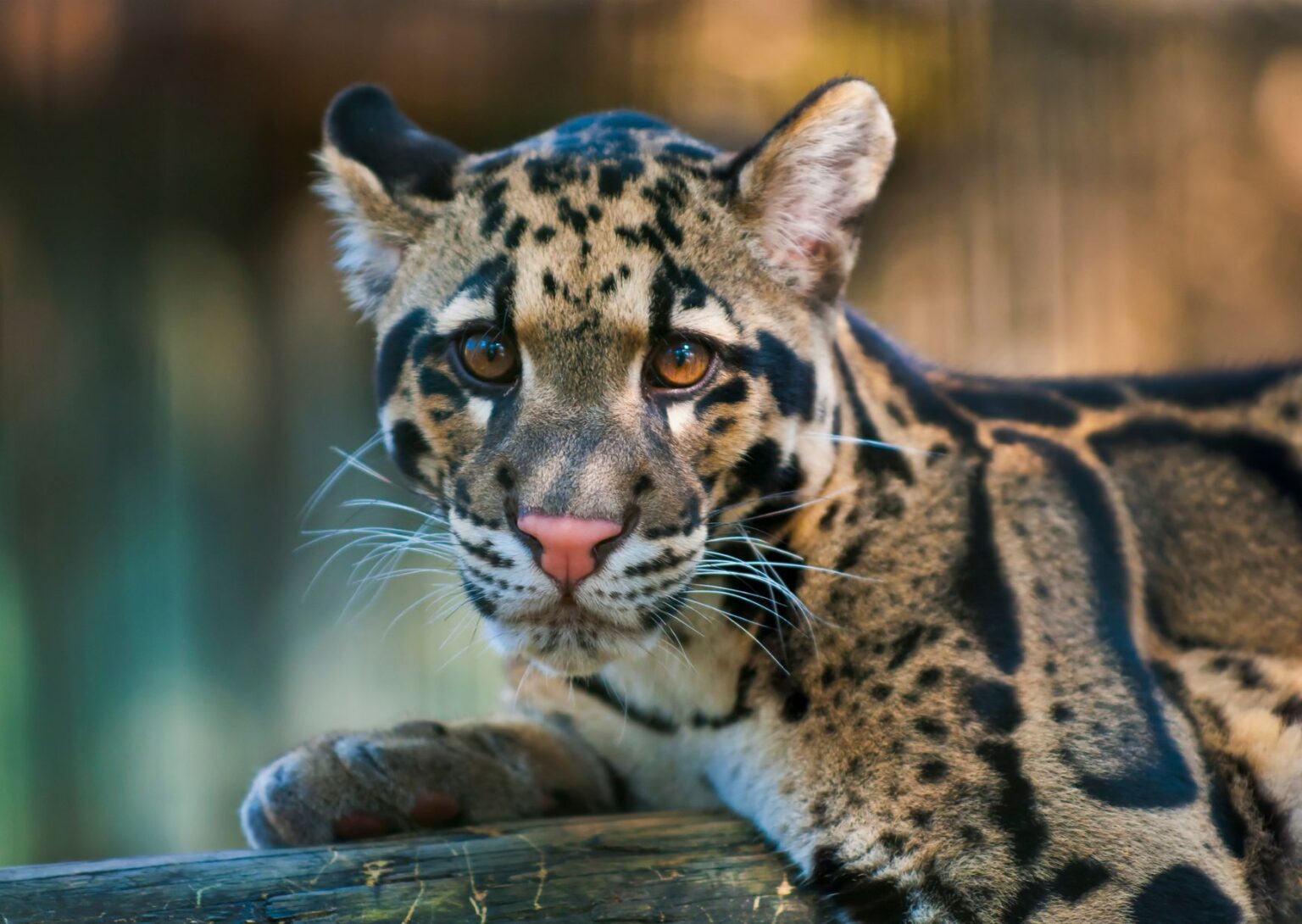
Also known as the clouded leopard or long-tailed leopard, the clouded leopard is a mammalian and nocturnal species, recognized for its agility and beauty. It possesses a distinctive coat, with large irregular spots that camouflage it among the vegetation, and a long tail that allows it to move with dexterity among the tree branches.

Males can weigh up to 65 kg, while females reach 11 kg. They mainly inhabit tropical and subtropical forests in countries such as India, China, Burma, and regions of Southeast Asia, including mountainous areas, swamps, and coastal mangroves.
A vulnerable species that shows signs of hope
For years, the clouded leopard has been classified as an endangered species, due to the loss of its natural habitat caused by indiscriminate logging and human encroachment. However, recent sightings in places like Alangyi village (Taiwan), recorded in 2019, have renewed hope in the possibility of recovering its wild populations.
How is this date celebrated?
Howletts Wild Animal Park leads the celebrations with educational talks, guided tours, and interactive activities aimed at audiences of all ages. Added to this are similar initiatives in zoos across the United States and Asia, where awareness days and conservation programs are also being held.