



Every August 8th, International Female Orgasm Day is celebrated, a date dedicated to raising awareness about female sexuality and women’s right to pleasure. This initiative seeks to demystify the female orgasm and promote sexual education, breaking down taboos and prejudices rooted around the subject.

The celebration has its origins in the small municipality of Esperantina, in Brazil, where it has been commemorated for more than 13 years. The idea arose thanks to the then-councilman José Arimatéia Dantas Lacerda, who, upon becoming interested in a study conducted by the Federal University of Piauí, discovered that 28% of women in the region were unable to reach orgasm.
Lacerda concluded that these results evidenced a serious public health problem, which led him to promote this conference as a way to generate debate, make the situation visible, and foster women’s sexual well-being.
For a long time, female sexuality has been a social taboo. For this reason, many women in Brazil and around the world have never experienced an orgasm during their sexual intercourse.

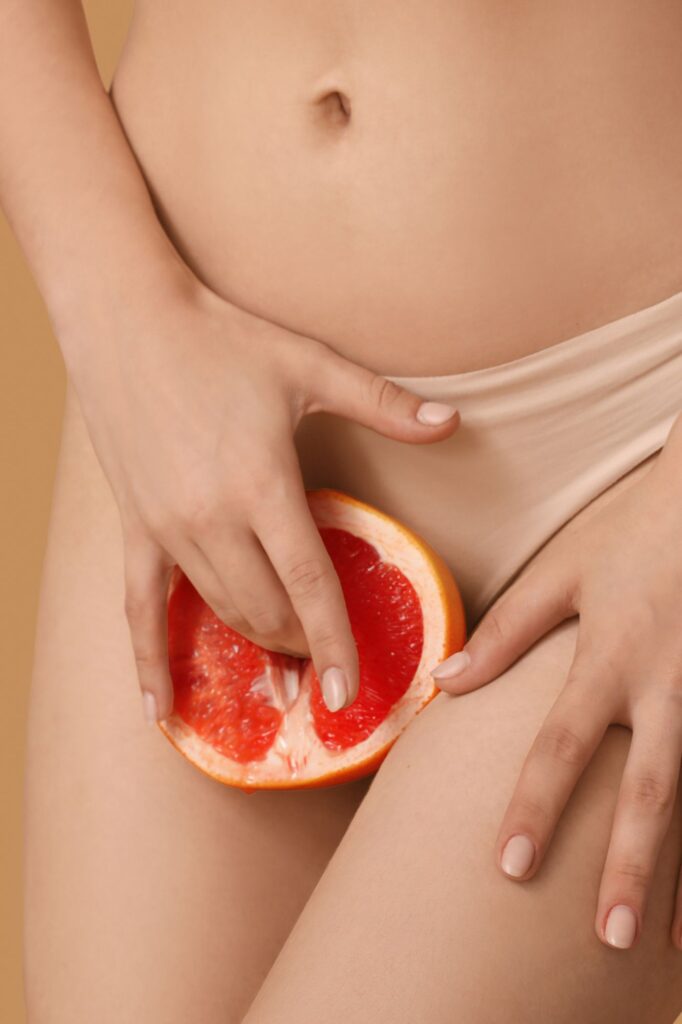
In many cases, this is because the man focuses solely on his own pleasure, forgetting his partner. However, one of the most determining factors is the lack of self-knowledge on the part of women regarding their bodies and what brings them pleasure.
When Councilman Lacerda brought the topic up for discussion, he pointed out that it was very difficult to motivate a woman to fight for her own pleasure, especially when no one has educated her about female sexuality and prejudices persist when addressing topics such as premature ejaculation, frigidity, or pleasure in old age.
Myths and taboos that still surround the female orgasm
Despite advances in sex education and the rise of movements for sexual and reproductive rights, the female orgasm remains a topic shrouded in myths, silences, and prejudices. This misinformation not only limits the pleasure experience of many women but also perpetuates inequality in sexual relationships. Below, we explore some of the most common myths and taboos that still affect the understanding of the female orgasm:
- The female orgasm is more difficult than the male one: This myth is repeated frequently, but it is not entirely true. The reality is that many women have difficulty reaching orgasm not because of a physiological inability, but due to a lack of adequate stimulation, poor sex education, and social pressure.
- Women only reach orgasm through penetration: False. Various studies have shown that the majority of women need direct clitoral stimulation to reach orgasm, and not necessarily through penetration.
- The female orgasm is less important: The idea that a woman’s pleasure is secondary to a man’s is one of the most deeply rooted taboos. This sexist belief has fueled centuries of ignorance regarding female sexuality, rendering their desires and needs invisible.
- “Decent women” should not talk about sex or seek their own pleasure: This cultural taboo has repressed entire generations of women, teaching them that exploring their bodies or talking about their sexuality is a cause for shame or immorality.
- The female orgasm is a sign of promiscuity: Another harmful prejudice is linking female sexual pleasure with “promiscuity.” Women who speak openly about their sex lives or express their desires continue to be judged, which reinforces the idea that a “proper” woman should repress her sexuality.
- Women must depend on their partner to have orgasms: This myth maintains that the female orgasm is the exclusive responsibility of the man, which is false. Self-knowledge and self-exploration (masturbation) are fundamental for a woman to discover what she likes, how she likes it, and to be able to communicate it to her partner.
- The clitoris is an unimportant organ: For centuries, the clitoris was ignored by medicine and science. Today it is known that its sole function is to provide pleasure and that it possesses more than 8,000 nerve endings, more than any other part of the human body. Ignoring its existence or importance has been a historical way of making female pleasure invisible.

Main benefits of the orgasm in women
- Having a healthy sex life and experiencing orgasms regularly can bring multiple benefits to a woman’s physical and mental health. Some studies indicate that it contributes to preventing neurodegenerative diseases such as Alzheimer’s or senile dementia.
- The orgasm is also an excellent natural therapy against migraines and headaches. During the climax, a woman’s pain threshold can increase by up to 107%, which is equivalent to tolerating pain levels comparable to a fracture without noticing it.
- Furthermore, orgasms positively influence mood, raising happiness levels and strengthening personal confidence, as a woman who knows her body feels more empowered and aware of her capabilities.
- Among other benefits, the orgasm helps reduce stress, promotes sleep, improves blood circulation (as it is a form of cardiovascular exercise), beautifies the skin, and generates a general sense of well-being and vitality.
How can you commemorate this day?
Error en la traducción: 503 UNAVAILABLE. {‘error’: {‘code’: 503, ‘message’: ‘The service is currently unavailable.’, ‘status’: ‘UNAVAILABLE’}}But, above all, this day seeks to reinforce female self-esteem and remind us that women have a voice and a vote in all areas of their lives, especially regarding their sexuality and their right to enjoy it freely, without guilt or prejudice.