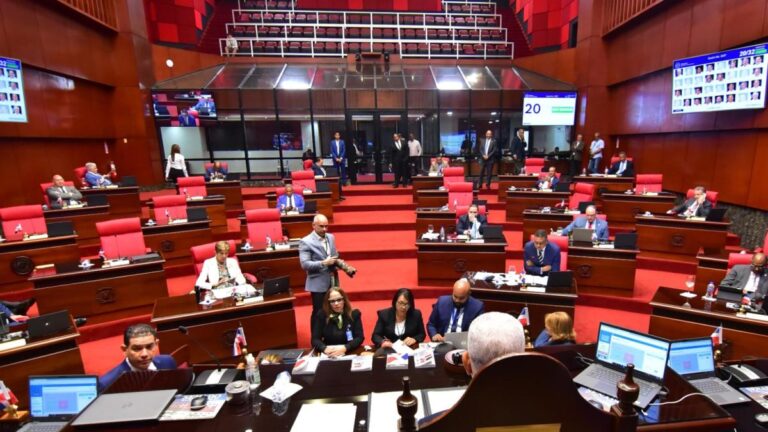

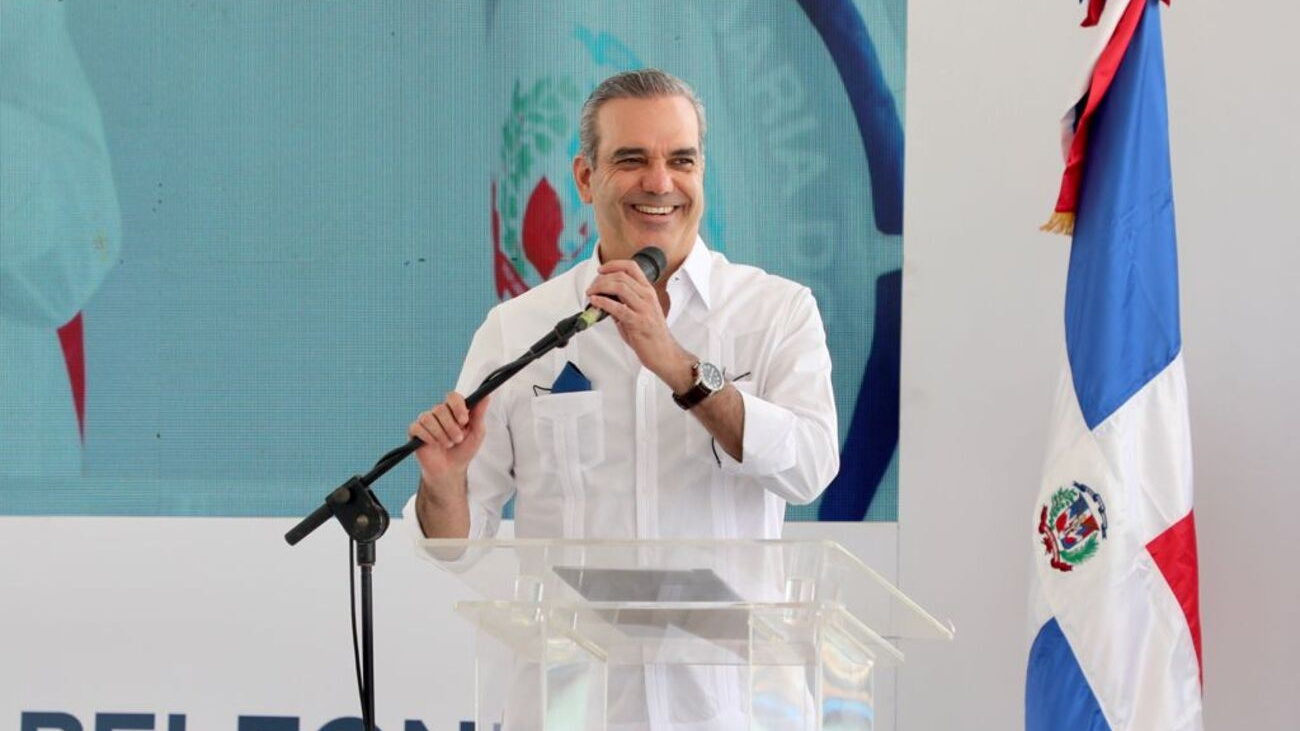

Santo Domingo. President Luis Abinader acknowledged that both the Government and civil society should have begun the discussion on the amendments to the new Penal Code much earlier, considering that some of the aspects that are currently generating controversy could have been addressed before it came into effect.
During an interview granted to the Corripio Communications Group, the president stated that the necessary modifications will be approved before August 3, the date scheduled for the new legislation to come into effect.
“Perhaps both civil society and the Government itself took up the discussion of this law late; we should have started discussing it immediately after it was approved,” Abinader expressed, while admitting that the review of some articles took place late.
The head of State recalled that the Penal Code remained under debate in the National Congress for about 15 years and pointed out that, during that period, the main discussions focused on issues other than those that have currently sparked questions in various sectors.
You can also read:

Abinader explained that, after several weeks of dialogue with representatives from different organizations, the consensus-based modification proposals have already been submitted to the National Congress, with the purpose of them being reviewed and approved before the regulation comes into effect.
However, he highlighted that the new Penal Code also incorporates important advances for the justice system, including the toughening of penalties for crimes linked to administrative corruption, organized crime, and other manifestations of delinquency.
The president indicated that many of the articles that are currently generating debate did not receive significant objections during the legislative process, because public attention was focused on other issues considered more controversial.
During the interview, he also addressed the situation regarding the proposed Law on Expression and Dissemination of Thought, indicating that this initiative was drafted by a commission composed of specialists, communicators, and representatives of the Dominican Newspaper Society.

As explained, the project achieved a broad consensus among the participating sectors, but was subsequently stalled in the National Congress after receiving questions from various groups.
Abinader reiterated that the Government’s objective is to correct the aspects pointed out in both the Penal Code and other legislative initiatives to ensure they respond to the country’s reality, respect fundamental rights, and strengthen the justice system.
“We are going to do it now, before it goes into effect on August 3rd,” the president stated, referring to the pending amendments to the Penal Code.