Santo Domingo.– A few hours before the Penal Code reform bill is to be heard in the Chamber of Deputies session scheduled for this Friday afternoon, legislators maintain conflicting positions on the advisability of approving the piece immediately or extending its study to evaluate pending modifications.
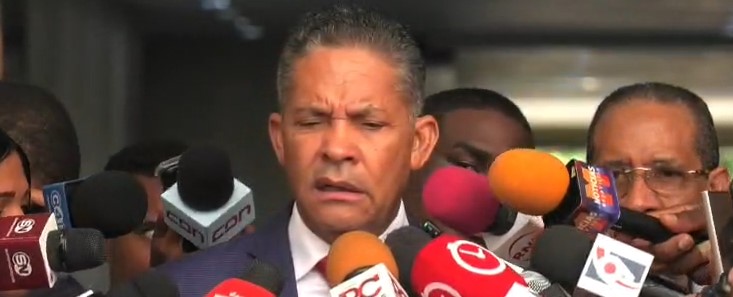
In that sense, Deputy Eugenio Cedeño was one of the first to express his concern regarding the speed with which they are seeking to review the initiative.
The legislator considered that Congress should grant more time for the analysis of the modification proposals presented by different sectors.
Cedeño explained that the special commission has received more than 80 proposals for changes and stated that it is not responsible to attempt to review them within a period of just 48 hours. In his view, Congress must evaluate each proposal before submitting the bill to a vote.

In a different position, Alianza País deputy Pedro Martínez maintained that, although he favors more discussion time to analyze all proposals, including the one related to the three grounds, he acknowledged that the majority of legislators are inclined to continue with the consideration of the bill and move forward with its approval.
More Read

For his part, the spokesperson for the PRM bench, Amado Díaz, assured that the issue of the three grounds is already closed and that the atmosphere in the Chamber of Deputies favors the approval of the Penal Code in the first reading, introducing only some adjustments to the articles that have generated controversy.
We recommend reading: Deputies postpone session to study more than 80 proposals to amend the Penal Code
Díaz maintained that every law is subject to subsequent modifications and stated that, as happens in other countries, the Penal Code can be reviewed and perfected once it enters into force.
The Penal Code reform project is expected to be considered during the session called for this Friday afternoon in the Chamber of Deputies, where legislators will decide whether to move forward with its approval or accept new modifications before continuing the legislative process.