
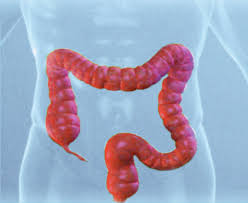

International Desk.– Colorectal cancer, a disease that for years was primarily associated with people over 50, is being detected with increasing frequency in young adults, a trend that is keeping the international medical community on alert.
Recent studies, including research from Stanford University, indicate that this increase is not solely due to more diagnostic testing, but to a real rise in cases across different countries.
The World Health Organization (WHO) warns that colorectal cancer is the third most common type of cancer in the world and the second leading cause of death from this disease, which is why it insists on the importance of prevention and timely diagnosis.
Cases on the rise
Specialists point out that the patient profile has changed in recent decades. While in 1995 only 27% of new diagnoses corresponded to people under 65 years of age, currently that figure reaches 45%.

We recommend reading: Colorectal cancer protects itself from immunotherapy with a double shield, according to a study
Faced with this reality, the United States lowered the recommended age for starting preventive screenings from 50 to 45 in 2021. However, experts point out that the increase among people under that age was already being observed before that change.
Possible causes
Although there is still no definitive explanation, researchers believe that the phenomenon is related to various factors associated with lifestyle and the environment.
These include obesity, a sedentary lifestyle, a diet rich in ultra-processed products and processed meats, low fiber intake, as well as tobacco use and excessive alcohol consumption.
The potential impact of factors such as microplastics, antibiotic use during childhood, pesticides, and alterations of the gut microbiota is also being studied, although there is no conclusive scientific evidence yet.
Warning symptoms
Colorectal cancer often develops without manifestations in its early stages. However, when symptoms do appear, the most frequent ones are rectal bleeding, persistent changes in bowel habits, abdominal pain, unexplained weight loss, fatigue, or anemia.
Doctors warn that, in young patients, these signs are often confused with less serious conditions, which can delay diagnosis.
How to reduce the risk
The WHO and other health organizations recommend adopting healthy habits to reduce the chances of developing the disease.
Among the main recommendations are maintaining a diet rich in fruits, vegetables, and fiber, limiting the consumption of red and processed meats, engaging in regular physical activity, maintaining a healthy weight, avoiding smoking, and moderating alcohol consumption.

Importance of controls
Medical guidelines recommend starting screening tests at age 45 for people at average risk and doing so earlier if there is a family history or other risk factors.
Colonoscopy remains the most effective method for detecting and removing polyps before they evolve into cancer. Additionally, tests such as the fecal immunochemical test allow for the early identification of those who require more specialized studies.
Specialists agree that recognizing symptoms in time and complying with preventive check-ups remains the best strategy to increase the chances of successful treatment and survival.