SANTO DOMINGO. – In recent months, the Dominican Republic has been shaken by cases of mothers who beat, burn, and even kill their own children. Scenes as brutal as they are difficult to understand have highlighted a deep mental health crisis that often goes unnoticed.
What’s behind these behaviors? Undiagnosed disorders? Contained desperation? Or a society that ignores women just when they need support the most? Each case seems to scream the same urgency: it’s time to look beyond the crime and heed the emotional warning signs that precede it.
These questions were the starting point for the report “Mental health in mothers”, presented by journalist Yuleisy Valenzuela on the investigative program Bajo El Foco, an original production of the De Último Minuto platform.
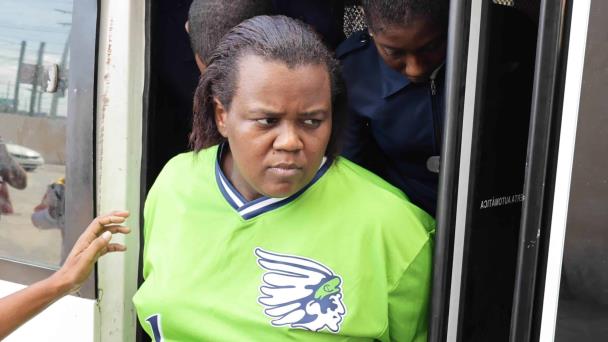
One of the most recent events occurred in the municipal district of Villarpando, Azua province. Carmelina Méndez, known as “Besaida,” was arrested after killing her daughter, who was only three months old. According to the forensic report, the baby had cranial trauma and third-degree burns on her side and right thigh. Neighbors claim that the mother showed obvious signs of mental disorders.
In Miches, El Seibo province, another shocking case had a one-month-old baby as its victim. Angelina Vásquez Sosa, 18 years old, was accused of brutally beating her, causing fractures to her skull and two ribs. The infant’s father, Jonathan Brito, reported having previously warned about the abuse, but no follow-up was ever given. The young woman is in preventive detention for three months.
“These extreme acts don’t come out of nowhere,” says clinical psychologist Angélica García in statements reported by the report. “We have mothers who alone face an enormous economic and emotional burden, added to social inequality and lack of access to mental health. All that can trigger violent behaviors.”
The specialist warns that as long as mental health remains a taboo subject, many women will not seek help for fear of being judged. “We need to implement emotional education programs from schools, guarantee community services, and establish public policies that prioritize mental well-being,” she said.
In 2024, a case that shocked the nation was also documented: Ana Josefa García Cuello, a 44-year-old medical lieutenant, beheaded her six-year-old daughter in her residence. She claimed to have acted under divine command. Authorities found the minor’s head in the bathroom and the body in the kitchen. The aggressor, with training in occupational therapy, had thrown the murder weapon into a nearby field after committing the crime.
“The burden of having a child is not just physical. It’s emotional, psychological, economic. And many women take it on alone, without support networks or access to professionals. That accumulated pressure can explode,” added Garcia.
Dominican Republic has psychiatric care centers such as the Moscoso Puello hospital or Plaza de la Salud, but coverage is limited and does not focus on prevention. Nor are there sustained campaigns that make visible the impact of maternal mental health.
Data from the Ministry of Health indicates that 1 in 5 Dominican adolescents is already a mother or is pregnant, many of them in poverty and without basic emotional education. Maternal violence, moreover, is not always physical: it is also expressed in shouting, negligence, indifference and emotional damage, generating lasting traumas in the children.
“Violence is a cycle,” García emphasized. “The boss yells at the father, the father at the mother, the mother at the child, the child at the pet… and so we continue if we don’t stop the pattern. We must intervene before it’s too late.”