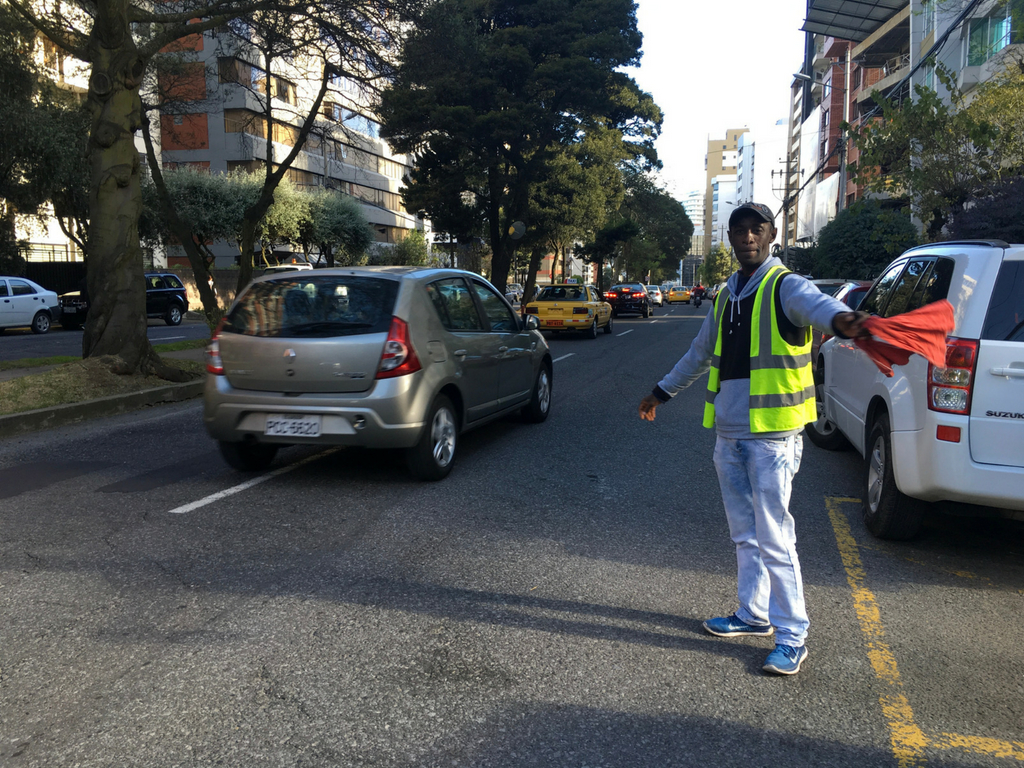
Santo Domingo. – Informal parking attendants, a practice that, although illegal, has been de facto institutionalized on streets, sidewalks, and public spaces of
Greater Santo Domingo, Santiago and other cities in the country. The absence of effective controls and institutional silence have allowed people without any legal endorsement to impose fees, occupy spaces, and even restrict passage in free transit zones.
For deputy
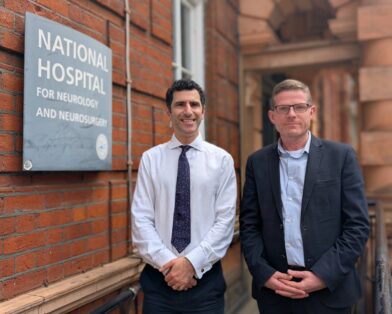
Tobias Crespo, an expert in urban mobility issues, the problem is not the lack of laws, but the inaction of the authorities in charge of enforcing them.
You may be interested in: Owners of the street: The harassment of informal parking attendants in recreational areas
Crespo stated that this action must be regulated by Law 63-17 on Mobility, Law 176-07 on municipalities, and the Organic Law of the National Police, highlighting that it is a direct responsibility of the General Directorate of Traffic and Ground Transportation Safety (DIGESETT), the Public Ministry, and the National Police.
The so-called “car minders,” who usually operate in neighborhoods, commercial areas, plazas, and even in front of state institutions, have appropriated public space with complete freedom. Not only do they demand payments for parking, but they also place cones, chairs, tanks, or chains to “reserve” parking spaces in areas where anyone should be able to park.
“City councils do not have the authority to allow that. Although they have a role in land use planning, they cannot be judge and jury. The legal counterweight is DIGESETT, which must act firmly, but is not doing so,” Crespo stated.
This type of informality generates frequent conflicts between drivers and “parking attendants,” who often respond with threats or even aggression when someone refuses to pay.
Crespo maintains that part of the solution involves the construction of formal, paid public parking lots, which regulate the use of urban land. In that sense, he recalls that the Ministry of Public Works created the ParqueaRD trust, with the promise of building at least 19 parking lots in different areas of the country. “So far, only one has been delivered, in the Colonial Zone. Progress has not been made as promised,” he lamented.
In addition to infrastructure, Crespo warns that a cultural transformation is necessary. “People have to understand that the street does not belong to whoever takes it first. Public space cannot be privatized by force. We must recover the concept of the collective, the legal, the just,” he affirmed.