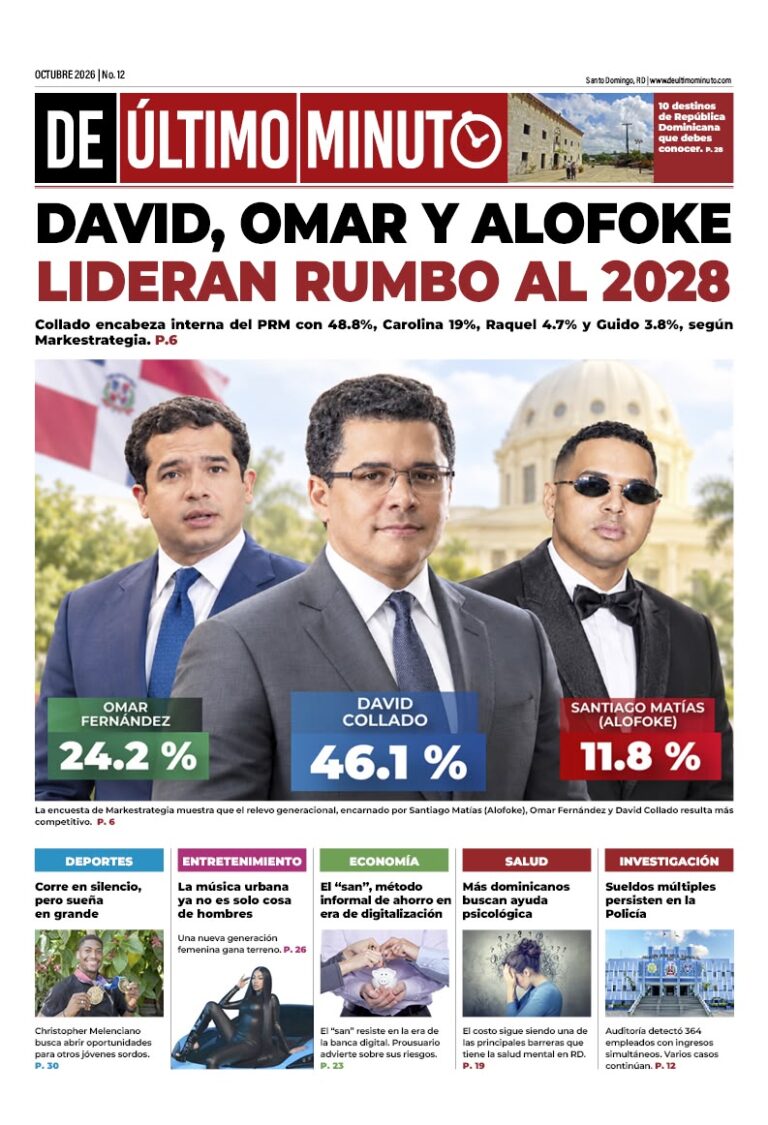



For years, Santiago Matías has managed to build one of the most far-reaching and influential communities in the country and Latin America through media and digital platforms. Now, that audience that has followed his content for years becomes the foundation of a new project called Dominicanos Primero, with which he makes the leap from media to politics and sets his sights on the 2028 elections.
Its main advantage lies precisely in something that many aspirants need years to achieve: being a widely known figure before entering an electoral race.
But turning that influence into votes implies a new challenge. Can a digital community transform itself into a political force with territorial presence and a real capacity to compete?
The phenomenon does not occur in isolation either. During 2026, several countries in the region have shown how social media and figures from spaces outside traditional politics are beginning to occupy an increasingly important place in electoral processes.

A policy close to the people
Dominicanos Primero was born at a time when digital platforms have an increasing presence in political communication.
For lawyer and political scientist Pedro Ledesma Rivera, the phenomenon must also be analyzed from the context of democracy and the relationship between citizens and political parties.
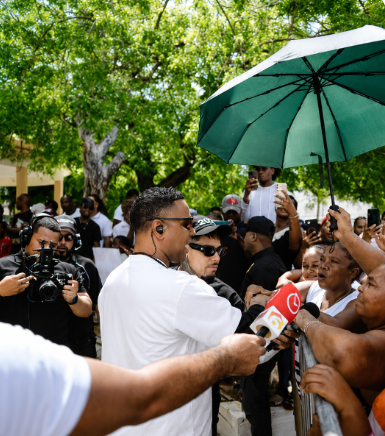
Ledesma considers that Santiago Matías has, like any qualified citizen, the right to aspire to the position he deems appropriate. Furthermore, he points out that his decision to create his own organization can take advantage of a space he identifies in the electoral landscape.

In his view, there is a crisis of credibility and a distancing between a part of the citizenry and traditional political actors, a situation he relates to unfulfilled promises and the perception of influence of certain economic groups over politics.
The political scientist also suggests that the phenomenon should not be viewed solely from the perspective of a potential presidential candidacy. He believes that an organization like Dominicanos Primero could seek representation at other levels, including Congress and city councils.
“Santiago Matías has his civil and political rights that allow him to aspire to the position he deems appropriate,” states the professional.
Biggest advantage of Dominicanos Primero
One of the main assets of Dominicanos Primero is that its central figure does not need to start from scratch to make himself known.

Pedro Ledesma considers that public recognition constitutes an important advantage for anyone aspiring to an elective office.
To explain his point, he cites Donald Trump, who was already a widely known figure before becoming president of the United States.
In the Dominican case, he maintains that Santiago Matías currently possesses that element, whose figure is recognized by broad sectors of the population, “regardless of whether there is agreement or disagreement with him.”
According to Ledesma, that notoriety can facilitate the political construction of Dominicanos Primero and eventually help to achieve representation at different levels. “The first thing is that it has to be a person who is well-known. Santiago has that at this moment and it helps him a lot,” asserts Ledesma.
The argument coincides, from the perspective of political communication, with the assessment of Cristian Cabrera, a journalist and communication consultant who is a member of Senator Omar Fernández’s team.
Cabrera explained that one of the biggest tasks of a political campaign is to make the candidate known and for that recognition to occur for favorable reasons.
In their view, starting with an already built digital community allows for saving part of the time and resources that this process normally requires.
The challenge of converting followers into voters
However, having an audience does not necessarily mean having votes.
Cristian Cabrera makes a clear distinction between both concepts. He explains that a follower establishes a connection with the content and the person who produces it, while a voter takes into account other factors related to their concerns, their reality, and their vision of the future.
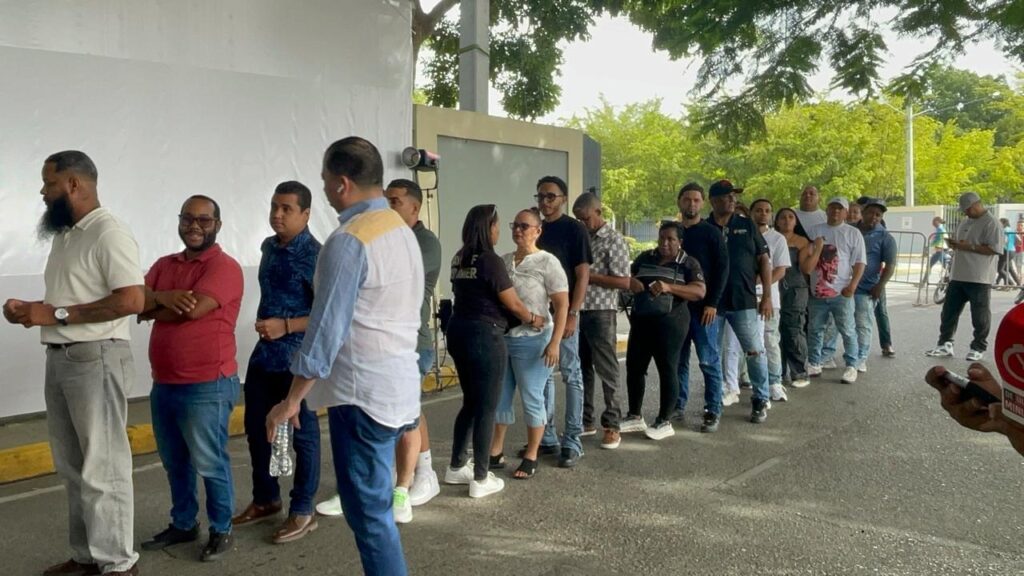
Therefore, for Cabrera, a digital community can be a starting point, but it does not by itself constitute an electoral guarantee.
Pedro Ledesma also identifies the need to convert that sympathy into mobilization.
The political scientist believes that digital platforms can play an important role, but understands that there must be a structure capable of transforming that sympathy into electoral participation.
Ledesma suggests that political behavior is also related to emotional factors and that a team can work with tools such as data analysis to better understand those trends.
For him, the challenge lies in ensuring that sympathy turns into commitment and, ultimately, into electoral action.
You can also read: Dominicanos Primero reaches 7% party favorability
Networks are changing campaigns in the region
What happened in the Dominican Republic has a recent precedent in Colombia.
In the legislative elections of March 8, 2026, several figures from social media and content creation made the leap into politics. Among the cases that managed to reach Congress are Walter Rodríguez, known as “Wally”, Rúa Sánchez, “Elefante Blanco”, and Laura Daniela Beltrán, “Lalis”.
The Colombian experience also left names that did not achieve a seat, but that evidenced the size of this new current. Felipe Saruma, a content creator with millions of followers, competed for Congress; so did Rawdy Reales, Andrés Guerrero, known as “Soy Campesino,” and other figures from the digital world.
The phenomenon was not limited to the legislative elections. During the 2026 Colombian presidential campaign, Abelardo de la Espriella developed a digital strategy based on influencers, viral videos, and artificial intelligence to expand his reach on social media. His campaign was even described as one of the most aggressive in the digital arena against his rival Iván Cepeda.
And there is another piece of data that helps to understand where electoral communication is heading. In Brazil, a Datafolha survey conducted on September 1 and 2, 2026, with 2,002 voters in 125 cities, found that 57% of social media users had seen content related to the elections in the previous weeks.
Among those who were exposed to that content, 61% found it in influencer posts, while 69% saw it on candidate profiles.
Even in the current Brazilian presidential race, another interesting case appears: Augusto Cury, known for his self-help books, emerged as a third-way candidate and reached around 10-11% in recent polls, driven in part by his growing presence on social media.
These cases do not mean that a large digital audience guarantees an electoral victory. What they do show is that social networks have ceased to be just a space for campaigning and are becoming a gateway for figures who were previously outside of traditional politics.
A new way of doing politics?
For Pedro Ledesma, social media already has significant weight in Dominican politics, although it still coexists with television, radio, and traditional media.
The difference with Dominicanos Primero, he points out, is that Santiago Matías does not start from scratch; he already has public recognition, a communication platform, and a digital community.
Therefore, consider that the project could represent a new way of doing politics in the country.
Digital popularity needs territory
But converting followers into votes represents one of the main challenges.
Cristian Cabrera maintains that social networks do not replace the territorial structure of a party and that Dominicanos Primero will have to take its digital influence to the communities.
Pedro Ledesma agrees and suggests that this audience could become a structure capable of competing in congressional and municipal elections.
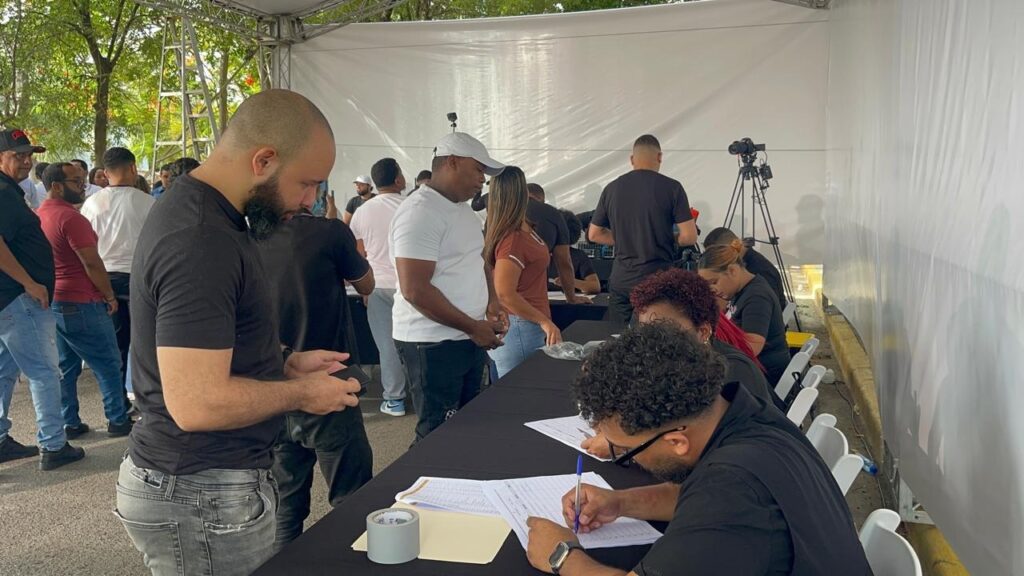
However, Dominicanos Primero has demonstrated on the ground, through the collection of signatures to achieve its recognition, that it possesses the tools and the acceptance of the citizenry.
Progress in signature collection
The growth of Dominicanos Primero is beginning to be reflected in the territory. Hermanas Mirabal reached 181% compliance, with about 1,900 signatures against a goal of 1,000.
The organization’s report shows significant progress in other districts, such as Monseñor Nouel reaching 256%, Santiago 230%, La Altagracia 224%, La Vega 189%, and El Seibo 187%.
San Pedro de Macorís, Monte Cristi, Samaná, Barahona, Pedernales, María Trinidad Sánchez, La Romana, Santiago Rodríguez, Duarte, San Juan, Valverde, Santo Domingo, and Puerto Plata also exceeded their goals.
Meanwhile, Espaillat registers 99% and Peravia 97%, remaining close to completing their respective goals.
These results show that the movement seeks not only to build a community on social media, but also to bring that support to the territory, one of the main challenges identified by specialists looking ahead to 2028.
OPINION
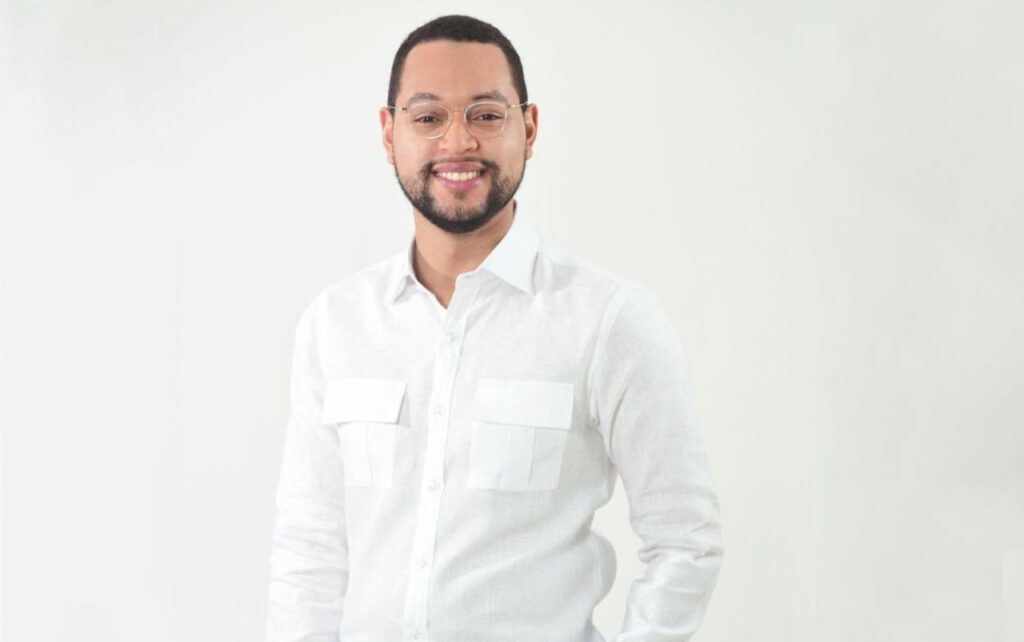
Abogado y politólogo
“Una comunidad
digital puede
ser un punto de
partida, pero no
constituye por sí
sola una garantía
electoral”.
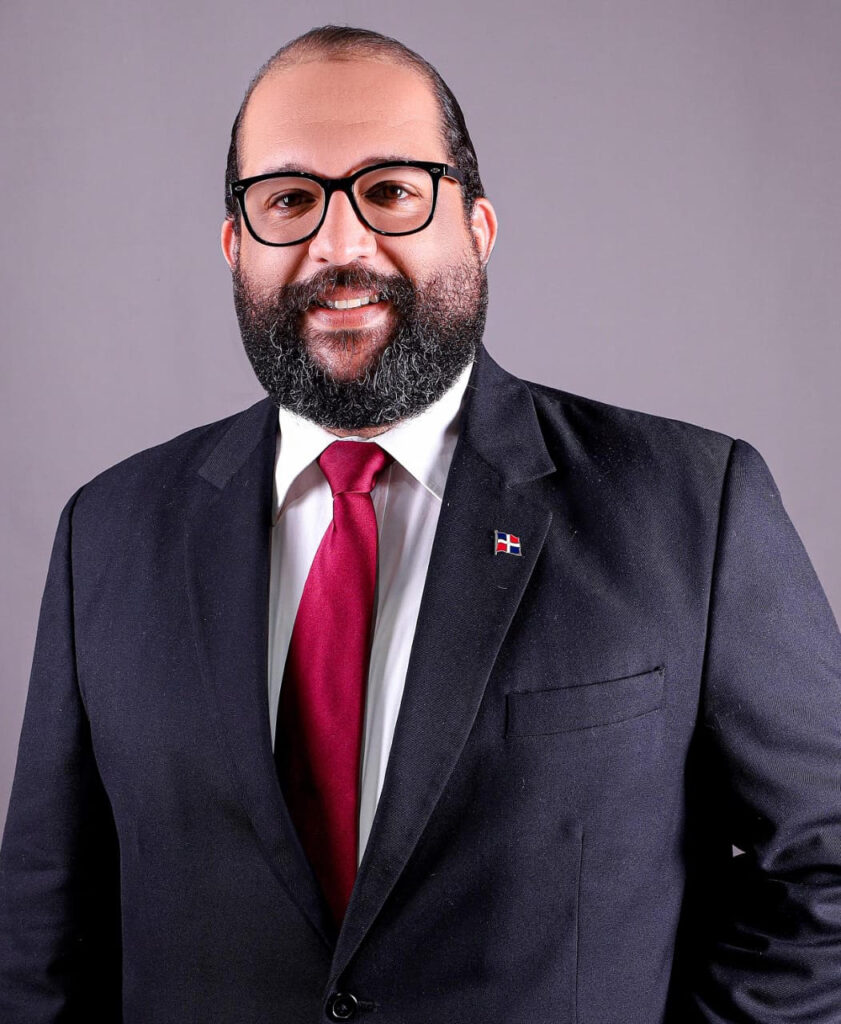
Abogado y politólogo
“Dominicanos
Primero ha
demostrado que
cuenta con las
herramientas y
aceptación de la
ciudadanía”.