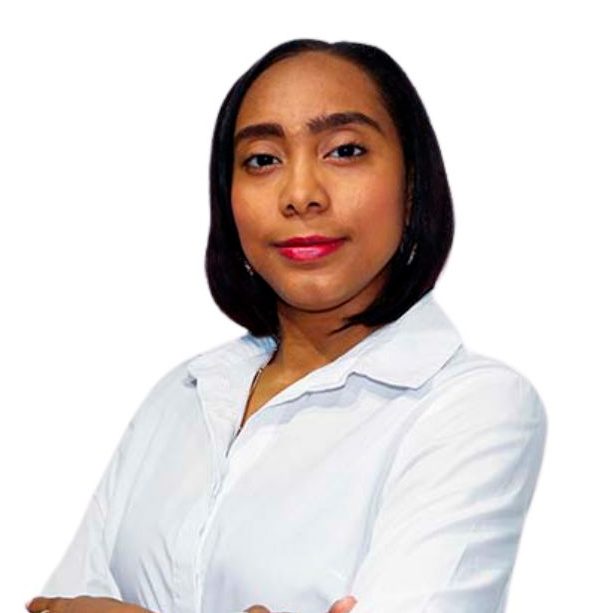

«Without this declaration we would be in a very complicated situation, but it has served to mobilize the global response and slow down the transmission of mpox», states to EFE the doctor Patrick Otim, head of health emergencies of the WHO Regional Office for Africa.
Contents

Main Challenges
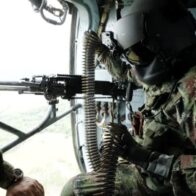
The epidemic has hit four countries particularly hard, which account for 94% of infections: the Democratic Republic of Congo (DRC), Uganda, Burundi, and Sierra Leone. In the DRC, the epicenter of the outbreak, insecurity in the east of the country has been, along with the difficulty of coordinating the response between countries, one of the biggest obstacles to containing mpox on the continent. The escalation of the conflict since January has hampered operations in North Kivu and South Kivu, two of the most affected provinces, and the violence, coupled with simultaneous outbreaks of cholera, dengue fever, and anthrax, as well as humanitarian crises, even forced the closure of treatment centers and caused patients and health personnel to flee.Blow to Funding
Another challenge has been the withdrawal of key donors, such as the United States, which forced a reduction in community interventions such as active case finding, risk communication, community participation, or vaccination.“The United States was our main donor for the mpox response in Burundi, DRC and Uganda, as well as regionally. The loss of that funding eliminated key operational capacities,” explains Otim.
You may be interested in: WHO maintains international emergency for mpox due to the high number of cases
The WHO estimated in April that more than $220 million is needed to cover funding deficits in affected countries. And it is that one of the sectors most affected by the abrupt freezing of funds ordered by the US President, Donald Trump, has been the health sector, the traditional priority destination of US aid. Faced with this reduction in funding – also from several European countries – the AU health agency has urged African governments to increase domestic investment in health, boost “innovative financing” mechanisms such as taxes on imported products, and strengthen the involvement of the private sector.Insufficient Vaccines
Access to vaccines has been “limited and unequal”, as has access to diagnostic tests and treatments, according to Otim. At the end of July, the Africa CDC warned that the continent needs 3.4 million additional doses to curb outbreaks, which would be added to the almost 3.1 million already sent and with which more than 873,000 people have been vaccinated, the majority in the DRC. “The need is there. The vaccine, in terms of availability, is also there, with the producers. What is missing is the funding,” lamented Yap Boum, deputy incident manager of the Africa CDC, during one of the agency’s weekly press conferences, and urged countries to donate more doses from their national reserves, as Spain has done. This lack of funding prevents, for example, the acquisition of 400,000 of the 800,000 doses that the Danish pharmaceutical company Bavarian Nordic has in stock, already reserved for Africa by the United Nations Children’s Fund (Unicef).New risks
At the end of July, the clade IIb variant – until now present in West Africa – was detected in Kinshasa, capital of the DRC, which, according to experts, generates “great concern” and raises doubts about the effectiveness of cross-border surveillance. “Mpox remains a public health emergency of international concern. There will be a slow decline, with cross-border spread to new countries, but not as large as in early 2024,” predicts Otim.Mpox is an infectious disease that can cause painful rash, swollen lymph nodes, fever, headache, muscle aches, backache, and fatigue.“Some countries could enter a more endemic phase if interventions are not intensified,” he adds.